
SHTF Radio: Which Radios Actually Matter When the Grid Goes Down (2026)
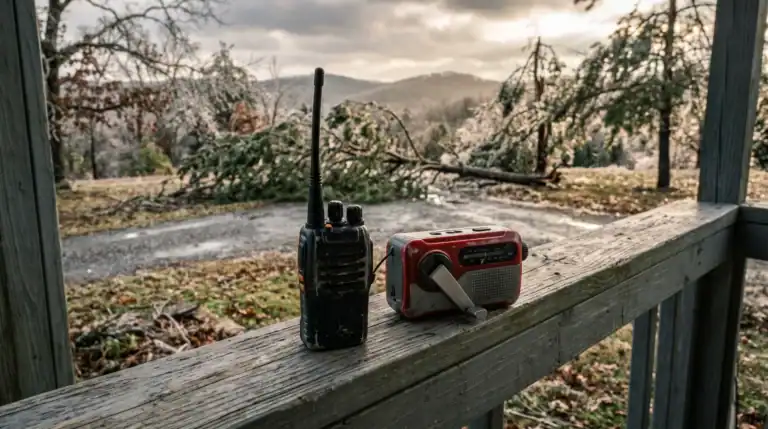
The best SHTF radio for most households listens before it talks. Here's the order to build in: receiver, GMRS, CB, ham, then a text layer.
Preparedness
Practical, no-fear-mongering guides to emergency preparedness — 72-hour kits, bug-out bags, food and water storage, and the skills that actually matter when things go sideways. Built for people who want to be ready, not paranoid.
The best SHTF radio for most households listens before it talks. Here's the order to build in: receiver, GMRS, CB, ham, then a text layer.
All 30 GMRS frequencies on one chart, what the power limits mean for your radio, and the two channels your family should agree on before anyone needs them.
How to build a family emergency communication plan with a backup that doesn't need a cell tower: PACE layers, GMRS licensing and channels, check-ins, meeting places and a comms card.
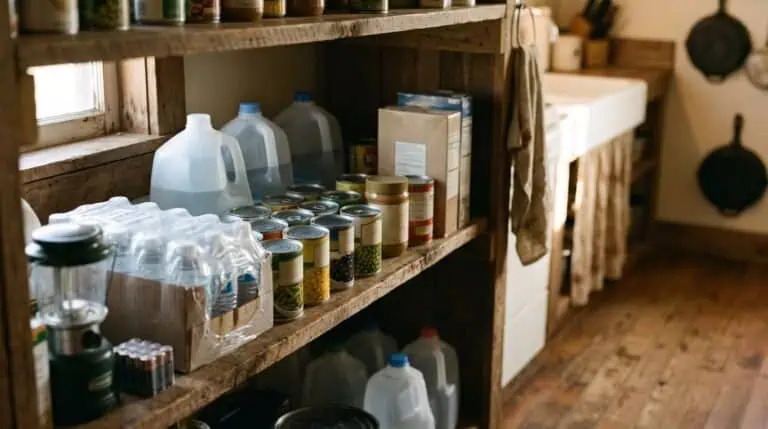
What to stock up on for storms, outages and empty shelves, sorted by preparedness level, with real water and food quantities from Ready.gov and the Red Cross.
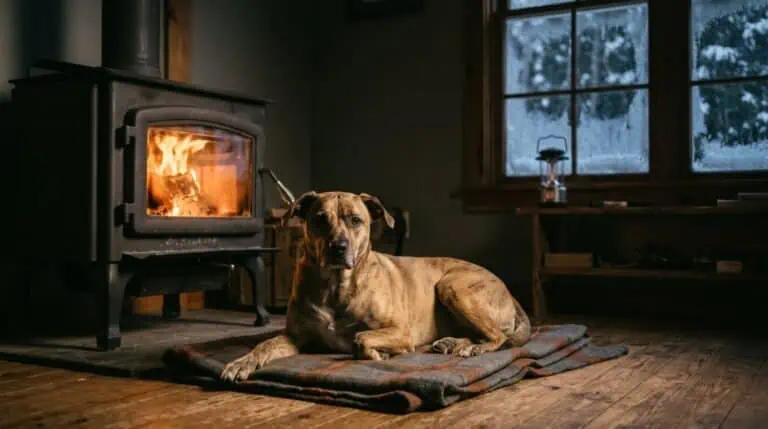
How to build a pet emergency kit for your dog: two weeks of food and water, meds, records, ID and a crate, with water math by weight from CDC guidance.
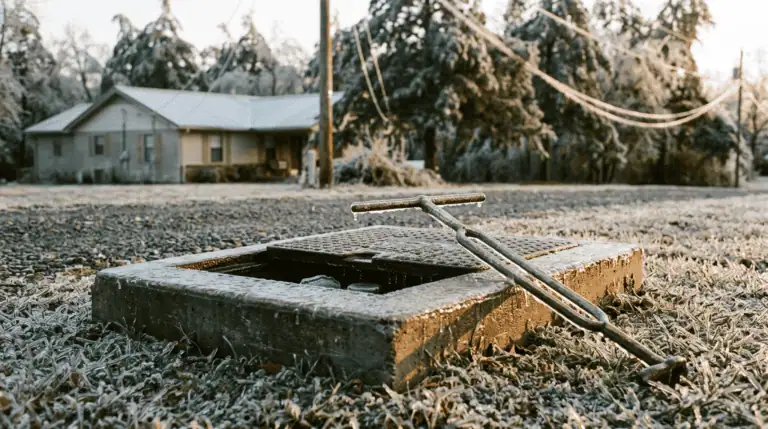
Find your water main, main breaker and gas or propane valve before the storm hits, learn when to shut off utilities, and how to bring them back safely.
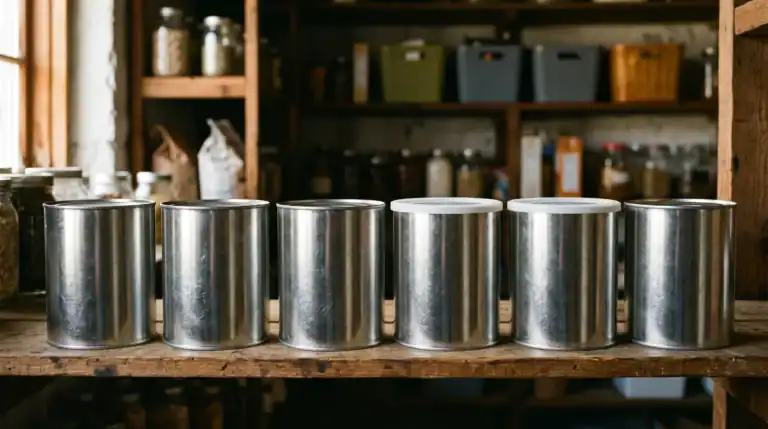
#10 cans are where a two-week pantry turns into real depth. How long they last, what to put in them first, where to store them, and when to toss one.
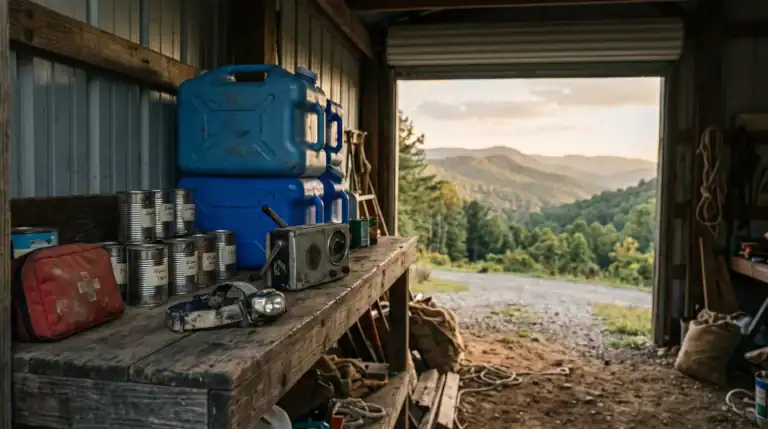
Most households only need three of the five levels of preparedness. Find your level, then take the one next step, starting with what costs almost nothing.
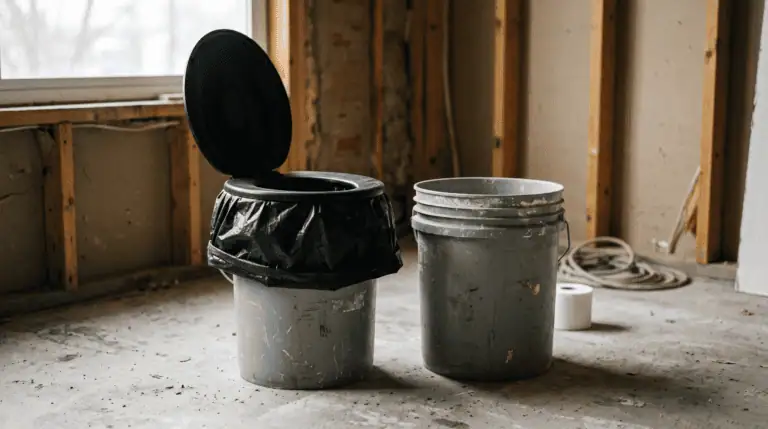
The lights go out and you grab a flashlight. The faucet quits and you crack open the stored water. But when the toilet stops flushing, preparedness gets considerably less glamorous. Emergency sanitation without running water is the part of preparedness…