
Setting up a traditional tent in fading light while rain starts falling is the kind of camping experience that sends beginners running back to hotels. Inflatable tents eliminate this frustration entirely. Instead of wrestling with fiberglass poles and confusing sleeve systems, you roll out your shelter, connect a pump, and watch your tent take shape in minutes.
After researching dozens of models and analyzing real-world performance data, I’ve identified the best inflatable camping tents for beginners heading into 2026. These recommendations prioritize ease of setup, weather protection, and value for new campers who want reliable shelter without a steep learning curve. The best inflatable tent for camping in 2026 depends on your budget, group size, and camping style, so consider these factors when choosing the right model for your needs.
What Are the Best Inflatable Camping Tents for Beginners?
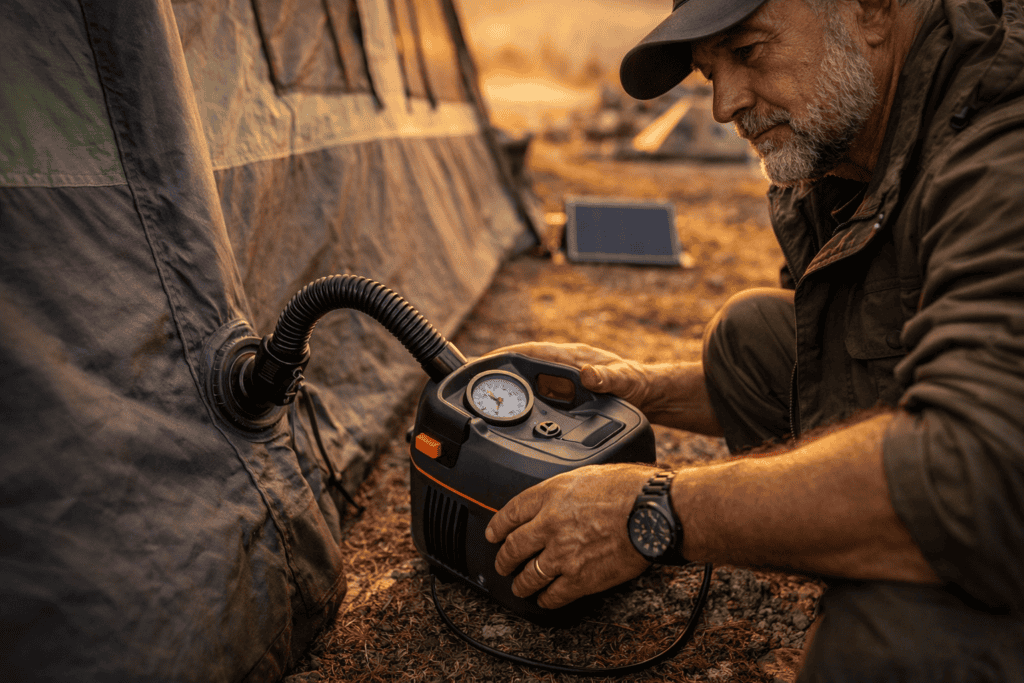
Inflatable tents are perfect for new campers because they remove the most common sources of camping frustration. There are no tent poles to lose, no complex assembly sequences to memorize, and no risk of poles breaking during setup. Most inflatable tents can be pitched by a single person, even in windy conditions. Setup times for inflatable tents typically run from 1 to 5 minutes with a pump, making them especially beginner-friendly.
The following recommendations represent the best options across different budgets, capacities, and camping styles. Each tent was evaluated based on setup simplicity, weather resistance, durability, and overall value for beginners. If you’re looking for a spacious, family-friendly option, consider a large tent—these models are designed for group camping comfort, often featuring multiple bedrooms, ample living space, and high waterproofing ratings.
| Tent Model | Capacity | Price Range | Setup Time | Best For |
|---|---|---|---|---|
| Zempire Aerospeed 6 | 6 person | $400-600 | 5-8 minutes | Budget family camping |
| Coody Familia 13.6 | 6-8 person | $1500-2000 | 8-12 minutes | Family starter tent |
| Heimplanet Cave XL | 3-4 person | $1,100-1,300 | Under 3 minutes | Couples/solo beginners |
| RBM Panda Air Medium | 2-4 person | $800-1,200 | 5-8 minutes | Year-round camping |
| Sonmez Air Bushcraft Premium | 4 person | $900-1,100 | 6-10 minutes | Quality-focused beginners |
| Outwell Colorado 5 Air | 5 person | $900-1,100 | 6-10 minutes | Mid-range family option |
| Coleman Weathermaster XL Air | 6-8 person | $600-800 | 8-12 minutes | Large family groups |
| Quechua Air Seconds | 4-6 person | $300-500 | 4-7 minutes | Budget-conscious starters |
Many inflatable tents in 2026 offer a wide range of features, including multiple air beams for stability, flexible structures that perform well in storms, and panels or windows for natural light and views. Prices for inflatable tents in 2026 range from $700 to $6,800 across various models. Floor space spans from 54 to 185 square feet, and weights range from 12 lbs for ultralight models to 165 lbs for larger tents. This variety ensures there’s an inflatable tent to suit every beginner’s needs and camping style.
Selection criteria focused on features that matter most to beginners: intuitive setup systems, forgiving weather performance, reasonable pack sizes for car camping, and warranties that protect your investment.
Budget-Friendly Beginner Tent: Zempire Aerospeed 6
The Zempire Aerospeed 6 delivers solid performance without straining a new camper’s budget. Priced between $400-600, this family tent offers excellent value for those testing whether camping fits their lifestyle.
Key beginner-friendly features include color-coded air beams that eliminate guesswork during setup, a straightforward single-valve inflation system, and generous floor space that forgives packing mistakes. The tent fabric carries adequate waterproofing for three season camping, and the rain fly provides reliable protection during unexpected showers.
Setup takes approximately 5-8 minutes for first-timers, dropping to under 5 minutes with practice. The package includes a carry bag, repair kit, guy lines, and pegs—everything needed for your first camping trips.
Best Family Starter Tent: Coody Familia 13.6
For families new to camping, the Coody Familia 13.6 provides ample room to learn together without feeling cramped. The multiple sleeping quarters configuration lets parents maintain some separation from children while keeping everyone under one reliable shelter.
Room dividers create distinct interior space zones, which helps with gear storage and sleeping arrangements. The design provides enough usable space that beginners can spread out their camping gear without organization stress.
Weather resistance ratings make this tent suitable for three season camping in most conditions. The learning curve remains manageable—most families complete their first camping setup within 12 minutes, improving significantly by their second trip.
Compact Beginner Option: Heimplanet Cave XL
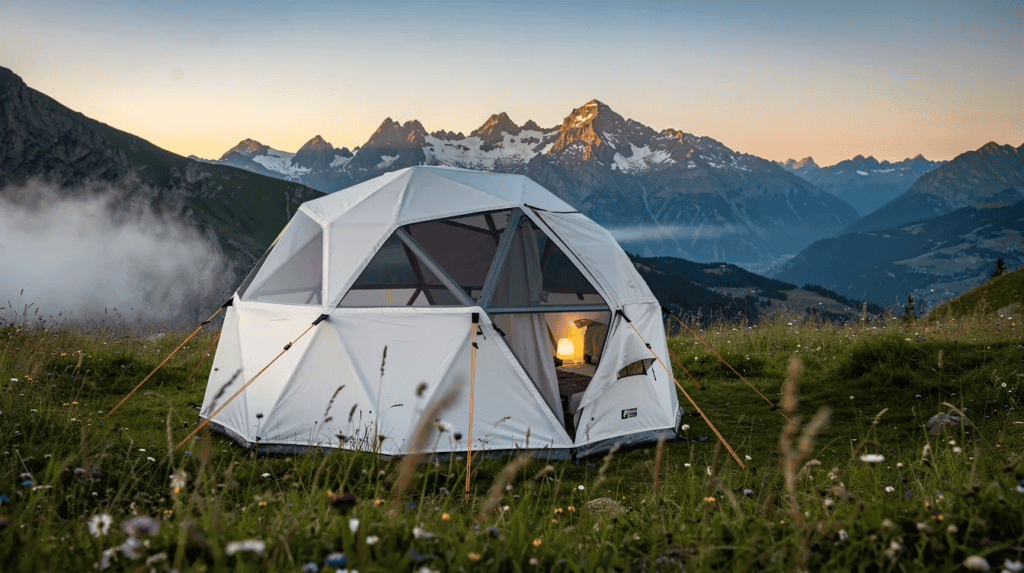
The Heimplanet Cave XL represents the premium end of beginner-friendly inflatable tents, but its innovative design justifies the approximately $1,100-1,300 investment for serious new campers.
The Inflatable Diamond Grid system creates a geodesic structure with ten crossing points, providing exceptional stability that reassures beginners camping in variable conditions. Five separate air chambers mean a single puncture won’t collapse your shelter—the remaining chambers maintain structural integrity.
Setup genuinely takes under one minute once you’ve completed the initial assembly. The One Pump System inflates all air beams through a single valve, eliminating multiple inflation steps that confuse new users.
At roughly 12 pounds with pack dimensions around 51×26×24 cm, this great tent suits car camping while remaining portable enough for shorter hikes to campsites. The 5,000 mm hydrostatic head floor rating and 3,000 mm flysheet rating handle heavy rain without leaking—performance that matches or exceeds most conventional tents.
Four-Season Starter Tent: RBM Panda Air Medium
The RBM Panda Air Medium introduces beginners to year-round camping possibilities through thoughtful design features rarely found at this price point.
The integrated stove jack (approximately 8 cm diameter) allows use of a wood stove inside during cold weather camping—a feature that transforms winter camping from survival challenge to comfortable adventure. This inflatable hot tent capability opens camping season possibilities that traditional ground tents simply cannot match.
Interior space covers approximately 6.6 sq ft (71 sq ft), with seven windows and multiple doors providing ventilation options and natural light during warmer months. The canvas tent body improves insulation compared to standard tent fabric, though it requires proper break-in and maintenance.
For safety, beginners should note this panda inflatable tent performs best above freezing temperatures. The stove jack feature requires learning proper ventilation and carbon monoxide safety practices before use.
Premium Beginner Choice: Sonmez Air Bushcraft Premium
Investing more upfront makes sense when you’re confident camping will become a regular activity. The Sonmez Air Bushcraft Premium provides quality features that benefit new campers immediately while offering long-term growth potential.
Durable materials throughout the construction mean fewer concerns about beginner mistakes causing damage. Reinforced air beams, quality zippers, and thoughtful detail work create a tent that improves the camping experience while teaching good habits.
Setup remains simple despite premium features—the additional cost goes into materials and construction rather than complexity. Most beginners complete setup within 6-10 minutes, and the intuitive design reduces common errors.
What Is an Inflatable Camping Tent with Air Beams
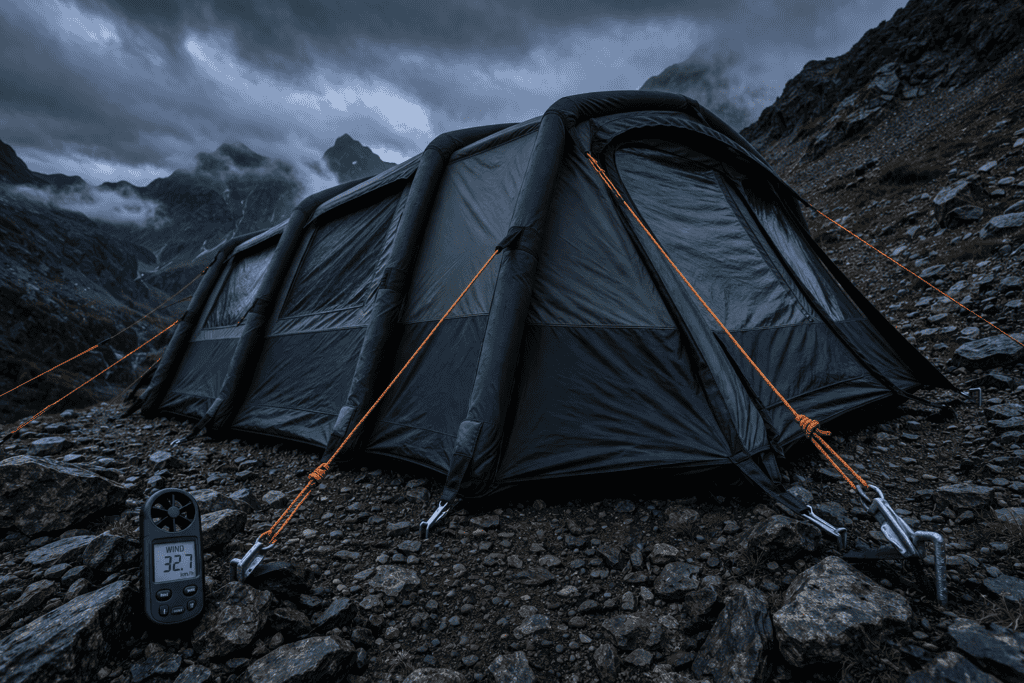
An inflatable camping tent replaces traditional metal or fiberglass poles with air beams—inflatable tubes that provide structural support when pressurized. Instead of threading aluminum poles through sleeves and connecting hub systems, you inflate integrated air tubes using a pump.
Many of the best inflatable camping tents for beginners feature a designated ‘tent inside,’ with internal layouts such as sleeping pods, removable fabrics, or internal dividers to enhance privacy and organization within the main tent structure.
The air beam technology works through a dual-layer construction. An inner bladder (typically TPU material) holds pressurized air while an outer jacket of ripstop polyester protects against abrasion and UV damage. Quality inflatable tents use multi-chamber designs where separate air beams maintain independence—if one chamber fails, others continue supporting the structure.
Air tents are easier for new campers because they eliminate the most error-prone aspects of traditional tent setup. There’s no matching pole sections, no forcing stubborn poles through tight sleeves, and no risk of fiberglass splintering in your hands. The process becomes: unroll, inflate, stake.
Common misconceptions include beliefs that inflatable tents puncture easily (quality construction and multi-chamber safety systems address this), that they’re heavier than pole tents (true for large family tent models, but comparable for smaller sizes), and that air beams can’t handle wind (flexible structures actually bend and recover rather than snapping like rigid poles).
Types of Inflatable Tents for Beginners
Choosing the right inflatable tent starts with understanding the different types available, each designed to suit a specific camping style. For beginners, knowing whether you’ll be car camping with family or heading out on a solo backpacking adventure can make all the difference in your camping experience. Here’s a breakdown of the two main categories of inflatable tents to help you find the best fit for your next outdoor adventure.
Car Camping Inflatable Tents
Car camping inflatable tents are the go-to choice for families and groups who want to maximize comfort and convenience on their camping trips. Unlike traditional pole tents, these air tents are designed with generous floor space, often providing ample room for multiple sleeping quarters, gear storage, and even a small living area. With sizes ranging from four person tents to large models that can accommodate up to 14 people, there’s plenty of usable space for everyone to spread out and relax.
Durable materials like 210D ripstop fabric and high waterproof ratings (typically 3000mm or more) ensure these tents stand up to the rigors of repeated use and unpredictable weather. The Sonmez LONDON MAXIA 480, for example, offers an impressive 185 sq ft of floor space, making it ideal for extended family camping trips where comfort and organization are priorities. These tents are best suited for car camping, as their larger size and heavier weight make them less practical for carrying long distances. If you’re looking for a reliable shelter with ample room for sleeping quarters and gear storage, a car camping inflatable tent is a great tent to start your outdoor journey.
Backpacking Inflatable Tents
For campers who prioritize mobility and simplicity, backpacking inflatable tents offer a lightweight and compact solution without sacrificing protection or comfort. These tents are specifically engineered for solo adventurers or couples who need to carry all their camping gear on their backs. With streamlined designs and efficient use of floor space, backpacking inflatable tents typically feature air beams with a single valve, allowing for quick and easy inflation at the end of a long day on the trail.
Despite their smaller size, these tents are built with durable materials such as TPU bladders and high-quality tent fabric to withstand the elements and provide a reliable shelter. The Heimplanet Cave XL, for instance, weighs just 11.9 lbs and offers 54 sq ft of floor space—enough for a comfortable sleeping area and essential gear storage. When selecting a backpacking inflatable tent, pay close attention to waterproof ratings and the quality of the air beams to ensure a dry and enjoyable camping experience, even in unpredictable weather. For those seeking a hassle-free setup and a lightweight shelter for their next camping trip, backpacking inflatable tents are an excellent choice.
How Can Inflatable Tents Benefit New Campers
Faster setup reduces the frustration that ends many camping careers before they begin. When your first camping experience involves a two-hour battle with confusing pole systems in deteriorating weather, the odds of a second trip drop dramatically. Most inflatable tents go from bag to pitched in under ten minutes.
No lost poles or complex assembly instructions means one less category of things to forget or mess up. Air beams integrate into the tent body, so there’s nothing separate to leave at home or lose in transport.
Single-person setup capability means you don’t need to coordinate with a partner or wait for help. One person can inflate, position, and stake an inflatable tent while others set up other camping gear or watch children.
Inflatable tents are a valuable addition to any beginner’s outdoor gear, offering a combination of convenience, durability, and comfort that makes camping more accessible and enjoyable.
Better wind resistance surprises most beginners. Air beams flex under pressure rather than transferring force to stress points. Where metal poles might bend permanently or fiberglass poles might shatter, air tubes absorb gusts and return to shape. This flexibility provides psychological reassurance during your first windy night in a tent.
Reduced chance of setup errors that could ruin a trip protects the camping experience itself. A poorly assembled pole tent might collapse at 3 AM during rain. A properly inflated air tent remains stable through conditions that challenge experienced campers.
Beginner Setup Guide for Inflatable Tents
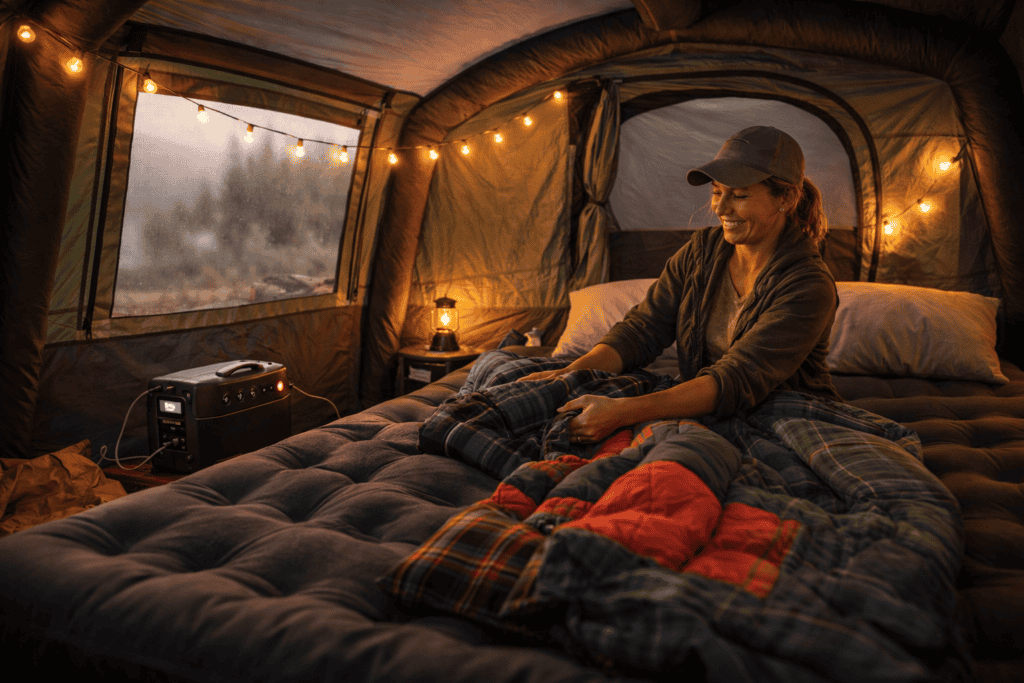
Success with your first inflatable tent requires preparation before your camping trip, methodical setup process, and basic maintenance knowledge.
Pre-Trip Preparation
Checking your tent before heading out prevents campsite surprises. Inflate your tent fully at home and inspect all air beams for leaks. Leave it standing for several hours—any significant pressure loss indicates seal problems requiring attention.
Essential items to pack alongside your inflatable tent include the supplied pump (plus a backup if battery-powered), the repair kit, extra guy lines, and a groundsheet if not integrated. Most air beams require occasional top-ups during extended trips, so keep the pump accessible.
Site selection tips for beginners: choose level ground, clear sharp debris before laying your tent floor, position tent openings away from prevailing wind, and identify natural windbreaks like tree lines or rock formations that provide shelter without dropping branches.
Setting Up Your First Inflatable Tent
Layout and positioning for optimal setup starts with spreading your tent fully and orienting doors and windows appropriately. Connect the rain fly if separate, and arrange guy lines for easy access during inflation.
The inflation process follows straightforward steps for most inflatable tents: locate the valve (usually near the base of the main air beam), attach your pump securely, and inflate until the beam feels firm but not drum-tight. Most manufacturers recommend specific pressure ranges—follow these guidelines to avoid over-inflation damage.
Securing and guying out the tent happens immediately after inflation. Stake all corner points first, then add guy lines for stability. Even in calm conditions, proper guying prevents overnight wind from catching an inadequately secured shelter.
Final checks before moving in include verifying all zippers function, ensuring ventilation panels can open and close, and confirming the tent floor sits flat without pooling areas that might collect water during rain.
Packing Down and Maintenance
Proper deflation techniques protect your tent’s longevity. Open all valves fully and work air out systematically, starting from the end opposite the valves and pressing toward them. Avoid jumping on the tent—this can stress seams and damage air tubes.
Cleaning and drying before storage prevents mold, mildew, and fabric degradation. Brush off dirt and debris, wipe down any mud splashes, and ensure the tent is completely dry before packing into the carry bag. Never store a damp tent.
Basic maintenance tips for longevity include inspecting valves before each trip, treating any small punctures immediately with the repair kit, and storing your tent loosely rather than compressed when possible.
When to seek professional repairs: significant air beam damage, valve failures, or seam separation typically require manufacturer service. Attempting complex repairs without proper equipment often causes additional damage.
Beginner Buying Guide: What to Look For
Size considerations for your camping style depend on your typical group and intended use. A four person tent comfortably sleeps two to three people with gear storage space. Family campers should size up from their actual headcount to ensure comfortable sleeping quarters and room for gear.
Budget planning and value assessment requires realistic expectations. Inflatable tents typically cost more than cheap tents with aluminum poles—expect to spend $400-800 for quality entry-level options and $800-1,500 for premium beginner-friendly models. The investment pays dividends in easier setup and longer lifespan.
Essential features for beginners include multi-chamber air beam construction, hydrostatic head ratings of at least 3,000 mm for the tent floor and 2,500 mm for the flysheet, adequate ventilation to manage condensation, and included repair kit with patches.
Nice-to-have options include integrated groundsheets, blackout bedroom fabric, storage pockets for gear organization, and carrying systems with wheels for larger family tent models.
Seasonal usage and weather ratings matter more than beginners often realize. Three season camping covers spring through fall in most climates. True winter camping requires four-season designs with solid inner walls, higher waterproofing ratings, and snow-load considerations.
Brand reputation and warranty considerations protect your investment. Established brands like Heimplanet offer lifetime support, while budget manufacturers may provide only one-year warranties. For occasional use, quality inflatable tents from reputable brands outlast multiple generations of cheap tents.
Common Beginner Concerns About Inflatable Tents
Puncture fears dominate beginner questions, but reality provides reassurance. Durable inflatable tents use thick outer jackets that resist normal campsite hazards. Multi-chamber designs mean most air beams can lose one section while remaining functional. The included repair kit handles field repairs for minor damage.
Weight and packing size considerations affect car campers less than expected. Most inflatable tents pack larger than comparable pole tents, but the difference matters primarily for backpacking tent applications. For car camping trips, the extra bulk trades favorably against easier setup.
Cost comparison with traditional tents favors inflatable options over time. While upfront prices run higher, the durability of quality inflatable tents—combined with reduced wear from eliminating pole stress—often provides better cost-per-use for casual campers.
Learning curve and skill requirements drop significantly compared to pole tents. Most beginners achieve competent setup by their second or third use. The intuitive nature of “inflate and stake” creates faster mastery than complex pole assemblies.
Long-term durability for occasional use exceeds many beginners’ expectations. Properly maintained inflatable tents last five to ten years with seasonal use. The absence of rigid components eliminates the most common failure points in conventional tents.
Conclusion: Starting Your Camping Journey Right
Inflatable tents remove the primary obstacle between new campers and enjoyable outdoor adventure: setup complexity. When your first experience involves minimal frustration and maximum time enjoying nature, camping becomes an activity you’ll repeat. Some inflatable tents even feature clear roof panels, letting beginners enjoy the night sky and stargazing from the comfort of their shelter.
For budget-conscious beginners, the Zempire Aerospeed 6 or Quechua Air Seconds provide solid entry points without significant financial risk. Family campers benefit from the Coody Familia 13.6’s room configurations and forgiving interior space.
Those ready to invest in quality should consider the Heimplanet Cave XL for its exceptional design and genuine sub-minute setup capability. The RBM Panda Air Medium opens year-round possibilities for adventurous beginners willing to learn cold weather camping skills.
Start with a home practice session, choose your campsite based on beginner-friendly criteria, and trust that your inflatable tent will perform when needed. Your next outdoor adventure awaits—now with a shelter system that works with you rather than against you.
Frequently Asked Questions
Are inflatable tents suitable for complete camping beginners?
Absolutely. Inflatable tents are ideal for complete beginners specifically because they eliminate the most frustrating aspects of camping setup. No pole matching, no sleeve threading, no complex hub connections—just inflate and stake. Most beginners achieve competent setup faster than with traditional pole tents.
How much should I spend on my first inflatable tent?
Plan to spend $400-800 for a quality entry-level inflatable tent that will provide reliable service for years of occasional use. Spending under $300 typically means compromising on weather protection or durability. Premium options ($800-1,500) make sense for beginners confident they’ll camp regularly.
What happens if my tent gets punctured on my first trip?
Quality inflatable tents include repair kits with patches that handle field repairs for minor punctures. Multi-chamber designs mean a single puncture won’t collapse your entire shelter—remaining air beams maintain structural integrity while you complete repairs. Serious damage is rare with proper site preparation.
Do I need special skills to set up an inflatable tent?
No special skills are required. If you can operate a bicycle pump, you can set up an inflatable tent. The process involves unrolling, positioning, inflating through clearly marked valves, and staking—significantly simpler than traditional tent assembly. Practice once at home before your first trip.
Can inflatable tents handle bad weather for new campers?
Yes, quality inflatable tents often handle bad weather better than beginners expect. Air beams flex under wind pressure rather than snapping like rigid metal poles. Waterproofing ratings on premium models match or exceed traditional tents. Choose models rated for your expected conditions.
What accessories do beginners need with their first inflatable tent?
Most inflatable tents include essential accessories: pump, repair kit, guy lines, stakes, and carry bag. Additional useful items include a footprint groundsheet (if not integrated), a backup pump, extra stakes for rocky terrain, and a mallet for driving stakes in hard ground.
How long do inflatable tents last with occasional use?
Properly maintained inflatable tents last five to ten years with seasonal or occasional use. The absence of rigid poles eliminates common failure points, and quality air beams maintain integrity through hundreds of inflation cycles. Follow cleaning and storage guidelines to maximize lifespan.
Should beginners start with small or large inflatable tents?
Start with a tent one size larger than your actual group. A “four person tent” comfortably sleeps two to three people with sleeping bag, sleeping pad, and gear storage space. Larger tents provide forgiveness for packing mistakes and learning how to organize interior space effectively.
Keep Your Skills Sharp
If this tent setup got your wheels turning, don’t stop here. Comfort is nice… but capability is better.
Here are a few field-tested guides to keep building your system:
- 👉 Best Solar Generators for Preppers in 2026 (Real-World Tested)
Because a dead battery turns your “luxury setup” into a dark, expensive cave. - 👉 EcoFlow vs Jackery: Which Solar Generator Should You Trust in an Emergency?
Not all power stations are created equal… some are just better at looking good on Instagram. - 👉 How to Build a 72-Hour Emergency Power Plan That Actually Works
A realistic, no-nonsense plan for keeping your gear running when the grid taps out. - 👉 Ultimate Camping Gear Guide (Field-Tested Essentials for 2026)
If it didn’t survive real conditions, it didn’t make this list.