

Emergency water purification relies on redundancy, meaning you should never trust a single method to keep your drinking supply safe. The biggest mistakes involve relying on expired chemical tablets, building off-grid systems without pre-filtration, and failing to boil questionable water long enough to actually kill pathogens.
At-a-Glance: Water Purification Mistakes
- Chemicals aren’t magic: Tablets require clear water and time to work.
- Pre-filtering is mandatory: Don’t clog your expensive gear with mud.
- Redundancy saves lives: Two is one, and one is none when dysentery is on the line.
After over 20 years of outdoorsmanship and prepping experience, I can confidently tell you that water is the one thing you absolutely cannot afford to get wrong. You can survive a surprising amount of time without food, and shelter can be improvised, but drinking tainted water will put you down fast. It doesn’t matter how much tactical gear you bought online; if your water strategy is flawed, you are just a well-dressed liability in the woods.
Trusting Only Emergency Water Purification Tablets
Dropping a pill into a bottle of murky swamp water does not magically turn it into Evian. While emergency water purification tablets are a fantastic backup to keep in your EDC or bug-out bag, they have serious limitations that most people ignore until it is too late.
First, temperature matters. If the water is near freezing, those chemical reactions slow down significantly, requiring double or triple the contact time to actually neutralize viruses and bacteria. Second, if you don’t pre-filter the heavy particulate matter out of the water first, pathogens can literally hide inside the microscopic chunks of dirt and survive the chemical treatment. Always strain your water through a bandana or a millbank bag before treating it chemically.
Flawed Emergency Water Purification Methods for Preppers
The internet is absolutely choked with terrible survival advice, and some of the worst revolves around DIY water treatment. Many of the common emergency water purification methods for preppers are either completely misunderstood or executed so poorly they become dangerous.
Take boiling, for example. You do not need to aggressively boil water for twenty minutes to make it safe. Once water reaches a rolling boil, the vast majority of pathogens are already dead. A one-minute rolling boil is standard, or three minutes if you are at an altitude above 6,500 feet. Another massive error is the bleach method. Yes, unscented household bleach can purify water in a pinch, but people constantly mess up the ratio (it is generally 8 drops per gallon of clear water) or use old bleach that has degraded into useless saltwater.
Ignoring Off-Grid Emergency Water Purification System Needs
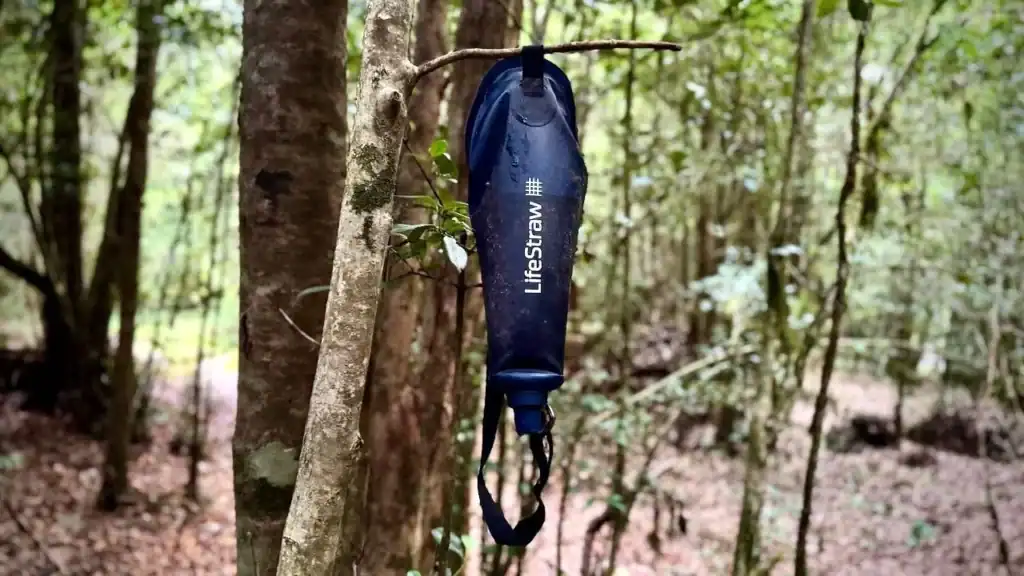
If you are planning to shelter in place or establish a permanent camp, you need more than a pocket filter. However, setting up an off-grid emergency water purification system involves maintenance that people conveniently forget about during the planning phase.
A gravity-fed system or a large-scale ceramic filter is useless if you let the internal elements freeze and crack. Once a ceramic or hollow-fiber filter freezes, its microscopic pores shatter, rendering it completely useless—and you won’t even know it’s broken until you get sick. Furthermore, if you are pulling from a stagnant source, you must incorporate a carbon element to remove heavy metals and agricultural runoff, which standard biological filters simply do not catch.
Build redundancy into your plans. Filter for dirt, treat for pathogens, and always have a backup method when your primary gear inevitably fails. Water you’re treating for hygiene, not drinking, still needs a plan — see emergency sanitation without running water for what that plan looks like.
FAQ: Emergency Water Purification
How long do emergency water purification tablets actually last?
Unopened, most water purification tablets have a shelf life of roughly three to five years, but once that seal is broken, they degrade rapidly. If your iodine or chlorine dioxide tablets have been sitting in a hot car trunk since the last administration, throw them out. Don’t bet your life on expired chemicals; rotate your stock annually.
Can I just drink rainwater during a survival situation?
Yes, but only if you catch it directly from the sky into a sterile container. The moment that rainwater touches a roof, a tarp, or the ground, it picks up whatever bird droppings, chemicals, or parasites are on that surface. If it hits the ground first, you must filter and treat it just like any other questionable water source.
Does boiling water remove chemical pollutants or heavy metals?
Absolutely not. Boiling is strictly for killing biological threats like bacteria, viruses, and parasites. In fact, if you boil water contaminated with heavy metals or agricultural chemicals, you are actually concentrating the toxins as the water evaporates. If you suspect chemical contamination, you must run the water through an activated carbon filter.
Can I use a pocket water filter like a LifeStraw for everything?
No. While pocket filters are excellent for fast, on-the-move hydration from a relatively clean stream, they are terrible for establishing a static camp. They require too much effort to process water for cooking, cleaning, or multiple people, and they offer zero protection against viruses unless specifically rated for them. Use them as a stopgap, not a permanent solution.
