

Are you tired of “waterproof” jackets that act like glorified screen doors the moment a real storm hits? I’ve spent over 20 years camping and backpacking in the bush, dodging hypothermia by the skin of my teeth, and managing a shop in southwest Arkansas where I analyze gear failure like it’s a forensic crime scene. I’ve sat through enough freezing horizontal rain in the Ouachita Mountains to know that if your cold wet survival gear doesn’t respect the laws of thermodynamics, you’re just a cold, wet statistic waiting for a SAR team to find your shivering carcass.
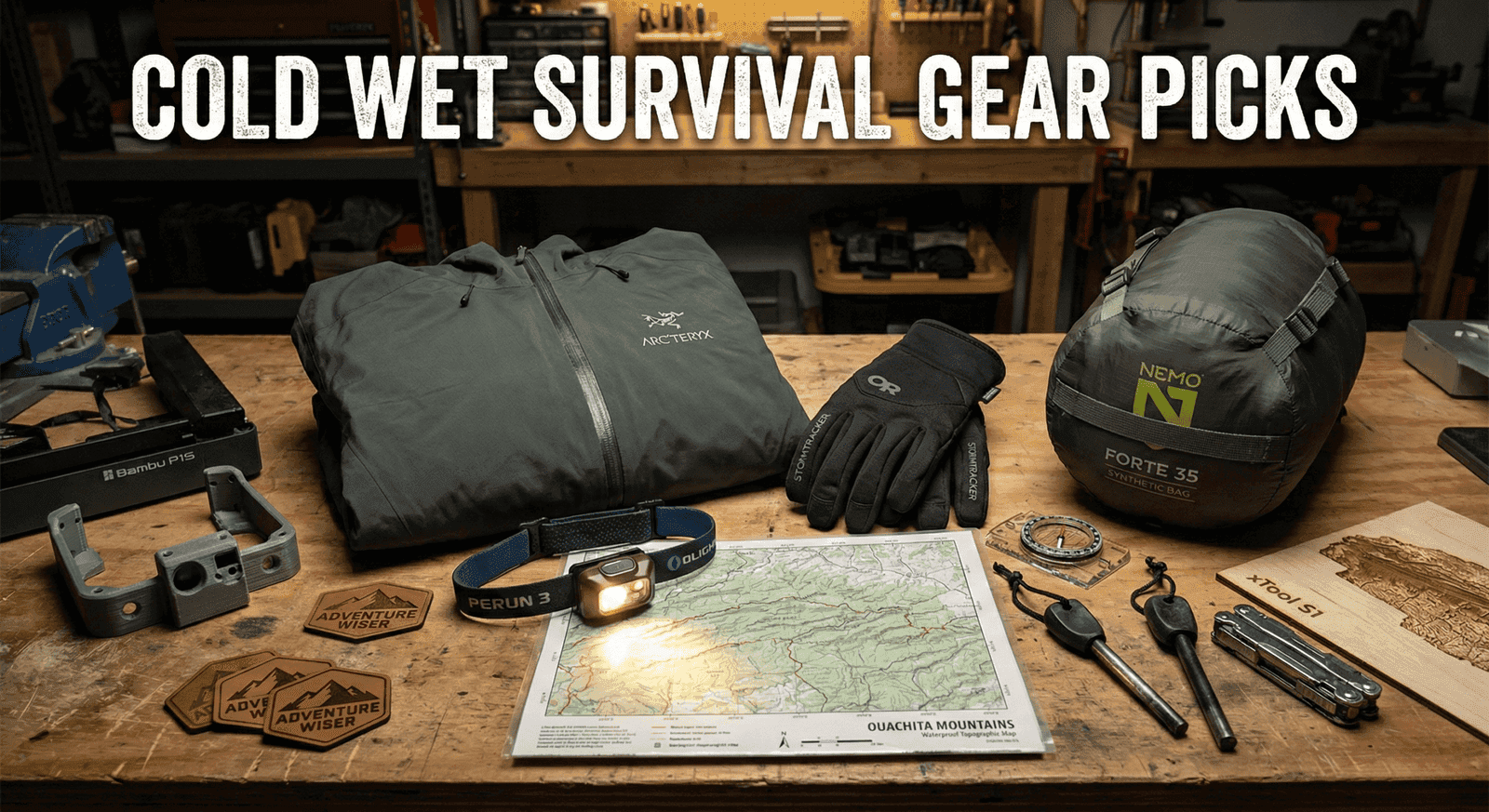
This post cuts through marketing hype and brand misinformation to highlight four essential cold wet survival gear items that truly perform in lethal conditions. With a focus on structural integrity as a critical factor for safety, the author emphasizes the importance of relying on tested gear rather than trendy products promoted by influencers, aiming to prevent frostbite and ensure survival when facing extreme weather.
What Are the Top Cold Wet Survival Gear Picks?
When the sky opens up and the temperature drops to that miserable 33°F (where it’s not quite snow, but it’s cold enough to kill you twice as fast), your kit shouldn’t just be “nice to have”—it needs to be mechanically reliable. I look for gear that survives the “failure stack“: that tipping point where a damp glove leads to numb fingers, which leads to a dropped headlamp, which leads to a very long night of wondering why you didn’t just stay in bed with a hot coffee.
I’ve seen cold wet survival gear fail in more ways than a cheap 3D printer, and it’s usually because people prioritize “features” like extra pockets over “fundamentals” like seam sealing. If your cold wet survival gear can’t handle being dragged through a briar patch and then soaked for six hours, it belongs in the dumpster. I’ve refined my personal kit through decades of “learning the hard way,” and below is the shortlist of what survived my vetting process.
| Brand | Arc’teryx Beta AR | Outdoor Research Stormtracker | Olight Perun 3 | NEMO Forte 35 |
| Category | Hardshell Jacket | Gore-Tex Gloves | Headlamp | Sleeping Bag |
| Material | Gore-Tex Pro 3L | Windstopper Tech | Aluminum / IPX8 | Primaloft Synthetic |
| Durability | DurabilityExceptional | Durability | Durability | Durability |
| Weight | 16.2 oz | 4.1 oz | 5.3 oz | 2 lbs 2 oz |
1. Arc’teryx Beta AR
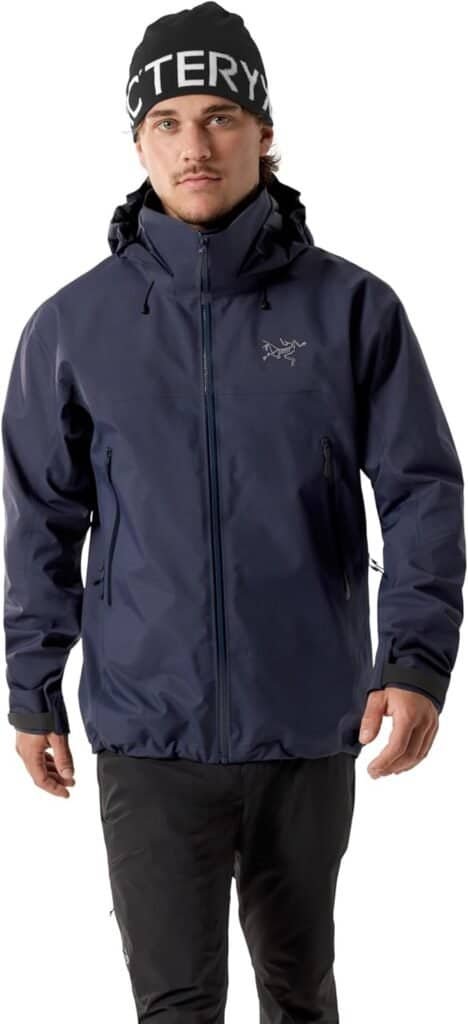
If you want a shell that treats a torrential downpour like a minor inconvenience, this is the gold standard for cold wet survival gear. I’ve worn this while tracking through terrain that would turn a lesser jacket into a heavy, sodden rag within twenty minutes. It uses 3-layer Gore-Tex Pro, which isn’t a “coating”—it’s a structural barrier. When I’m out there, I need a jacket that respects the physics of heat loss.
Key Benefits
- Gore-Tex Pro 3L: This is the highest tier of waterproofing available. It uses a dense ePTFE membrane that prevents water molecules from entering while allowing sweat vapor to escape—essential cold wet survival gear for high-output movement.
- DropHood Design: I love this because it keeps the collar separate from the hood. My neck stays protected from the wind even when I don’t need the hood up.
- 80D/100D Face Fabric: Most “ultralight” gear is made of tissue paper. This is reinforced in the shoulders and arms to handle the literal thorns in my side.
Pricing
Expect to pay around $600.00. Yes, it’s expensive. No, your life isn’t worth saving two hundred bucks on a generic shell that will delaminate in six months.
Pros & Cons
- Pros: Bulletproof reliability; arguably the best hood architecture in the industry; the most honest piece of cold wet survival gear I own.
- Cons: It is loud. You’ll sound like you’re walking inside a bag of Sun Chips. Also, the price tag can cause physical pain to your wallet.
2. Outdoor Research Stormtracker Sensor
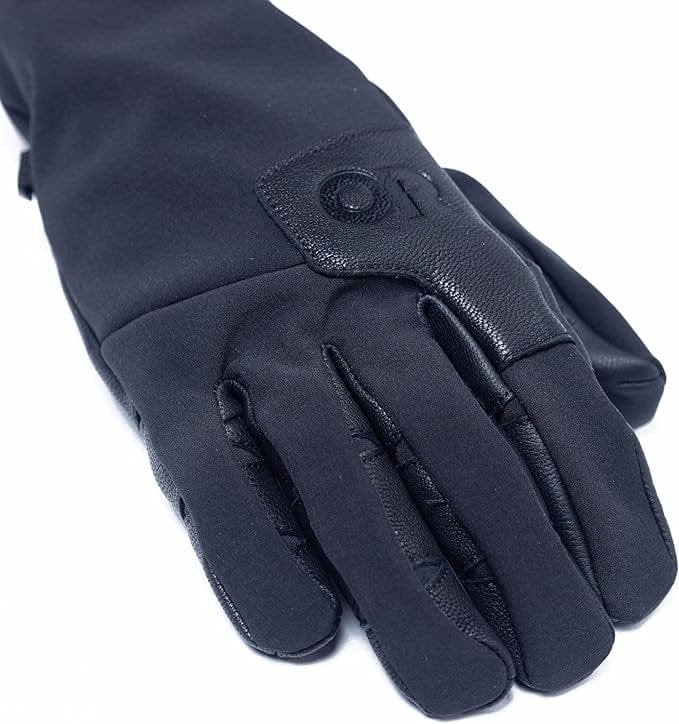
Dexterity is a survival requirement, not a suggestion. If you can’t strike a match or operate your compass because your gloves are soaked sponges, your cold wet survival gear has failed you, and you’re officially in trouble. I use these because they find the “sweet spot” between keeping me warm and letting me actually use my fingers for things other than pointing at how miserable I am.
Key Benefits
- Gore-Tex Windstopper: 100% windproof. This stops the convective heat loss that happens when cold air moves across damp skin.
- GORE-TEX Labs Technology: Specifically designed for high-dexterity tasks. I can still manipulate a GPS or a National Weather Service emergency radio with these on.
- Leather Palms: Provides the grip and durability needed for handling wet wood or scrambling over slick Ouachita rocks.
Pricing
Typically retails for $75.00 – $85.00.
Pros & Cons
- Pros: Incredible dexterity for cold wet survival gear; they breathe well enough that my hands don’t get clammy from sweat.
- Cons: They are water-resistant, not “submersible.” If you dunk your hand in a creek to grab a trout, you’re going to have a bad time.
3. Olight Perun 3
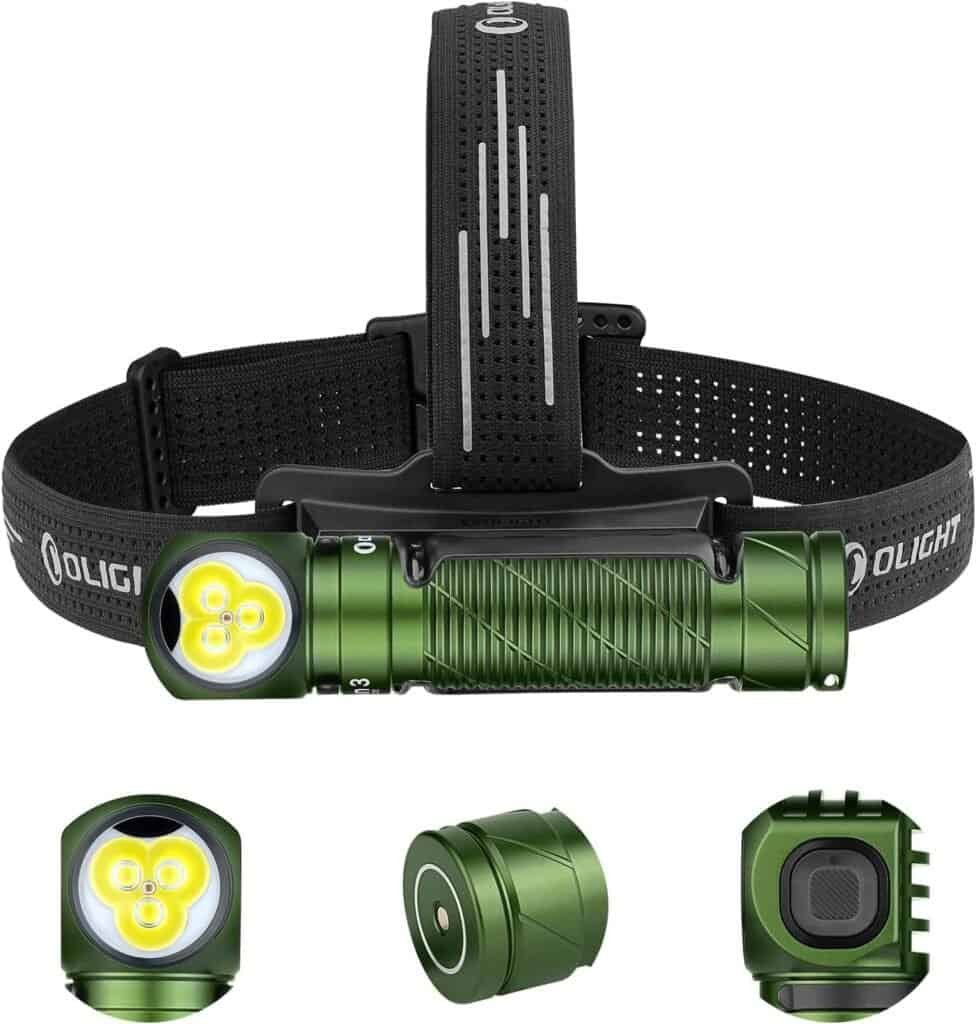
Light is life, and in a cold wet survival gear scenario, I need a light that won’t quit because it got dropped in a puddle or because the temperature hit freezing. This headlamp is built with the same level of over-engineering I put into my workshop projects. It’s an aluminum tank that happens to throw 1200 lumens of “get me home” light.
Key Benefits
- IPX8 Waterproof: It can stay submerged for 30 minutes at 2 meters. If you’re underwater longer than that, you have bigger problems than your headlamp.
- Magnetic Charging: No tiny USB ports to get filled with mud or fail when the pins get bent in the dark.
- Dual-Purpose Design: It pops out of the headband to be a right-angle flashlight, which I find incredibly useful for checking my cold wet survival gear or looking for sign on the ground.
Pricing
Available for approximately $65.00 – $75.00.
Pros & Cons
- Pros: Extremely versatile; the magnetic base is a lifesaver when I’m fixing something in the shop or under a vehicle hood in the rain.
- Cons: The proprietary charging cable is one more thing I have to keep track of, which annoys me to no end.
4. NEMO Forte 35 Endless Promise
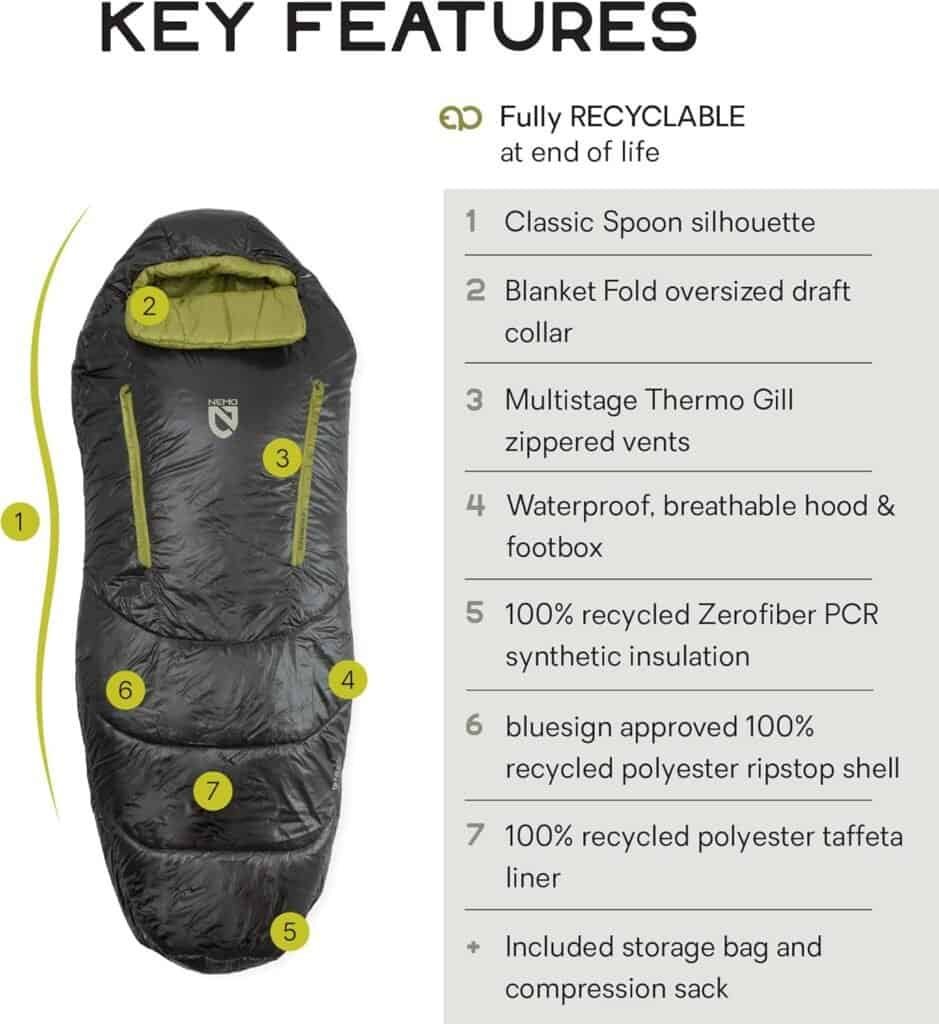
When your shelter fails and you’re sleeping in a damp bivy, down insulation is your worst enemy. It clumps up, loses its loft, and becomes a heavy, wet blanket of regret. This is the cold wet survival gear champion for humid, soggy nights because it uses synthetic Primaloft that maintains its structure even when it’s objectively wet. I’ve spent enough nights shivering in damp down bags to know that synthetic is the only choice for “what if” scenarios.
Key Benefits
- Primaloft Rise Insulation: It mimics the loft of down but doesn’t quit when the humidity hits 100%. It stays warm when damp—the ultimate goal of cold wet survival gear.
- Thermo Gills: These are basically zippers that let you vent body heat without letting in a draft. It’s genius.
- Spoon Shape: I’m a side sleeper, and mummy bags feel like a straightjacket to me. This gives me room to actually move.
Pricing
Generally priced at $180.00 – $210.00.
Pros & Cons
- Pros: Exceptional performance as cold wet survival gear; it’s one of the few bags I trust when I know I’m going to be damp for 48 hours.
- Cons: It’s bulkier than down. You’ll need a bigger compression sack and a bit more patience when packing.
What Is Cold Wet Survival Gear?
At its core, cold wet survival gear is a mechanical system designed to manage moisture and maintain your core body temperature against the laws of physics. It’s the difference between a “bad day” and a “last day.” In the wilderness, moisture is the primary killer—it’s not the bears, it’s the rain. Whether it’s rain falling from the sky or sweat coming from your own skin, being wet in the cold saps your energy 25 times faster than being dry. This is due to the thermal conductivity of water being much higher than that of air.
True cold wet survival gear focuses on breathable waterproofing (like ePTFE membranes) and synthetic insulation that doesn’t collapse under hydraulic pressure. I don’t care how “comfy” it feels in the store; I care how it performs when it’s at 50% saturation and the sun is going down. To understand the complexity of these materials, I often look at technical breakdowns from SectionHiker, where they get into the weeds of hydrostatic head and vapor transmission rates just as much as I do.
When we talk about cold wet survival gear, we are talking about a “system.” You can’t just buy a nice jacket and wear a cotton t-shirt underneath. Cotton is “death cloth” in the woods because it absorbs water and holds it against your skin. You need a base layer that wicks, a mid-layer that traps air, and a shell that keeps the outside world outside. If any part of that chain breaks, your cold wet survival gear is just expensive weight you’re lugging around.
How Can Cold Wet Survival Gear Benefit You?
Investing in high-quality cold wet survival gear buys you the most valuable resource in a crisis: time. It extends your “functional window”—the amount of time you can think clearly, navigate properly, and act decisively before hypothermia starts making your choices for you. Trust me, hypothermia is a terrible decision-maker. It’ll have you taking off your clothes (paradoxical undressing) because you “feel hot” while your core temp is actually tanking.
For me, as a professional tracker, it means I can stay on a sign longer without worrying about my hands turning into meat clubs or my shell wetting out. It turns a potential survival situation into just another camping trip with some character-building weather. Good gear reduces the mental load of survival, allowing you to focus on the terrain instead of your shivering. As the experts at OutdoorGearLab often point out in their testing, the reliability of your equipment directly correlates to your psychological stability in the field.
Furthermore, cold wet survival gear is an insurance policy for your vehicle and home. Having a dedicated shell and headlamp in your trunk isn’t just for “hikers”—it’s for anyone who might find themselves stranded on a backroad in February. The benefit isn’t just “staying dry”; it’s “staying alive” until help arrives or until you can fix the problem yourself.
Buyers Guide: How We Conducted Our Research
When researching the best cold wet survival gear for 2026, I didn’t just look at spec sheets or what some “influencer” was getting paid to wear while sipping a latte. I looked at failure rates. I looked at what actually broke when I dragged it through the brush in Western Arkansas. I determined the winners using these specific factors:
- Failure Redundancy: Does the gear still work when a secondary feature—like a zipper or a battery—fails? My cold wet survival gear needs to be “fail-safe,” not just “pretty.”
- Wet Performance: How much insulation value is lost when the material reaches 50% saturation? I use my workshop knowledge to analyze fiber structures. If the insulation collapses under the weight of water, it’s not true cold wet survival gear.
- Field Serviceability: Can I fix it with a roll of duct tape and a multitool? Or do I need a degree in textile engineering and a factory cleanroom?
- Hydrostatic Head Ratings: I check the Gore-Tex official specs to ensure the waterproof barrier is actually rated for pressure, not just a light drizzle. A rating of 20,000mm is my baseline for “serious” gear.
- Weight-to-Protection Ratio: Is the protection worth the physical tax of carrying it for 12 hours? As a veteran, I know that ounces equal pounds, and pounds equal pain. But I’ll take the extra pound of cold wet survival gear if it means I’m not freezing at 3 a.m.
- User Reviews & Community Consensus: I cross-reference my findings with long-term users on REI’s community forums to see if my experience matches the broader community.
Conclusion/Wrapping Up
Building a cold wet survival gear kit is about accepting that things will eventually go wrong and planning for that moment. You shouldn’t listen to me because I have a blog; you should listen because I’ve spent two decades breaking gear in the woods so you don’t have to. The picks above—the Arc’teryx shell, the OR gloves, the Olight headlamp, and the NEMO bag—are the ones that have never left me shivering in a freezing rainstorm.
They are the “boring” items that work when flashy gear fails. If you want to see the full list of what I keep in my own pack for deployment or deep-woods tracking, check out my Recommended Gear I Actually Trust page. I’ve done the failing for you; all you have to do is take the advice. Stop buying junk and start investing in cold wet survival gear that actually respects your life.
Frequently Asked Questions
Why is synthetic better than down for cold wet survival gear? Down is amazing until it’s wet. Once those feathers clump together, they lose their ability to trap air (loft), and you might as well be wearing a wet towel. Synthetic fibers are designed to stay springy and trap air even when damp, which is why they are the only real choice for cold wet survival gear.
How do I clean my cold wet survival gear without ruining it? Stop using regular laundry detergent! It leaves behind a residue that actually attracts water, which is the exact opposite of what you want. Use a dedicated technical wash like Nikwax and always tumble dry on low to “reactivate” the water-repellent coating on your cold wet survival gear.
Is “water-resistant” good enough for cold wet survival gear? No. In a true survival scenario, “water-resistant” is just a countdown timer until you’re wet. You need a dedicated, seam-sealed waterproof barrier that can handle the pressure of wind and movement.
What is the best base layer for cold wet survival gear? Merino wool is the king of the bush. Unlike synthetic base layers that feel like a cold plastic bag once you sweat, merino can absorb a significant amount of moisture while still feeling dry and warm against your skin. Plus, it doesn’t hold that lovely “survival funk” odor.
Can I use these items as cold wet survival gear for my car kit? Absolutely. A dedicated waterproof shell and a reliable headlamp are the two most important things you can keep in your trunk for a winter breakdown. Don’t be the person shivering in a cotton hoodie on the side of the road because you didn’t think you needed cold wet survival gear.
How long does high-end cold wet survival gear typically last? A quality shell like the Arc’teryx can last 10+ years if you wash it correctly and keep the oils from your skin off the membrane. Cheap gear usually delaminates or loses its “waterproof” status within two seasons of actual use.