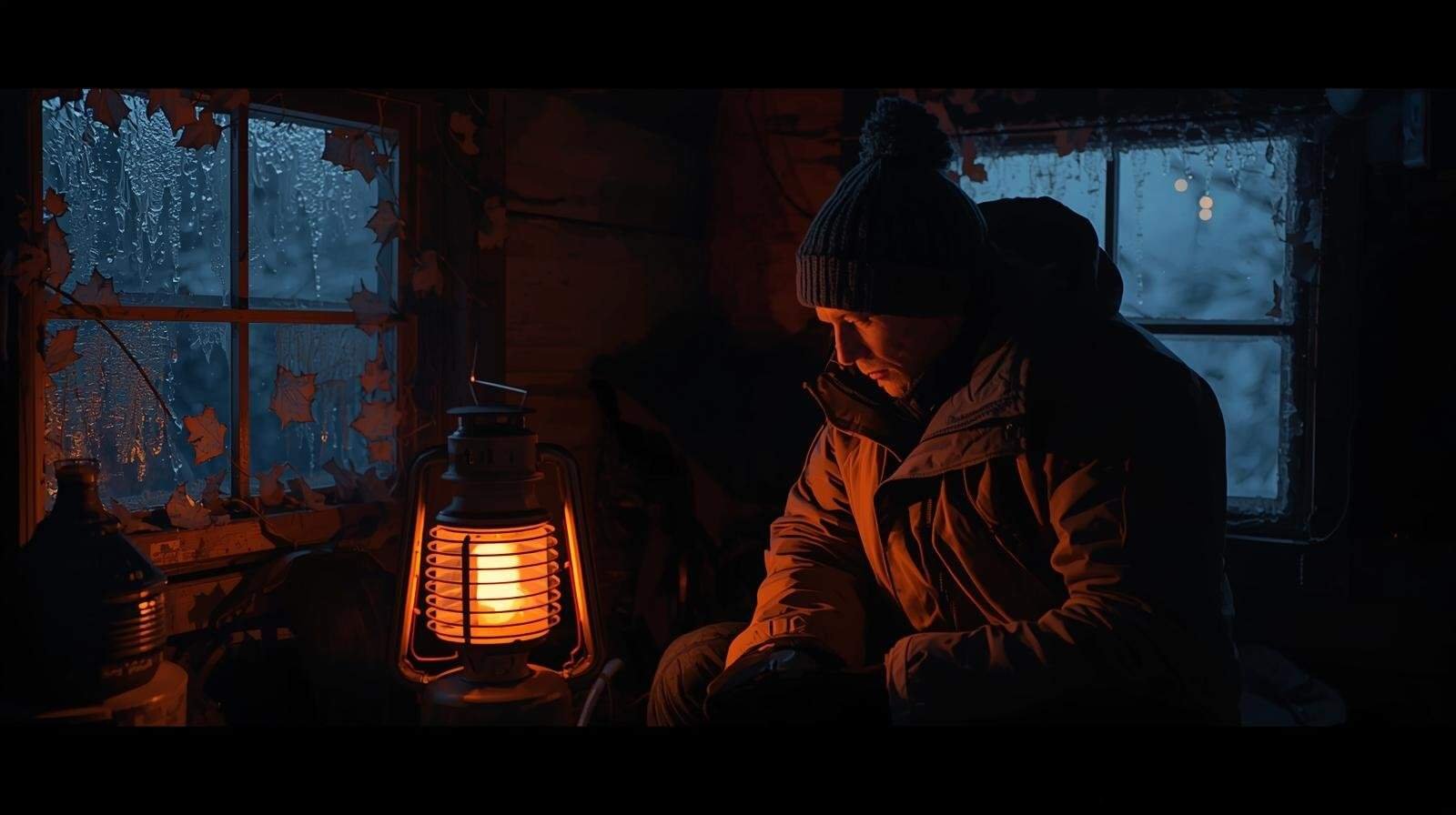
How to Survive A Winter Power Outage in Freezing Temps (Without Burning Your House Down)
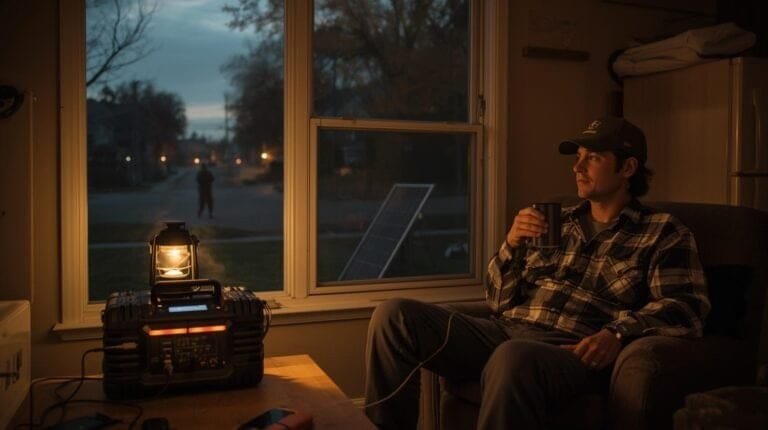
When the grid goes dark in the middle of January, modern civilization unravels faster than a cheap extension cord from the dollar store. Suddenly, your suburban neighborhood transforms into the set of The Revenant, only with less bear fighting and more people arguing over whose turn it is to freeze to death near the drafty window.
Look, I’ve been tracking, prepping, and writing about this stuff for two decades. I’ve seen it all. I’ve seen neighbors burning treated lumber in a decorative fire pit inside their living room (spoiler: bad idea). I’ve seen people try to heat a 3,000-square-foot McMansion with a single candle.
Let’s not be those people. If you want to survive a winter power outage scenario without becoming a statistic or a popsicle, you need to stop panicking and start thinking like a pioneer—but, you know, a pioneer with better gear and less dysentery.
This guide isn’t Pinterest survival. I’m not going to teach you how to make a cute tealight heater that looks nice but puts out less heat than a golden retriever’s breath. This is about what actually keeps you warm, alive, and un-burned when the grid fails.
Why Winter Power Outages Are More Dangerous Than You Think
Cold doesn’t rush. It waits. It’s patient, like a cat watching a mouse, or me watching my neighbor try to start a generator inside his garage (don’t worry, I stopped him).
The real threats when you try to survive a winter power outage events aren’t usually the cold itself immediately; it’s the stupid things we do to fight the cold.
- Hypothermia (Indoors counts): You don’t have to be on Everest to get hypothermia. 50 degrees Fahrenheit can kill the elderly and infants if they aren’t prepped.
- Carbon Monoxide Poisoning: The silent assassin. It happens when folks get desperate and bring the outdoors indoors.
- House Fires: “Creative” heating is just a nice word for arson.
- Calorie Burn: Shivering burns calories like a furnace. If you don’t feed the engine, the engine stops.
To survive a winter power outage conditions, you have to accept that your house is no longer a climate-controlled box. It is now just a pile of wood and drywall fighting the laws of thermodynamics.
The Fortress of Solitude: Room Isolation Strategy
If the power goes out, your 4-bedroom house is dead to us. Abandon it. You cannot heat the whole thing unless you have a wood stove the size of a Buick. To survive a winter power outage drops in temperature, you need to shrink your world.
Pick Your Command Center
Choose one room. Ideally, south-facing (for solar gain during the day), with few windows and interior walls. If you have a fireplace, that’s obviously the room, but we’ll get to the inefficiency of fireplaces in a minute.
The Micro-Climate
Close every door in the house. Hang heavy blankets over the doorways of your chosen room. Duct tape them to the frame if you have to. We are stopping airflow. To effectively survive a winter power outage cold fronts, you need to create a micro-climate.
You are not warming the house. You are warming the air immediately around your body.
Pro Tip: Pitch a tent indoors.
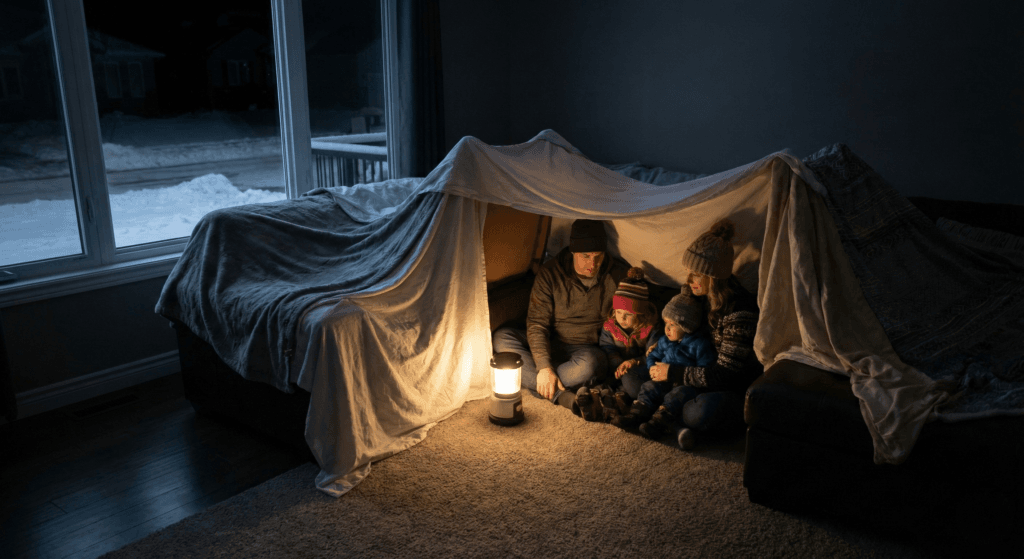
I’m serious. If you have a camping tent, set it up in the living room. It reduces the volume of air your body heat needs to warm. It’s a blanket fort for adults. Is it dignified? No. Will it help you survive a winter power outage shivering fits? Absolutely.
Smart Heat Sources (Safe vs. Deadly)
This is where people get killed. The desperation to feel warm overrides the logic of “breathing oxygen.”
The “Maybe Okay” List
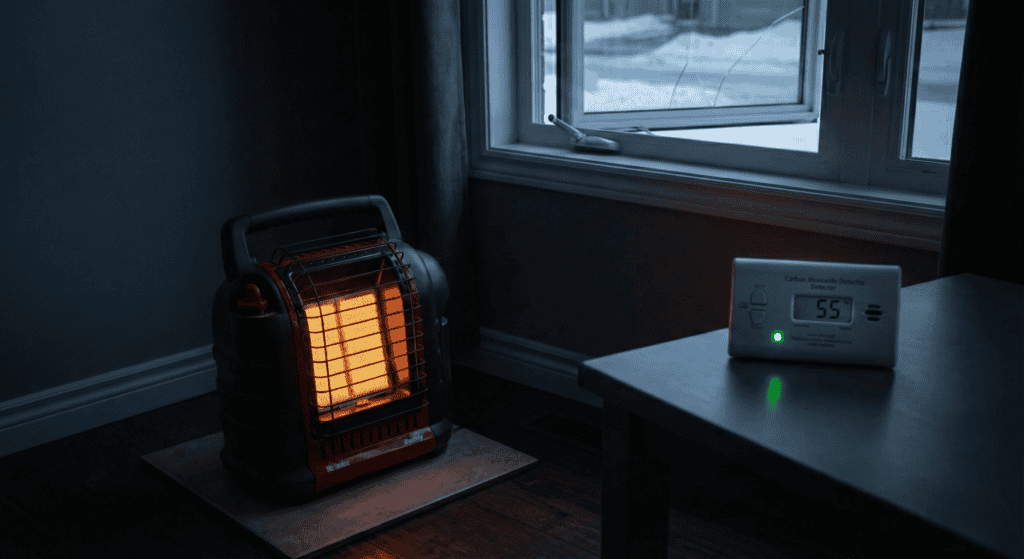
- Indoor-Rated Propane Heaters: Specifically, the Mr. Heater Big Buddy style. They have low-oxygen shutoff sensors. However, trusting a sensor with your life is a bold move. Crack a window. Yes, let a little cold air in to keep the oxygen flowing. It’s a trade-off required to survive a winter power outage asphyxiation risks.
- Kerosene Heaters: Old school. They smell like a jet engine and put out serious heat. But they require ventilation.
- Fireplaces: Here is the irony—a standard open masonry fireplace actually sucks warm air out of your house while it burns. It creates a draft. Unless you have a high-efficiency insert, you are mostly just watching “caveman TV” while your backside freezes.
The “Absolutely Not, Are You Crazy?” List
If you try to survive a winter power outage events using these, you won’t wake up:
- Charcoal Grills: Indoors? Never. The CO2 output is massive.
- Gas Stoves/Ovens: Do not heat your house with your oven door open. It’s inefficient and dangerous.
- Generators: Keep them outside. We will yell about this more later.
According to the CDC’s guide on Carbon Monoxide, CO2 is odorless and colorless. You won’t smell it coming. You’ll just get a headache, feel sleepy, and then you’re gone. If you want to survive a winter power outage dangers, buy a battery-operated CO2 detector. If you don’t have one, you are playing Russian Roulette with a fully loaded Glock.
Insulation Hacks: MacGyver Style
You don’t need Home Depot; you need to look at your garbage and linens differently.
To survive a winter power outage drafts, you must seal the envelope.
- Windows: Glass is a terrible insulator. Cover windows with blankets, bubble wrap (spray water on the glass and stick the bubble wrap to it), or even cardboard. It looks trashy. Who cares? You’re warm.
- Floors: If you have tile or hardwood, cover it. Rugs, towels, yoga mats. The floor will suck heat out of your feet via conduction.
- The Crack of Doom: Stuff towels under the doors. Stop the drafts. Think of your room as a submarine—you want it watertight, but for air.
Cooking Without Power: Feed the Furnace
Cold burns calories. Your body is working overtime to maintain 98.6 degrees. If you want to survive a winter power outage stress, you cannot diet.
Safe Options
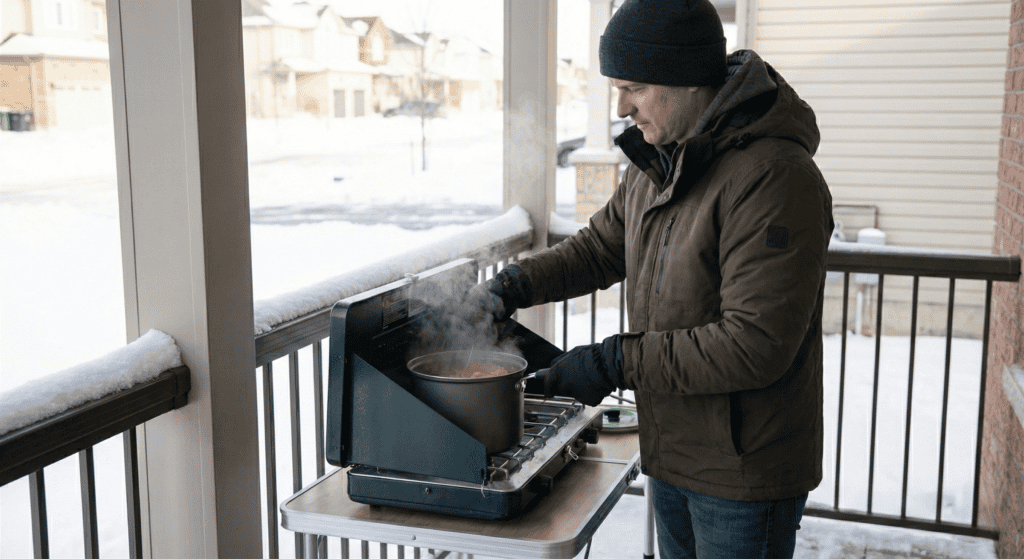
- Outdoor Grill: Use it outside. Boil water, heat soup, make coffee. Coffee is a survival essential, fight me on it.
- Camp Stove: Can be used on a porch or in a well-ventilated garage (door open). Do not use these inside your sealed-up blanket fort.
The Menu
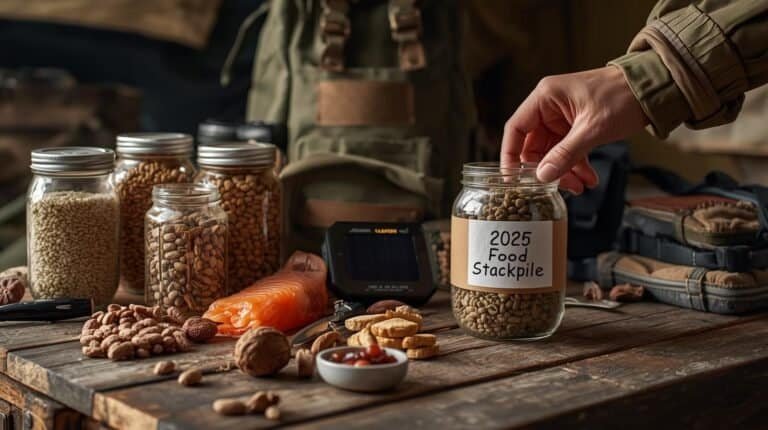
Eat high-fat, high-protein foods. Digestion creates internal heat (thermogenesis).
- Peanut butter
- Chili
- Nuts
- Oatmeal
Warning: Do not eat snow.
I see this in movies. “Oh, I’m thirsty, let me eat this snow.” Eating snow drops your core body temperature drastically. It costs your body massive energy to melt that snow into water. To survive a winter power outage hydration needs, melt the snow in a pot first, then drink it.
Check out Ready.gov’s food safety guidelines for what to keep and what to toss when the fridge dies.
Water: When the Pipes Scream
Frozen pipes turn your home into a water park of destruction once they thaw. To survive a winter power outage plumbing disasters:
- Drip the Taps: Moving water freezes slower.
- Open Cabinets: Let the ambient room heat (what little there is) reach the pipes under the sink.
- The Holy Grail of Water: Your hot water heater. It’s 40-50 gallons of potable water sitting in a tank. If the grid is down for days, locate the drain valve at the bottom. That is your reservoir.
Sanitation:
If the water grid fails, don’t flush the toilet unless you have water to pour into the bowl manually. If you don’t, you are creating a biohazard in your house. Line the bowl with a heavy-duty trash bag and use kitty litter if you have to. Welcome to the pioneer life. It smells bad.
Bonus tip: I collect the milk jugs after I finish the milk obviously, haha. Then I fill them with water and store them away for power outage prep. No you can’t drink the water, after a few months its full of bacteria. But, for flushing the toilet, its perfectly fine.
Generator Mistakes That Kill People
This is where the suburban dad ego gets dangerous. “I’ll just run this generator in the basement, it’ll be fine.”
No, Chad, it won’t be fine.
To survive a winter power outage scenarios with a generator:
- 20 Feet Rule: Keep it at least 20 feet from the house. Exhaust fumes drift.
- Dry: Rain and snow + electricity = bad time. Use a generator tent or build a cover (that allows airflow).
- Backfeeding: Do not plug your generator into your dryer outlet with a “suicide cord” unless you have a proper transfer switch or interlock kit. You can kill a lineman working on the wires down the street.
Read the CPSC’s report on generator safety before you even buy one. It’s sobering stuff.
The Mental Game: Don’t let the “Shining” set in
To survive winter power outage boredom, you need a plan. When the lights go out, the silence is loud. Kids get restless. You get anxious.
- Light: Headlamps are superior to flashlights. Hands-free is key when you’re trying to open a can of beans in the dark.
- Radio: A NOAA weather radio is your link to the outside world. It tells you if the cavalry is coming or if you need to hunker down for another three days. Check the National Weather Service frequencies for your area.
- Morale: a deck of cards is worth its weight in gold.
What I Personally Keep On Hand
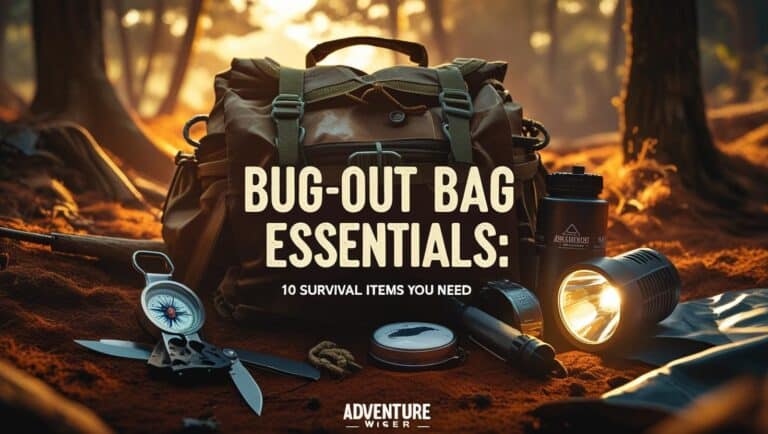
I don’t just write this stuff; I live it. Here is my “Oh crap, the power is out” kit. It helps me survive a winter power outage events comfortably while my neighbors panic.
- Mr. Heater Big Buddy: With the adapter hose for a 20lb tank.
- Battery CO2 Detectors: Two of them. One low, one high.
- Wool Blankets: 100% wool. It stays warm even when wet. Polyester fleece is fine, wool is armor. All the military Vets know what I am talking about here.
- Headlamps: Petzl or Black Diamond.
- Anker Power Banks: Keep the phone charged to doom-scroll until the towers die.
- Mountain House Meals: Just add hot water. Salt content is high, which helps retain water.
- 5-Gallon Jerry Cans: For water.
Lessons From Real Winter Blackouts
I’ve survived ice storms in the Midwest and deep freezes in the Rockies. Here is what I have seen people do wrong when trying to survive a winter power outage situations:
- Alcohol: They drink whiskey to “stay warm.” Alcohol is a vasodilator. It brings blood to the surface of your skin, making you feel warm while actually dumping your core heat into the air. You will freeze to death faster drunk.
- Candles: They light 50 candles. It looks like a vigil. Then the cat knocks one over. Now the house is on fire, and the fire department can’t get to you because the roads are icy. Use battery lanterns.
- Panic Buying: They rush to the store after the storm hits. If you are buying milk and bread when the snow is falling, you have already failed.
The American Red Cross has great checklists. Use them before the sky turns gray.
Wrapping It Up
Winter outages don’t need heroics. They need boring, methodical preparation. To survive a winter power outage events, you need warmth, food, water, and air you can breathe. That’s it.
Don’t be the guy burning his patio furniture in the living room. Be the guy eating hot oatmeal in a blanket fort, listening to the weather report, waiting for the lights to flicker back on.
Prep beats panic. Every time.
Stay wise. Stay warm.
— Adventure Wiser ❄️🔥
FAQ: Surviving the Freeze
Q: Can I use my gas stove to heat my apartment to survive a winter power outage conditions?
A: No. Do not do this. Gas stoves are not vented for continuous heating use. You risk Carbon Monoxide poisoning and depleting oxygen levels. Put on a sweater.
Q: How long can I survive a winter power outage temps without heat?
A: With proper clothing, shelter (the blanket fort!), and calorie intake, humans can survive indefinitely in freezing temps. The house will get cold, but you can stay warm. Inuit people thrived in the Arctic without central HVAC. You can handle a Tuesday in February.
Q: What is the best food to help me survive winter power outage cold?
A: Fats and proteins. Digestion generates heat. Think peanut butter, nuts, cheese (if you have it), and jerky. Sugar gives a quick burst but a fast crash.
Q: Should I drain my pipes to survive winter power outage damage?
A: If you are leaving the home, yes. If you are staying, it’s usually better to keep a drip going and keep cabinet doors open. If the interior drops below 32°F for an extended time, shutting off the main water valve and opening all taps is the safest bet to prevent bursts.
Q: How do I keep my pets safe?
A: If it’s too cold for you, it’s too cold for them (unless you have a Husky). Bring them into the “warm room” or tent. Their body heat helps warm the space, too. It’s a symbiotic relationship.
Q: Does a fireplace help me survive a winter power outage freezes?
A: Only if you are sitting directly in front of it. Most open fireplaces are negative-efficiency; they suck more warm air out of the house via the chimney draft than they put back in. Use it for morale, but don’t rely on it to heat the whole house.
Related Survival Reads
• Winter Storm Preparedness for 2026: Stay Warm, Safe & Powered
• What To Do When Your Phone Dies in the Field (And You Still Have to Get Home)
• Stay Calm in a Crisis: The Calm Operator’s Guide to Keeping Your Cool When Everyone Else Panics
• Vehicle Vitals: The Ultimate Winter Car Emergency Kit Checklist (2026)
• Land Navigation Basics for Preppers
Affiliate Disclaimer
Heads-Up, Fellow Preppers: Some links in this post are sponsored or affiliate links. If you click and buy, I may earn a small commission—enough to restock my peanut butter and maybe add one more can of chili to the stash. I only recommend gear I trust, use, and would hide in a bug-out bag.