
Why Physical Fitness Is Part of Being Prepared (Not Optional)
I’ve spent over twenty years in the woods. I’ve tracked everything from lost hikers who thought a GPS made them invincible to elk that were considerably smarter than the people hunting them. In that time, I’ve seen a lot of “prepared” people. Most of them have closets full of $400 knives and enough freeze-dried lasagna to survive a nuclear winter, but they have the cardiovascular capacity of a pack of damp matches.
Here is the cold, hard truth that most “influencers” won’t tell you because they want to sell you a plate carrier: Survival fitness is the only piece of gear you can’t leave behind in a panic. If you are wheezing after three flights of stairs, your $2,000 thermal optic is just a very expensive paperweight that someone else is going to inherit when you drop from exhaustion.
The Gear Trap: Why Your Backpack Won’t Save You
Most people think “being prepared” is a shopping list. Generators? Check. Solar chargers? Check. A bug-out bag that weighs 70 pounds? Check. But none of that matters if the person carrying it is negotiating with their knees like a hostage situation after half a mile. I’ve seen it time and again: men with “tactical” everything who can’t hike a moderate trail without their lower back filing a formal complaint.
Survival fitness isn’t about looking good in a mirror. It’s about being an asset instead of a liability. If the power goes out, the roads are blocked, and the gas stations are empty, you are the engine. If your engine is rusted out and hasn’t had an oil change since the Bush administration, you aren’t prepared—you’re just a loot drop for someone who actually prioritized their survival fitness.
I learned this the hard way in my early years. I thought I was “in shape” because I could bench press a respectable amount. Then I had to drag a 180-pound buck out of a ravine in a sleet storm. My “mirror muscles” didn’t mean squat. My lungs burned, my grip failed, and I realized my version of fitness was a lie. Real survival fitness is about endurance, functional strength, and the ability to move under load.
“Preparedness without physical fitness is just expensive wishful thinking.”
Real Emergencies are Sweaty, Not Cinematic
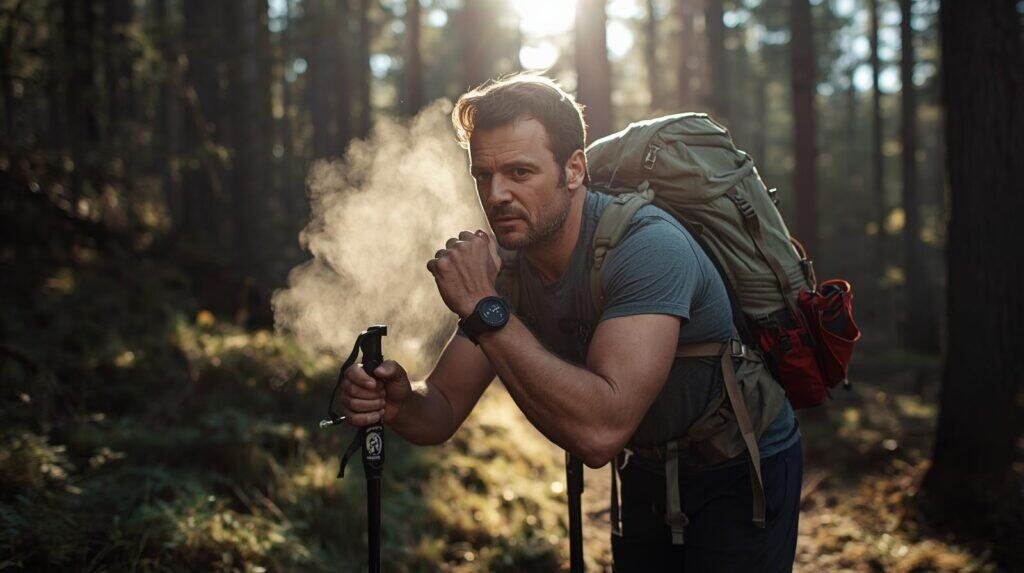
Hollywood has lied to you. Real emergencies aren’t slow-motion walks away from explosions. They are long, grueling stretches of discomfort. They involve walking farther than you planned, carrying more than you want, and making life-altering decisions while your brain is fogged by physical fatigue. This is where your survival fitness—or lack thereof—becomes the deciding factor in your story.
When I talk about survival fitness, I’m talking about the unsexy stuff. I’m talking about joint health, grip strength, and the metabolic flexibility to keep going when you haven’t had a meal in ten hours. In a grid-down scenario, you might be hauling five-gallon buckets of water, clearing debris, or rucking twenty miles because the highways are a parking lot. Your “max squat” doesn’t matter if you blow out a knee on mile three because you never trained for uneven terrain.
The Components of Functional Survival Fitness
To truly master survival fitness, you need to focus on these specific areas:
| Attribute | Why It Matters in the Field |
| Cardiovascular Endurance | Keeping your heart rate down while navigating stressful terrain. |
| Grip Strength | Essential for climbing, hauling, and tool retention. |
| Core Stability | Protects your spine when carrying an awkward, heavy pack. |
| Lower Body Stamina | The “engine” that gets you from Point A to Point B. |
| Mental Toughness | The ability to stay calm when your body is screaming to quit. |
If you want to understand the science of how movement affects your survival chances, check out the CDC’s guidelines on physical activity. It turns out, staying alive requires a bit more than just “not being dead.”
Strength Means Options (And Weakness Means Limitations)
In my twenty years of tracking, I’ve noticed a pattern: strong people have choices. When you have high levels of survival fitness, you can take the longer, safer route to avoid a threat. You can carry an extra twenty pounds of supplies for a family member who is struggling. You can detour around a washed-out bridge without it being a life-threatening ordeal.
When you lack survival fitness, you are stuck with whatever path hurts the least. You are limited by your fatigue. You become a passenger in your own survival story, forced to make risky decisions because you simply don’t have the physical “gas” to take the safer, harder way. To me, that’s not freedom. That’s a self-imposed prison.
The Four Pillars of Field Readiness
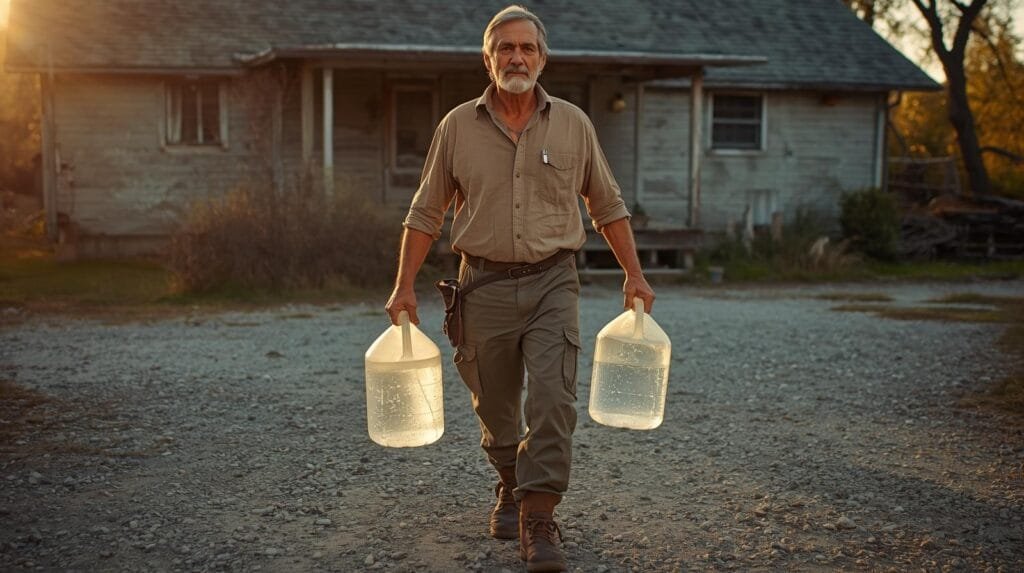
I don’t care about your CrossFit total or your marathon time. I care if you can survive the first 72 hours of a disaster without needing a nap every twenty minutes. Here is the framework for survival fitness that I’ve used to keep myself field-ready for two decades.
1. Movement: The Ability to Go
If you can’t walk for an hour with a purpose, everything else is just theory. I tell people to start with rucking. What is rucking? It’s just walking with a weighted pack. It is the king of survival fitness exercises. It builds the heart of a marathoner and the back of a mule.
- Baseline Goal: 3 to 5 miles on uneven terrain with a 20-pound pack. No drama, no paramedics.
- Why? Because walking is survival’s native language.
For more on the benefits of this specific type of training, Healthline has a great breakdown on rucking. It’s the ultimate way to build survival fitness without needing a fancy gym membership.
2. Strength: The Ability to Carry
Everything in a survival situation is heavy. Water is 8 pounds a gallon. Firewood is awkward. People are dead weight. Your survival fitness program needs to include “odd object” lifting. Forget the perfectly balanced barbell; pick up a sandbag or a log.
- Exercises: Farmer carries, sandbag squats, and pull-ups.
- The Test: Can you carry 40 pounds for a mile and still be able to use your hands for fine motor tasks afterward?
3. Resilience: The Ability to Recover
I’m over 40. I know what it’s like when your knees start talking back to you in a language that sounds suspiciously like “stop doing this.” Survival fitness includes mobility and recovery. If you are too stiff to climb through a window or crawl under a fence, you are in trouble.
You need to maintain your “chassis.” This means stretching, staying hydrated, and understanding that sleep is a tactical requirement, not a luxury. If you want to dive into the importance of sleep for performance, The Sleep Foundation has invaluable data on why you should prioritize rest.
4. Fatigue Management: Thinking While Tired
This is the “hidden” pillar of survival fitness. Most survival mistakes—the ones that get people killed—happen when they are cold, hungry, and exhausted. I’ve seen experts make rookie mistakes because their brains checked out once their heart rate hit 160.
You need to train while tired sometimes. Go for a walk after a long day at the office. Do a light workout when you’d rather sit on the couch. This teaches your brain that discomfort isn’t a reason to panic. It builds the mental aspect of survival fitness that keeps you sharp when the world is falling apart.
Why Survival Fitness Matters More After 50
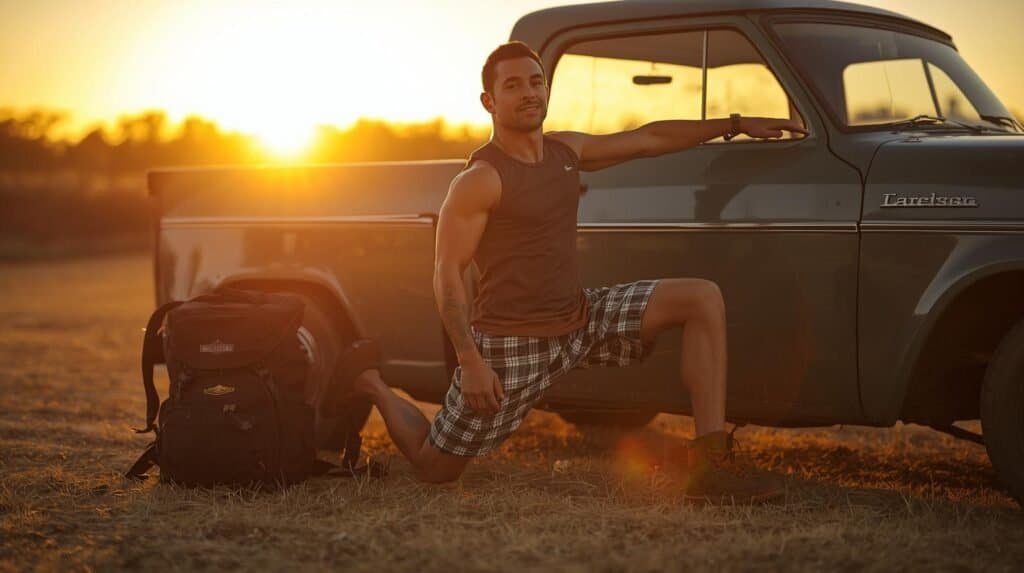
Let’s be honest with each other. If you’re like me and you’ve crossed the half-century mark, recovery is slower. Your joints have their own personalities, and they’re usually grumpy. But here is the upside: your discipline is likely stronger than it was at 20.
You aren’t training for vanity anymore. You’re training for usefulness. In a crisis, the community looks to the experienced men and women for leadership. But you can’t lead if you’re the one being carried. Survival fitness at this age is about being a pillar, not a burden. It’s about building a body that can still serve your family and your neighbors. It’s about being the person who can still move when others stall.
Faith, Stewardship, and the Body
I’ve always believed that our bodies are not disposable. They are entrusted to us. In my view, stewardship isn’t just about how you manage your money or your time; it’s about how you manage the vessel you’ve been given. A prepared person cares for their tools, and your body is the first tool in the box.
Improving your survival fitness is an act of responsibility. It’s an acknowledgment that you might be called upon to help someone else—a stranger, a neighbor, or a grandchild. Being physically capable of fulfilling that call is a matter of honor. Don’t let your “temple” become a ruin because you were too busy looking at gear catalogs.
Where to Start with Your Survival Fitness (Today)
Don’t overcomplicate this. You don’t need a $100-a-month gym or a personal trainer named “Blade” to improve your survival fitness. You just need to move.
- Walk: Start with 30 minutes, four times a week. Use your boots, not your sneakers.
- Add Weight: Once the walking is easy, throw 10 pounds in a backpack. That’s your first step toward true survival fitness.
- Carry Heavy Things: Twice a week, pick up something heavy and walk with it until your grip wants to quit. Check out this study on grip strength—it’s a better predictor of longevity than almost anything else.
- Stay Mobile: Spend 10 minutes a day stretching your hips and lower back.
- Fix Your Fuel: You can’t run a high-performance engine on garbage. The American Heart Association has plenty of resources on what actual “fuel” looks like.
Do this for 90 days. I guarantee you’ll move differently, think differently, and look at your “prepper” gear with a much more critical eye. You’ll realize that the best way to improve your survival fitness is simply to stop making excuses.
Wrapping Up: Be Useful, Not Just Equipped
I’ve said it before and I’ll say it again: Preparedness isn’t about fear. It’s about responsibility. It’s about being the guy who can still think when others freeze because his body isn’t screaming for oxygen. Gear helps. Skills matter. But survival fitness is the foundation that makes everything else possible.
If you can’t carry your own weight—plus a little extra—you aren’t prepared. You’re just waiting for someone else to save you. Don’t be that person. Train your survival fitness like your life depends on it, because one day, it very well might.
Frequently Asked Questions (FAQ)
Q: Do I need to be a bodybuilder for survival fitness?
A: Absolutely not. In fact, carrying too much unnecessary muscle mass can be a liability because it requires more calories and oxygen. Survival fitness is about functional endurance and the ability to move through the world efficiently. Think “wiry woodsman,” not “pro wrestler.”
Q: Is rucking bad for your knees?
A: It can be if you start too heavy. The key to survival fitness is progression. Start with a light weight and good boots. Done correctly, rucking actually strengthens the connective tissues in your legs and back.
Q: How often should I train for survival fitness?
A: Consistency beats intensity every time. Aim for 4-5 days of movement. Even a 20-minute walk with a pack is better than doing nothing all week and trying to hike 15 miles on Saturday.
Q: Can I build survival fitness at home?
A: Yes. Sandbags, water jugs, and your own body weight are all you need. The outdoors is the best gym you’ll ever find, and the membership is free.
Q: Does survival fitness change as you get older?
A: The goals remain the same, but the methods might shift. You’ll need to focus more on mobility and recovery to avoid injury, but your capacity for endurance can remain high well into your 60s and 70s.
Keep Your Skills Sharp
If you’re serious about being ready, don’t stop here. These guides will strengthen the rest of your system:
👉 How to Navigate Without a Compass(Without Crying, Panicking, or Calling Your Mom)
Because batteries die, and guesswork is not a strategy.
👉 Your Phone’s Dead. Now What? Old-School Navigation for the Modern Moron
A blunt guide to finding your way when tech abandons you.
👉 Best Maps for Preppers: Topographic & Survival Maps You Can Trust
Paper never needs an update or a charging cable.
👉 Winter Survival Checklist: What You Actually Need
No fluff. Just the gear and planning that matter when it’s freezing.