Bulletproof Prepper Garden Planning: The Brutal Reality of Growing Food When the System Fails
Most people think gardening is a relaxing hobby involving straw hats, sunshine, and the occasional Instagram-worthy tomato. That’s adorable. It’s also not what we’re doing here. If you’re looking for “aesthetic” backyard vibes, go buy a succulent and a macramé hanger.
A prepper garden planning strategy isn’t about hobby tomatoes; it’s about tactical food resilience. I’ve spent over 20 years in the outdoors and preparedness communities, and if there’s one thing I’ve learned, it’s that Nature is a fickle beast and the global supply chain is held together by duct tape and wishful thinking.
If you’ve spent any time paying attention to the world lately, you’ve noticed that supply chains wobble like a shopping cart with a seized wheel. Weather disasters, truck shortages, geopolitical drama… it doesn’t take much for grocery store shelves to look like they’ve been looted by a swarm of caffeinated raccoons. That’s why prepper garden planning is the foundation of any serious survival strategy.
A small backyard plot won’t make you a self-sufficient hermit overnight. But it will dramatically improve your food security, reduce your reliance on fragile systems, and teach you skills that are worth more than gold when the “Just-In-Time” delivery system stops being “In-Time.” You don’t need a tractor or a beard worthy of a mountain man—though the beard helps with the vibe. You just need dirt, sun, and a relentless prepper garden planning mindset.
What Is a Prepper Garden?
Let’s be clear: a prepper garden is designed with food production and caloric density as the primary goals. This is fundamentally different from a decorative garden where people grow three cherry tomatoes and a basil plant so they can feel “rustic” while waiting for their DoorDash driver.
In my two decades of experience, I’ve seen people fail because they treated their garden like a museum. Real prepper garden planning focuses on:
- High-Yield Crops: Maximum calories per square foot.
- Reliability: Plants that don’t die if you look at them wrong.
- Storage Potential: If you can’t store it, you’re just fattening up the local deer.
- Mistake Tolerance: Because you will screw up.
When I sit down for my annual prepper garden planning session, I treat it like a mission brief. It’s a long-term strategy that turns sunlight and sweat into actual meals.
Why Every Prepper Needs to Get Their Hands Dirty
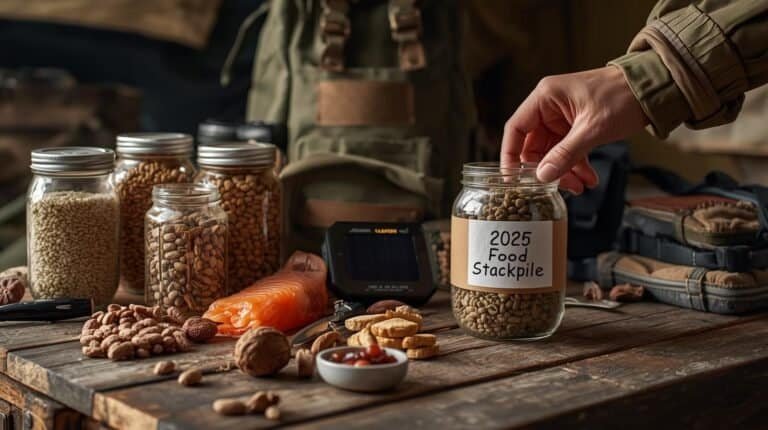
Preparedness isn’t just about hoarding #10 cans of freeze-dried beef stroganoff in your basement. Stored food is the “savings account,” but a garden is your “income.” Without prepper garden planning, you’re just counting down the days until your pantry is empty.
- Supply Chains are Paper-Thin: Grocery stores carry about three days of inventory. My prepper garden planning ensures that when the trucks stop moving, my dinner is still growing.
- Nutritional Superiority: Fresh food keeps you healthy; stored food keeps you alive. During a long-term disruption, the vitamins in your fresh spinach are the difference between being a functional human and a scurvy-ridden liability.
- The Skill Gap: You cannot “YouTube” your way out of a crop failure in the middle of a crisis. You need the dirt under your fingernails now. Real prepper garden planning is a compounding interest of skill.
- Barter Value: In a SHTF scenario, a basket of fresh potatoes is better than a stack of Benjamins. Food is the ultimate currency, and good prepper garden planning makes you the local mint.
Step 1: Tactical Site Selection
Success starts with location. If you plant in the wrong spot, you’re just composting expensive seeds. My prepper garden planning starts with a literal “land nav” of my backyard.
- Sunlight is Non-Negotiable: Most food crops need 6–8 hours of direct sun. Don’t guess. Actually watch the shadows. If your “garden” is in the shade of a massive oak, you’re just growing moss.
- The Water Problem: Gardens are thirsty. If your prepper garden planning involves dragging a 200-foot hose across the yard every day in July, you’re going to quit by August. Trust me, I’ve been there. Position your beds near your rain catchment or a reliable spigot.
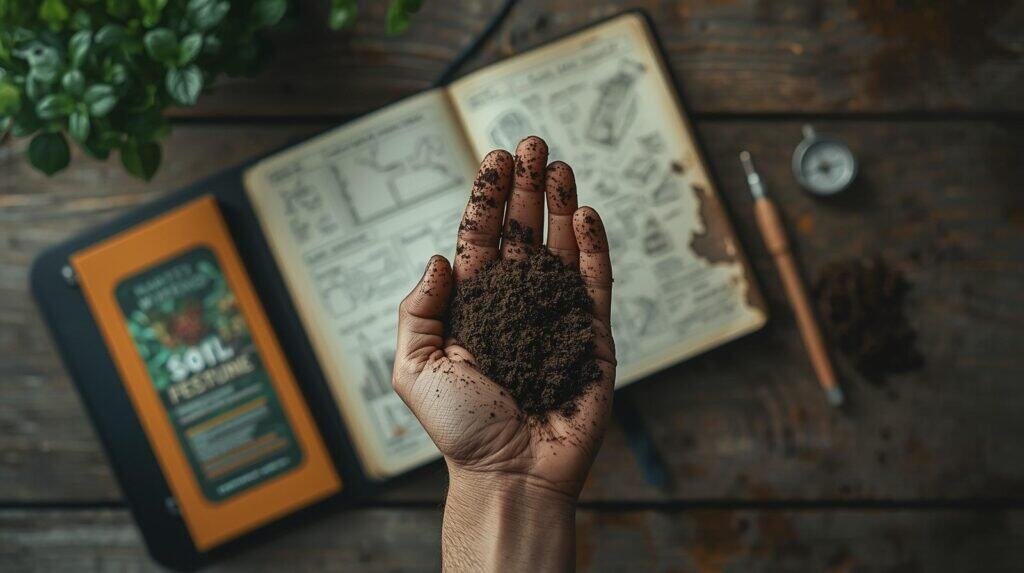
- Soil Quality: If your dirt looks like construction debris or powdered clay, you need help. I’m a huge fan of Soil Testing Labs to see what you’re actually dealing with before you waste money on fertilizer.
Step 2: Raised Beds vs. The “Old School” Way
A major fork in the road for prepper garden planning is the “where.”
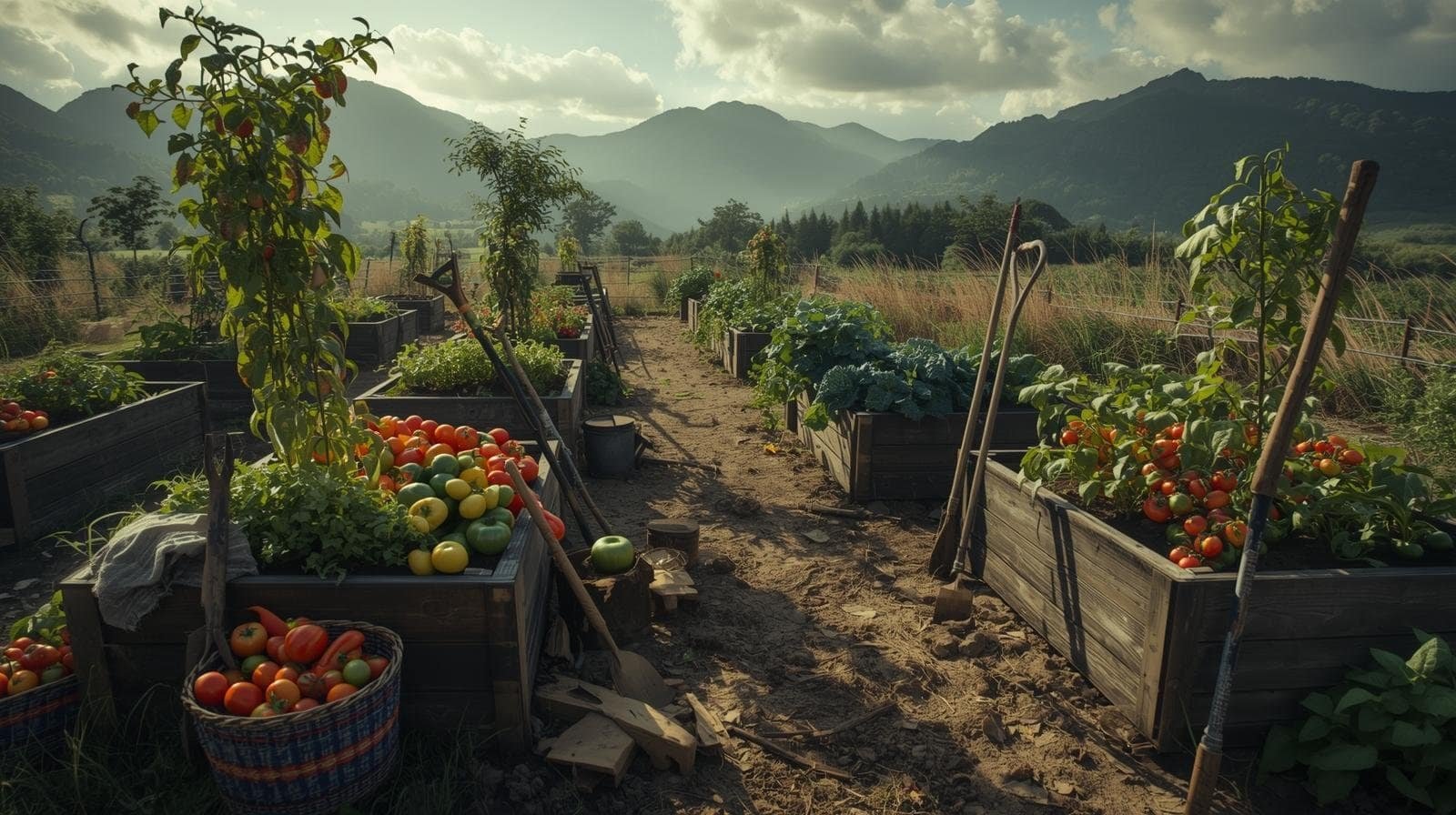
Raised Beds: This is my preferred method for Zone 8a. They offer better drainage, fewer weeds, and I can control the soil quality 100%. They also warm up faster in the spring, which is vital for early-season prepper garden planning. Plus, your back will thank you when you aren’t hunched over in the mud.
In-Ground: It’s cheaper and better for massive calorie crops like corn or potatoes. If you have the space and the soil isn’t garbage, this is where the “heavy lifting” of your prepper garden planning happens.
Step 3: Don’t Be a Hero—Start Small
This is the mistake every rookie makes. They get excited about prepper garden planning, buy half the seed catalog, and suddenly decide they’re going to out-produce a Midwestern farm. Three weeks later, the weeds have won the war, and the garden looks like a botanical crime scene.
Start with two to four 4×8 beds. Master those. If you can’t keep a 4×8 bed of kale alive, your prepper garden planning for a half-acre farm is a delusion. Gardening is a marathon, not a sprint through a seed aisle.
Step 4: The “Big Three” of Survival Crops
When I do my prepper garden planning, I look for the heavy hitters. Forget the exotic heirloom purple carrots that take 120 days to grow to the size of a toothpick.
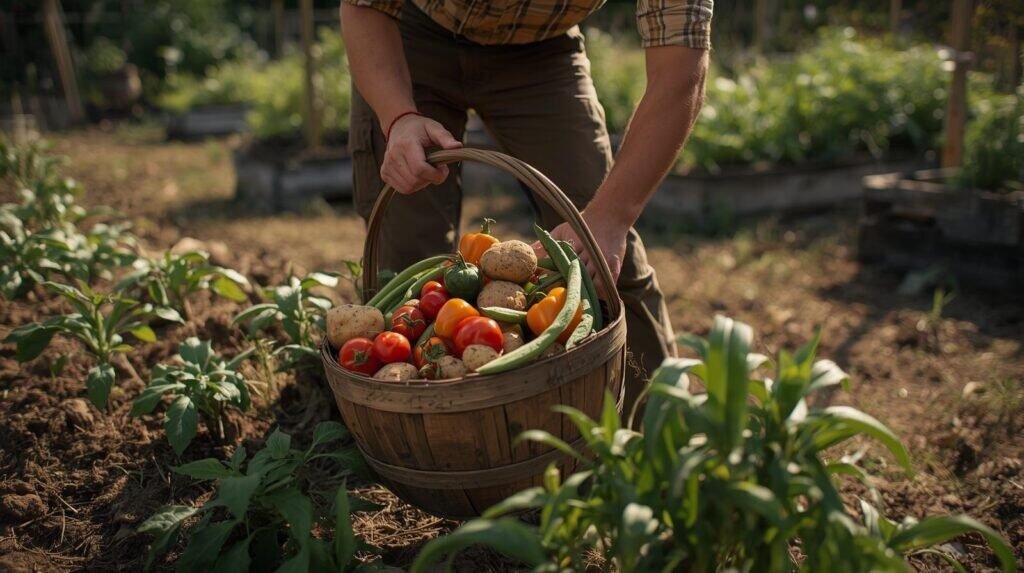
- Potatoes: The king of survival. High calories, easy to grow, and they store well in a cool dark place. If potatoes aren’t in your prepper garden planning, you aren’t serious.
- Beans: Your protein powerhouse. They also fix nitrogen back into the soil, which is a neat little trick for long-term sustainability.
- Squash/Zucchini: These things are prolific. A well-executed prepper garden planning session for squash can feed a small village (or at least annoy your neighbors with free zucchini).
Check out Old Farmer’s Almanac for specific timing in your area to ensure your prepper garden planning doesn’t get nuked by a late frost.
Step 5: Pest Defense (The “Active” Phase)
If you grow food, something else will try to steal it. Insects, rabbits, and deer are the original “raiders.” My prepper garden planning includes physical barriers like fencing, but also “active” measures.
As I’ve mentioned before, a quiet .22 pellet gun is a gardener’s best friend for humane pest removal. You also want to look into Companion Planting to let the plants do some of the defensive work for you. Marigolds aren’t just pretty; they’re a biological deterrent for pests.
Step 6: The Preservation Loop
Growing the food is only 50% of the mission. The other half of prepper garden planning is keeping it from rotting. You need to know how to can, dehydrate, and ferment. Without preservation, a massive harvest is just a high-speed race against decomposition.
I’ve spent years perfecting my canning routine because I know that a jar of home-grown sauce in January is the ultimate reward for my prepper garden planning in March.
Common Beginner Mistakes
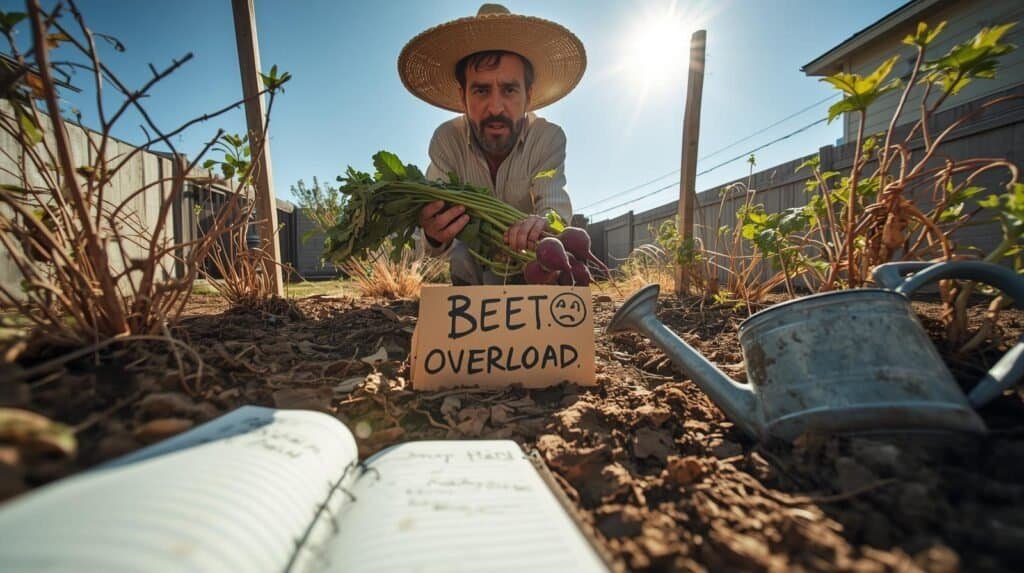
Let’s save you the “tuition” I had to pay in dead plants:
- Planting Crap You Don’t Eat: If your family hates beets, don’t put them in your prepper garden planning. You’ll just end up with a shelf full of jars nobody wants to touch.
- Ignoring the Soil: You are a soil manager who happens to grow plants. If your soil is dead, your prepper garden planning is dead.
- Watering Inconsistently: Plants hate drama. They want a steady routine. If you forget to water for three days in a 95-degree Arkansas summer, your prepper garden planning just became an expensive lesson in scorched earth.
Wrapping Up: The Power of the Harvest
After 20 years of watching how quickly “normalcy” can evaporate, I can tell you this: the people who thrive are the ones who can produce, not just consume. Prepper garden planning is a revolutionary act. It’s you telling the system that you don’t need its permission to eat.
Plus, once you taste a tomato that hasn’t been refrigerated for three weeks in a shipping container, you’ll realize store-bought tomatoes taste like wet cardboard. Get your boots on, get your prepper garden planning on paper, and get to work.
Keep Your Skills Sharp
If you enjoyed this deep dive into prepper garden planning, check out these other guides:
- Healthy Eating for Preppers – Stockpile nutritious food without living on spam and regret.
- Dopamine Discipline: Reset Your Brain’s Reward System– Tame the noise and beat anxiety.
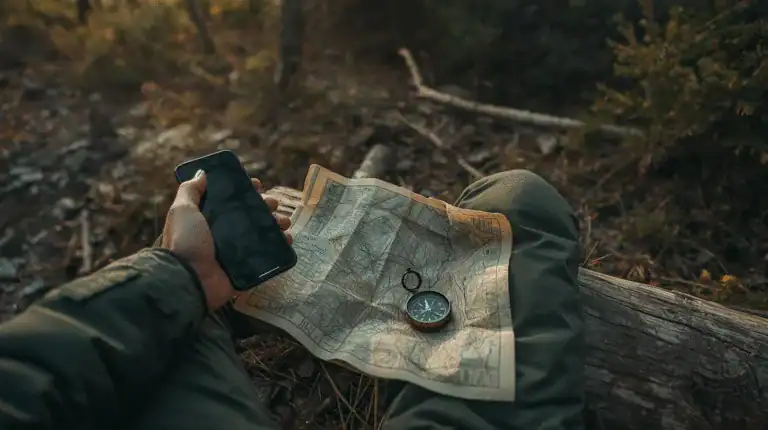
- Your Phone’s Dead. Now What? Old-School Navigation for the Modern Moron – My personal favorite for when the grid goes dark.
FAQ: Prepper Garden Planning
How big should a prepper garden be?
For beginners, start with two to four 4×8 raised beds. This is the “sweet spot” of prepper garden planning where you get a meaningful harvest without losing your mind.
What crops are best for a survival garden?
Potatoes, beans, squash, onions, and leafy greens. These are the “Big Five” of prepper garden planning because they offer the best calorie-to-effort ratio.
How long does it take to start producing food?
Radishes and lettuce can be on your plate in 30 days. Most of your heavy hitters in prepper garden planning will take 60–90 days.
Can you grow enough food in a backyard to matter?
Absolutely. A well-managed 400-square-foot garden can produce hundreds of pounds of food. Good prepper garden planning can easily supplement 30-50% of your fresh produce needs.
Do I need expensive tools for prepper garden planning?
No. You need a shovel, a rake, a hoe, and a solid watering system. Don’t fall for the “high-tech” gardening gadgets. Nature has been doing this for a long time without Bluetooth-connected trowels.