

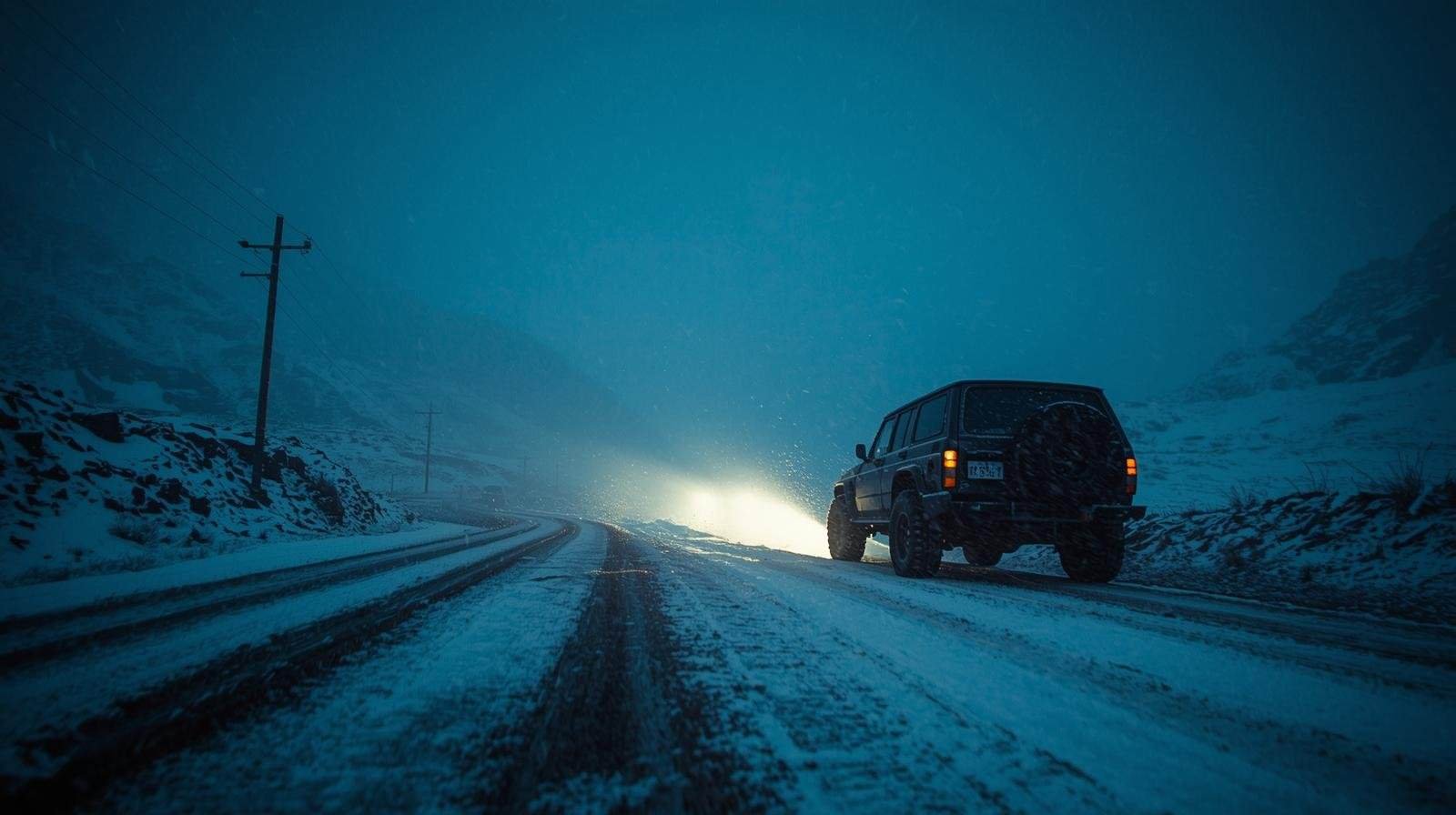

You’re cruising along a backroad in January — coffee in hand, life in order, heater blasting like a cheap sauna. Then it happens.
A sputter… a cough… a catastrophic mechanical tantrum.
Your car dies faster than your motivation on a Monday morning. Now you’re stuck on the shoulder, it’s 14°F, and the wind is slapping your face like it’s mad at you personally.
This is how normal people become Netflix documentaries.
But not you. Because after reading this guide, you’ll have a winter car emergency kit that actually works, not the half-eaten granola bar and expired AAA card occupying your glovebox right now.
Let’s build the ultimate winter car emergency kit for 2026. One that keeps you warm, alive, and not starring in a future Discovery Channel reenactment.
The Breakdown Nobody Thinks Will Happen
Winter breakdowns are unforgiving. Engines fail. Tires slide. Batteries die like they owe money to a loan shark. According to AAA, they rescue over 32 million drivers annually, with a massive spike occurring during winter months due to battery failures and tire issues.
And help isn’t coming right away — especially in rural areas, storms, or those Arkansas backroads where your phone signal disappears faster than chocolate in a prepper pantry. Without a proper winter car emergency kit, you are at the mercy of the elements.
Most “Car Kits” Are A Joke
If your idea of a winter car emergency kit consists of a phone charger, a mint, and “emotional support optimism”… you’re not ready.
Breaking down in summer is inconvenient; you sweat a little. Breaking down in winter is dangerous; you freeze a lot.
The Cold Reality:
Hypothermia doesn’t care about your heated seats once the engine dies. You need a winter car emergency kit that addresses the “Rule of 3s” — specifically maintaining core body temperature.
Build the Kit Your Future Self Will Thank You For
This guide gives you a prepper-tested, winter-approved, “Mom would be proud” checklist. We are going to build a winter car emergency kit that can save your life when your vehicle decides to take a seasonal nap.
Scroll Down, Build the Kit, Survive Winter Like a Pro
Let’s make sure your vehicle is ready for winter’s worst. No panic. No shivering. No bad endings.
Why Your Winter Car Emergency Kit Actually Matters
Winter: The Great Equalizer
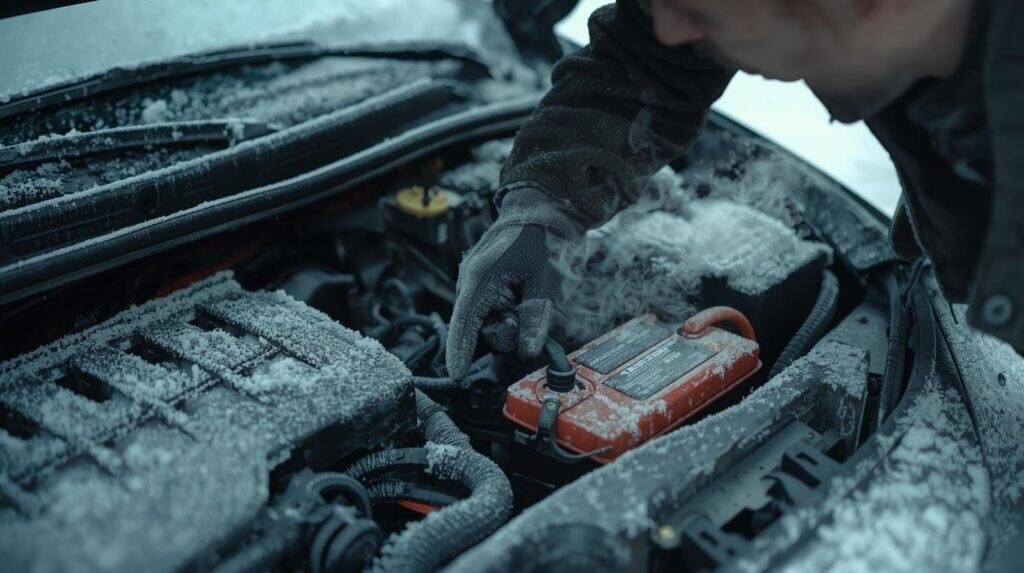
Four-wheel drive? Cute. Brand-new tires? Adorable. Winter will still body-slam you without hesitation. When temps drop, everything becomes harder — engines, batteries, traction, and staying warm.
Check out this data on how cold weather affects your car battery (the heart of your vehicle):
| Temperature (F) | Battery Output Efficiency | Engine Drag (Load) |
| 80°F | 100% | Normal |
| 32°F | 65% | High |
| 0°F | 40% | Extreme |
Data Source: Interstate Batteries
At zero degrees, your battery has lost 60% of its power, right when your engine is hardest to turn over. This is why a winter car emergency kit with a jump starter is non-negotiable.
Grid & Road Failures Are More Likely in Winter
Road closures spike. Accidents triple. Utilities struggle. If you’ve read the Blackout Blueprint, you know the grid is held together with hope and outdated infrastructure.
Help Can Take Hours to Arrive
If EMS is busy, tow trucks are overwhelmed, or roads are iced over — you’re the hero of this story. A solid winter car emergency kit buys you time, warmth, and survival while the world catches up.
The Ultimate Winter Car Emergency Kit Checklist (2026 Edition)
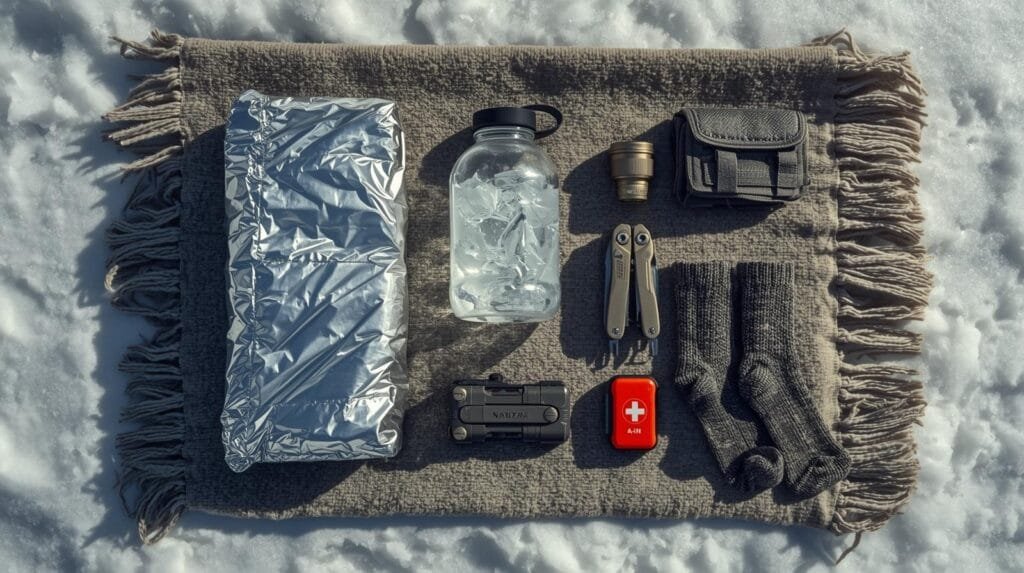
This is the gold standard. Don’t skip items unless you enjoy suffering.
1. Heat & Warmth Gear (Your #1 Priority)
Cold kills faster than hunger, boredom, or that playlist you regret downloading. Your winter car emergency kit must prioritize retaining body heat.
- Wool Blankets: Cotton kills when wet. Wool retains heat even when damp.
- Mylar Emergency Blankets: Reflects 90% of body heat.
- Hand Warmers & Toe Warmers: Buy the bulk box.
- 0° or 20° Emergency Sleeping Bag: If you have to sleep in the car, a coat isn’t enough.
- Extra Clothing: Gloves, beanie, and warm socks.
- Neck Gaiter: Reduces heat loss from the neck/face area like magic.
Pro Tip: Keep the warmth items in a dedicated “Grab Pouch” inside your winter car emergency kit so you can access them without digging.
2. Vehicle Safety Must-Haves
Winter roads are petty and vindictive. Don’t gamble. The NHTSA recommends carrying abrasive material, and they are right.
- Lithium Jump Pack: Better than jumper cables if you are alone. (Note: Keep this fully charged; lithium hates the cold too).
- Tire Chains or Traction Boards: Vital for ice.
- Kitty Litter or Sand: For traction when you are stuck in the slush.
- Heavy-Duty Ice Scraper & Snow Brush: Don’t use your credit card.
- Collapsible Shovel: To dig out your tires (or your dignity).
- Tire Pressure Gauge: Cold air drops tire pressure (1 PSI for every 10°F drop).
- Road Flares or LED Triangles: Visibility is low in snowstorms.
3. Communication & Navigation Tools
Phones betray people in winter. Don’t rely on yours like it’s a loyal pet. A robust winter car emergency kit assumes your iPhone is dead.
- Dedicated Power Bank: 20,000mAh minimum.
- 12V Fast-Charger: For when the car is running.
- Offline Maps: Gaia, OnX, or downloaded Google Maps.
- NOAA Emergency Radio: Know the weather before it hits. Ready.gov lists this as a top essential.
- Whistle: Sound carries farther than your voice in cold air.
4. Light Sources (Don’t Freeze in the Dark)
Darkness + cold = panic cocktail. Bring your own light to your winter car emergency kit.
- Headlamps: Hands-free is essential for changing a tire.
- LED Lantern: For inside the cabin.
- Glow Sticks: Backup light that requires no batteries (and makes the breakdown feel like a sad rave).
- Extra Batteries: Keep these in a warm pocket, not the trunk.
5. Food & Hydration
Winter dictates what foods you can store — and what turns into an edible icicle.
- High-Calorie Bars: Look for high fat content.
- Mixed Nuts & Jerky: Protein and fats generate body heat during digestion.
- Wide-Mouth Water Bottles: Metal or Nalgene. Thin plastic bottles will freeze and burst, ruining your winter car emergency kit.
- Electrolyte Packets: Hydration prevents hypothermia.
6. Tools & “MacGyver Gear”
When in doubt, over-prepare.
- Multi-tool: Leatherman or Gerber.
- Paracord: 50ft of 550 cord.
- Duct Tape: Fixes hoses, windows, and bumpers.
- Fix-a-Flat: A temporary fix to get you to safety.
- Glass Breaker/Seatbelt Cutter: Keep this within arm’s reach, not in the trunk.
7. First Aid & Medical Essentials
Because winter breakdowns usually involve slipping on ice. Your winter car emergency kit needs a boo-boo box that handles real trauma.
- Complete First-Aid Kit: Bandages, gauze, tape.
- Trauma Items: Tourniquet, pressure bandage (Israeli bandage).
- Pain Relievers: Ibuprofen/Tylenol.
- Personal Meds: A 3-day supply of anything you take daily.
8. Comfort & Sanity-Saving Extras
Mental resilience matters as much as the gear.
- Spare Wool Socks: Wet feet = trench foot.
- Tactical Trash Bags: Use as a ground cloth, rain shield, or emergency poncho.
- Deck of Cards: Keeps the doom spiral away while waiting for the tow truck.
- Small Bible or Reading Material: Keep the mind occupied.
How to Pack Your Winter Car Emergency Kit (Without Losing Your Trunk)
Choose a Rugged Container
A tactical duffel, waterproof bin, or hard case works best. Do not use a cardboard box; it will disintegrate the moment snow touches it.
Seasonal Rotation
Every 6–12 months, audit your winter car emergency kit. Refresh food, test batteries, and replace expired items.
Keep the Essentials Readily Accessible
Don’t bury the gloves under a gallon of kitty litter. If it’s needed in the first 10 minutes (gloves, headlamp, hat), keep it in the passenger cabin, not the trunk.
Key Mistakes People Make (Don’t Be These People)
1. Packing Water in Disposable Bottles
They freeze. They burst. They betray you. Use wide-mouth Nalgene-style bottles for your winter car emergency kit; they can handle the expansion of freezing water.
2. Assuming “Good Tires” Are Enough
Winter laughs at your “All-Season” confidence. Check your tread depth.
3. Forgetting Fuel & Maintenance
Keep your tank above half. Always. It adds weight for traction and ensures you can run the engine for heat.
4. Relying on Cell Service
AT&T is great until you actually need it in a blizzard. Download offline maps.
Winter Driving Survival Tips (For When You’re Already Stuck)
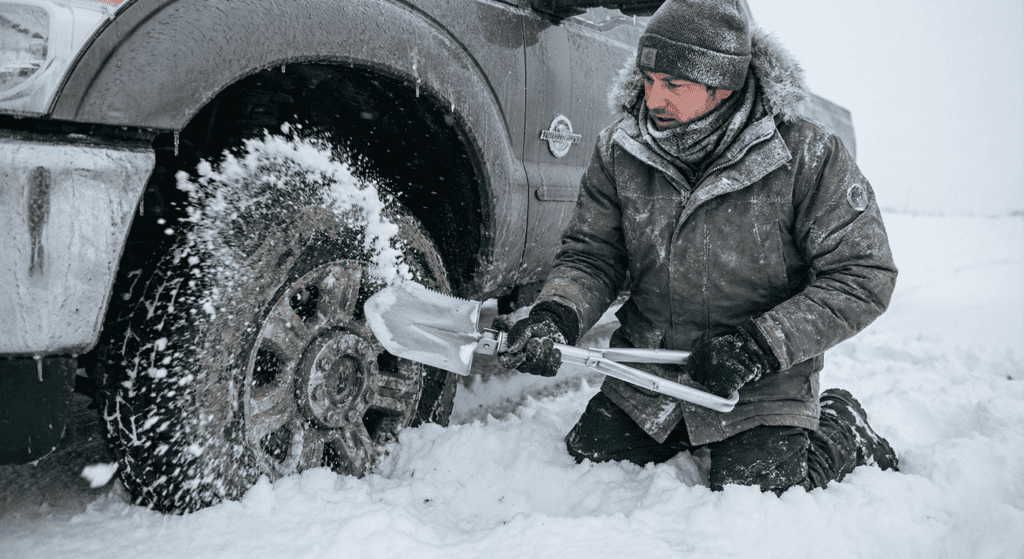
Stay With Your Vehicle
According to the Red Cross, your vehicle is your best shelter. It provides windbreak and visibility. Do not walk for help unless you see a building close by.
Run the Engine Safely
Run the engine for 10 minutes every hour to generate heat.
- CRITICAL: Crack a window downwind to prevent Carbon Monoxide poisoning.
- CRITICAL: Clear snow from the tailpipe before starting the engine.
Move Just Enough to Stay Warm
Clap your hands, stomp your feet. But do not sweat. In a survival situation, sweat is death. Damp clothes lose their insulating ability.
Wrapping Up & My Experience
I learned the value of a winter car emergency kit the hard way — stuck on a mountain road in Colorado, sleet hammering my windshield, and the tow truck ETA was “eventually.”
I had my gear. I stayed warm, fed, hydrated, and sane.
A winter car emergency kit isn’t paranoia — it’s preparedness with receipts. Your vehicle should be as ready as you are. In 2026, with storms intensifying and grids sagging under demand, your winter car emergency kit is non-negotiable.
This checklist isn’t about fear. It’s about freedom, competence, and showing winter who’s boss.
Stay warm. Stay ready. Stay Adventure Wiser.
Additional Reads
- The Blackout Blueprint
- Storm Preparedness Checklist
- How to Navigate Without a Compass
- 7 Best Compasses for Preppers (Reliable Picks You Can Trust)
FAQ
Q: What is the single most important item in a winter car emergency kit?
A: Warmth layers. A sleeping bag or wool blanket is critical because once the car dies, the heat is gone instantly.
Q: How often should I check my winter car emergency kit?
A: Rotate your winter car emergency kit supplies every fall (October) and spring (April). Check expiration dates on food and charge your jump pack.
Q: Can I run my car heater the whole time if I’m stuck?
A: No. You will run out of fuel too fast, and you risk Carbon Monoxide poisoning. Run it for 10 minutes every hour.
Q: What food won’t freeze solid in my winter car emergency kit?
A: High-fat granola bars, nuts, and beef jerky are best. Avoid pouches with high water content or fruit cups.
Q: Should I buy a pre-made winter car emergency kit?
A: Most pre-made kits are garbage filled with cheap filler. Use this checklist to build a custom winter car emergency kit that actually works.