
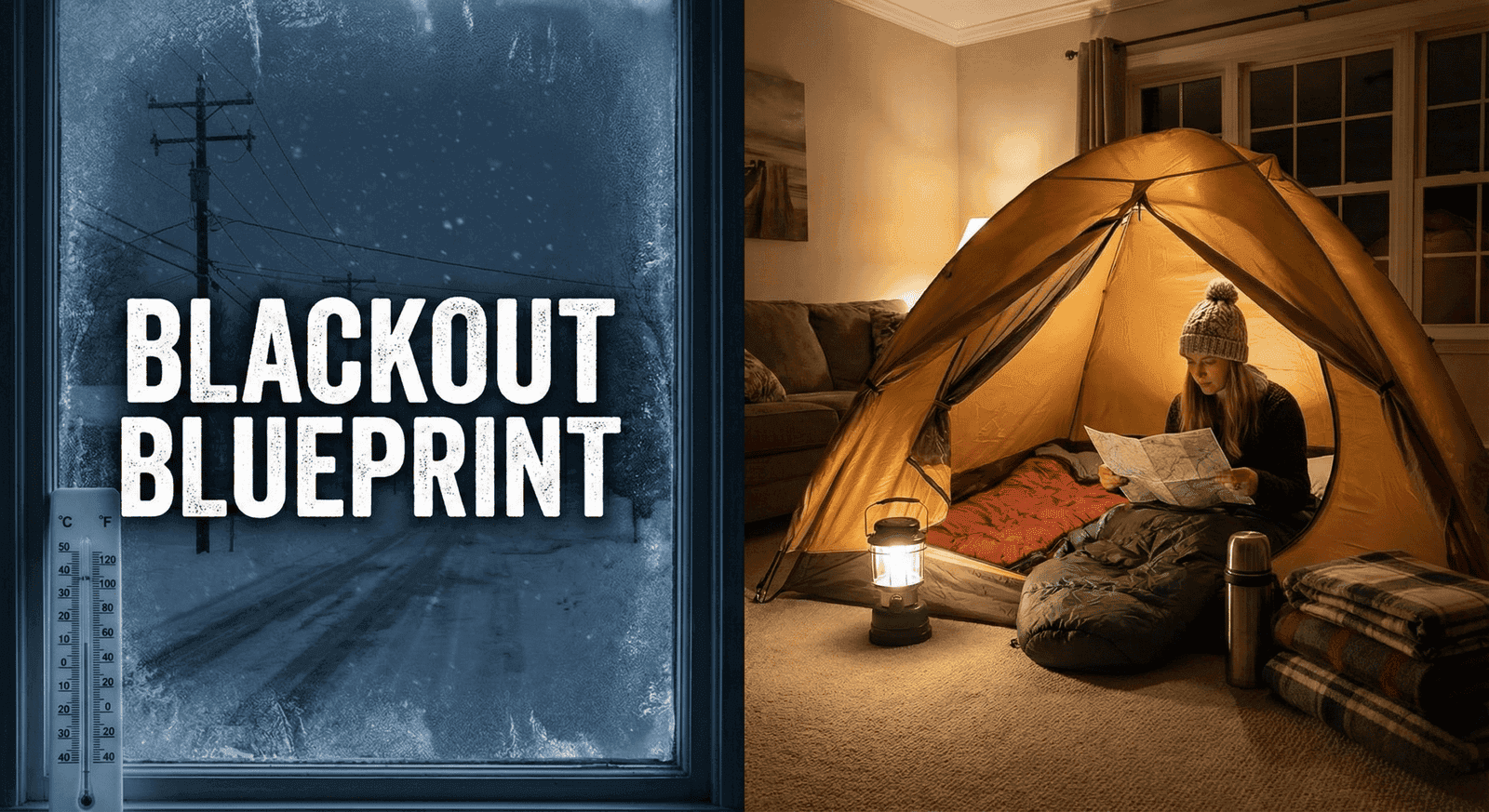

Picture this: It’s 2:00 AM in February. The wind is howling outside like a banshee with a stubbed toe. Suddenly, the hum of the refrigerator cuts out. The streetlights go dead. The silence is deafening, and within an hour, your living room starts to feel less like a home and more like a walk-in freezer at a Costco. Welcome to the outage. Here is the cold, hard truth: Mother Nature doesn’t care about your comfort, your deadlines, or the fact that you keep the thermostat at a cozy 72 degrees.
Most people think hypothermia is something that only happens to mountain climbers on Everest or that guy in the movie Titanic. Wrong. According to the CDC, over 1,300 people die from temperature-related issues in the U.S. annually, and a shocking number of those happen indoors during grid failures. When the grid goes down, the cold creeps in fast. And here is the kicker: panic kills faster than the cold. Most people freeze—literally and figuratively—because they skipped the basics and relied on the power company to keep them alive.
You don’t have to be one of those statistics. You don’t need to burn your furniture for warmth or huddle in a corner shivering. You just need a plan. I’m going to walk you through a simple, prepper-tested, real-world strategy I call the Blackout Blueprint. This isn’t theoretical nonsense; it’s the exact protocol I use to keep my family toasty when the grid fails. This Blackout Blueprint turns a life-threatening crisis into a minor inconvenience involving board games and hot cocoa.
Stop hoping the lights will come back on. Hope is not a strategy. Scroll down, memorize this Blackout Blueprint, and learn how to survive the freeze without losing your sanity.
Why Staying Warm Matters More Than You Think
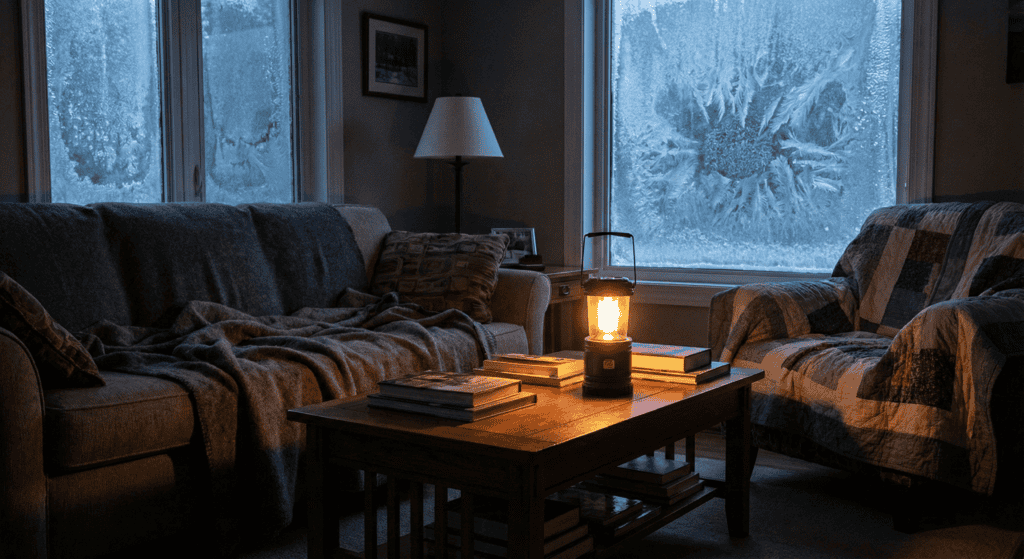
Before we dive into the nuts and bolts of the Blackout Blueprint, we need to talk about why the cold is actually dangerous. It’s not just about being uncomfortable; it’s about physiology.
The Silent Killer — Hypothermia Indoors
Here is a fun statistic for your next dinner party: Your body begins to lose dexterity and cognitive function when your core temperature drops just a few degrees, specifically below 95°F. You don’t need to be in a snowbank for this to happen. If your house drops to 50°F and you are sitting still in a cotton t-shirt, you are on the express train to Hypothermiaville.
The Blackout Blueprint prioritizes core body temperature because once you start shivering, you are burning valuable calorie reserves. If you ignore the Blackout Blueprint protocols, you risk the “Umbles”—stumbles, mumbles, fumbles, and grumbles. This is your body shutting down.
The Stress Spiral
Cold triggers a primal stress response. When you are freezing, your cortisol spikes. When cortisol spikes, you make stupid decisions. I’ve seen smart men try to bring charcoal grills inside their living rooms because they were cold and desperate (Spoiler: Do not do this. You will die). The Blackout Blueprint is designed to keep you warm so you can keep your head straight. Mental resilience starts with physical comfort.
The Prepper Advantage
The difference between a victim and a survivor is the Blackout Blueprint. While your neighbors are panic-buying milk and bread (why is it always milk and bread?), you will be executing a pre-planned strategy. The Blackout Blueprint gives you the psychological edge of knowing exactly what to do when the heater hums its last breath.
Step-by-Step Instructions to Stay Warm When the Grid Goes Down
Alright, let’s get to work. This is the core of the Blackout Blueprint. Follow these steps in order, and do not deviate.
Step 1 — Trap the Heat You Already Have
Your house is leaking heat like a sieve. The moment the power cuts, your first job in the Blackout Blueprint is to stop the bleed. You need to shrink your footprint. Do not try to heat the whole house; that’s a rookie move.
Pick one room. Ideally, a south-facing room (for solar gain during the day) or a smaller interior room. Close every other door in the house. The Blackout Blueprint dictates that you seal this room up tight. Use draft stoppers or rolled-up towels under the doors. Hang heavy blankets over the windows. If you want to get fancy, use thermal curtains. You are creating a micro-climate.
Step 2 — Layer Yourself Like a Human Burrito
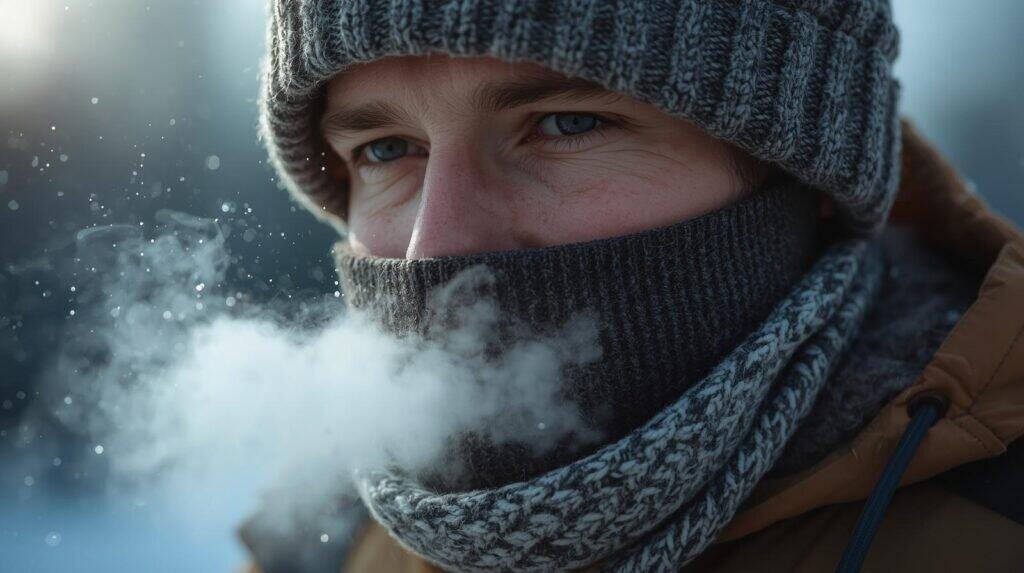
If you are wearing cotton right now, go change. I’ll wait. Cotton is the enemy of the Blackout Blueprint. When cotton gets damp (from sweat or humidity), it loses its insulating properties and sucks heat away from your body 25 times faster than air.
Layering is non-negotiable in the Blackout Blueprint:
- Base Layer: Merino wool or synthetic. This wicks moisture away from your skin.
- Mid Layer: Fleece or wool. This traps dead air (which is what actually keeps you warm).
- Outer Layer: Something wind/water resistant if you go outside, or just a thick down jacket inside.
And put on a hat. The old myth that you lose 80% of your heat through your head is bogus, but you do lose heat there. The Blackout Blueprint says: wear the beanie.
Step 3 — Insulate the Room (MacGyver Style)
Now that you’re dressed, let’s make your fortress. The Blackout Blueprint relies on physics: heat transfer happens through conduction, convection, and radiation.
Here is the best trick in the book: Pitch a tent inside your designated room. Yes, you will look ridiculous. No, you won’t care. A tent drastically reduces the volume of air your body heat needs to warm up. Throw your mattresses inside. Pile blankets on top of the tent. If you don’t have a tent, build a fort with furniture and blankets. The Blackout Blueprint is about survival, not interior design.
Step 4 — Safe Heat Sources You Can Actually Use Indoors
This is where people get hurt. The Blackout Blueprint strictly forbids bringing outdoor fuel sources inside without proper ventilation. Here is what you can use:
- Mr. Heater Buddy: This is the gold standard for the Blackout Blueprint. It runs on 1lb propane tanks and has a low-oxygen shutoff sensor.
- Kerosene Heaters: Old school, hot, and smelly, but effective. Requires ventilation (crack a window).
- Candle Heaters: A clay pot inverted over candles. It won’t heat a gym, but it will warm your hands.
- Hot Water Bottles: If you can boil water on a camp stove (outside or ventilated), fill a Nalgene or hot water bottle and throw it in your sleeping bag.
Vital Safety Note: According to the CPSC, carbon monoxide is a leading cause of poisoning deaths. Always, and I mean always, run a battery-operated CO detector if you are burning anything. It is a non-negotiable part of the Blackout Blueprint.
Step 5 — Movement = Warmth
If you are sitting still, you are dying. Okay, that’s dramatic, but you are definitely getting colder. The Blackout Blueprint encourages “micro-exercise.” Do bodyweight squats. Pace the room. Flap your arms.
However, the Blackout Blueprint has a strict rule: Do not sweat. Sweating dampens your base layer, which leads to evaporative cooling, which leads to you shivering again. Prepping is not CrossFit. Keep it light.
Step 6 — Eat for Warmth, Drink for Heat
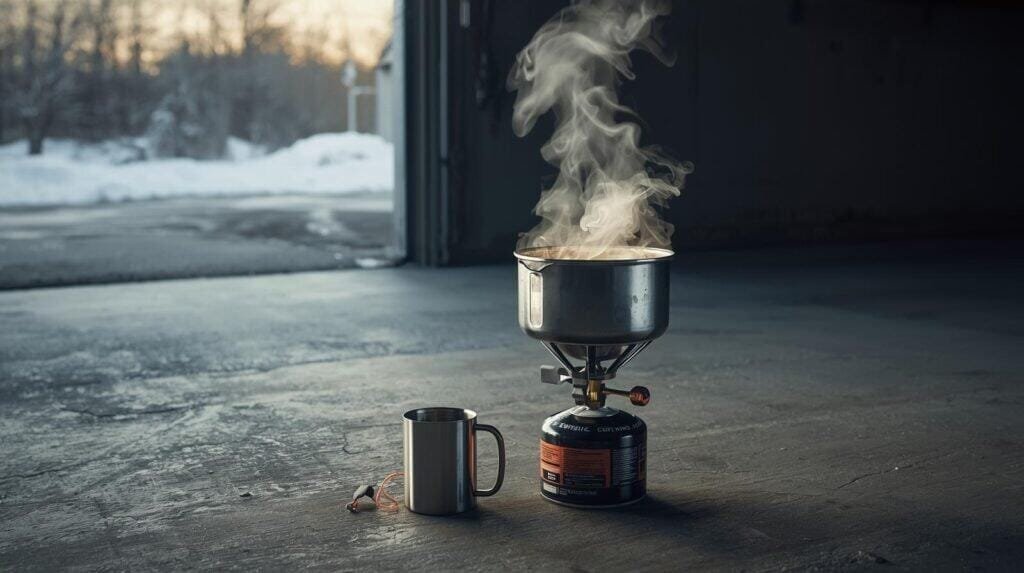
Your metabolism is a furnace. Feed it. The Blackout Blueprint diet consists of high-fat, high-calorie foods. Nuts, cheese, chocolate. Digestion creates heat (thermogenesis).
Drink warm fluids constantly. Use your Jetboil or camping stove (in a ventilated area, please) to make tea, broth, or hot water. Dehydration makes you more susceptible to hypothermia. The Blackout Blueprint requires you to stay hydrated to keep your blood volume up and circulation moving.
Step 7 — Sleep Smart
Nighttime is the coldest time. The Blackout Blueprint strategy for sleep is “pack it in.” Sleep together. Shared body heat is the most efficient heater you have.
Ditch the air mattress—the air inside it will cool to the room temperature and suck the heat right out of your back. Sleep on top of foam pads or pile blankets under you. You need insulation from the floor just as much as you need it on top of you. A 0° rated sleeping bag is a great investment for your Blackout Blueprint kit.
Key Considerations Most People Forget (But You Won’t)
You’ve got the basics, but the Blackout Blueprint covers the blind spots that amateurs miss.
Carbon Monoxide — The Silent Doom Cloud
I mentioned it before, but I’m mentioning it again because it’s that important. You can’t smell it, see it, or taste it. If you are implementing the Blackout Blueprint with auxiliary heat, you need a detector. Period. Check out this guide from the EPA on Indoor Air Quality for more data.
Pets & Kids Need Extra Warmth
Your German Shepherd might look tough, but domestic dogs are not wolves. Kids and pets have a larger surface area relative to their body mass, meaning they lose heat faster. The Blackout Blueprint includes them in the tent. Put booties on your dog if the floor is freezing. Keep the kids in the middle of the “human pile” during sleep.
Your Phone Battery Will Die Faster in the Cold
Lithium-ion batteries hate the cold. The internal resistance increases, and the battery drains rapidly. Keep your phone inside your jacket pocket, close to your body heat. The Blackout Blueprint isn’t just about keeping you warm; it’s about keeping your comms warm too.
Water Pipes Freezing = Next Disaster
While you are cozy in your Blackout Blueprint fortress, your pipes are in the walls freezing. If the house temperature drops below 32°F, shut off the main water valve and open all the faucets to drain the lines. A burst pipe is a disaster that hits you after the lights come back on.
Going Further and Alternatives
If You Have a Fireplace or Wood Stove
You are ahead of the game, but only if you maintained it. A clogged flue can fill your house with smoke. Ensure you have a stash of seasoned firewood dry and ready. The Blackout Blueprint integrates wood stoves as a primary heat source, but only if you have the tools to process wood when the chainsaw won’t start.
If You Live in an Apartment
You can’t run a generator on a balcony (seriously, don’t). The Blackout Blueprint for apartments relies heavily on the “tent-in-a-room” method and chemical hand warmers. You have the advantage of shared walls with neighbors, which adds thermal mass.
If You’re a Hardcore Prepper
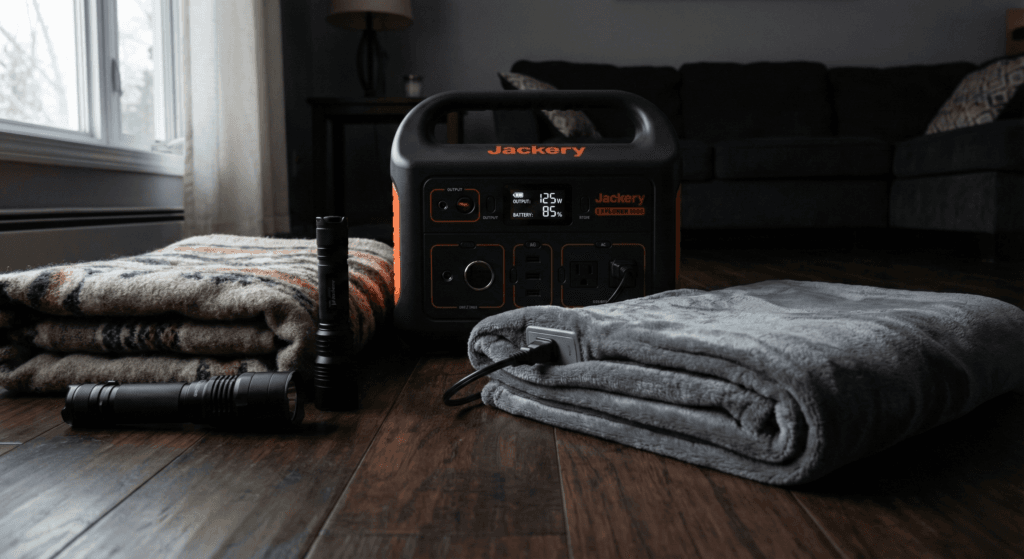
If you want to graduate from the basic Blackout Blueprint to the advanced class, look into:
- Diesel Heaters: Cheap, efficient, requires 12v power.
- Solar Generators: To run electric blankets (inefficient, but possible).
- Passive Solar Design: Modifying your home to capture heat naturally.
Wrapping Up and My Experience
I remember the Texas freeze a few years back. Friends were texting me, panicking because their condo was 45 degrees. Me? I was sitting in my living room tent, wearing merino wool, eating a Snickers bar, and reading a book by the light of a UCO candle. That is the power of the Blackout Blueprint.
It wasn’t magic. It was preparation.
The grid is fragile. According to the EIA (Energy Information Administration), the average duration of power interruptions in the U.S. has been steadily rising over the last decade. It’s not a matter of if, but when. By following this Blackout Blueprint, you are taking control of your safety. Don’t wait until you can see your breath in the kitchen to start planning.
Stay warm, stay smart, and keep your powder dry.
Additional Reads
- Storm Preparedness Checklist for Homeowners
- How to Navigate Without a Compass (Because GPS Dies at the Worst Time)
- 7 Best Compasses for Preppers in 2025 (Reliable Picks You Can Trust)
FAQ: The Blackout Blueprint
Q: How long can a house stay warm without power?
A: It depends on insulation and outside temperature, but typically a well-insulated home will drop to uncomfortable levels within 12 to 24 hours. The Blackout Blueprint slows this heat loss significantly by focusing on heating a single room rather than the whole house.
Q: What is the safest emergency heater for the Blackout Blueprint?
A: The Mr. Heater Buddy series is widely considered the safest for indoor use due to its low-oxygen shutoff sensor, but you must still have a Carbon Monoxide detector and some ventilation.
Q: Can I use my gas oven to heat my house?
A: Absolutely not. Using a gas oven for heat creates a massive Carbon Monoxide risk. It is strictly against the Blackout Blueprint safety protocols.
Q: What room should I choose for my Blackout Blueprint safe room?
A: Choose a small, interior room with few windows, or a south-facing room if you can capture daytime sun. Smaller volumes of air are easier to heat with body warmth.
Q: How do I keep my pipes from freezing during a blackout?
A: If you cannot keep the house above freezing, the Blackout Blueprint recommends shutting off the main water valve and opening all faucets to drain the system so the remaining water has room to expand without bursting the pipe.
The blueprint assumes you have power to allocate. This is how you work out how much you actually have.