


Gear Fails, Skills Don’t (Ask Anyone Who’s Tried Lighting a Fire in the Rain)
We love gear. Shiny, tactical, titanium gear. But when the batteries die, the straps snap, and your “indestructible” flashlight rolls off a cliff, all that cool stuff becomes high-priced litter.
That’s when real survivalists smile — because skills don’t rust, freeze, or fail to charge.
Even basic skills can make the difference in a survival situation, providing essential techniques and knowledge that increase your safety and self-sufficiency when gear lets you down.
If you’re serious about preparedness, your survivalist skillset matters more than your Amazon cart. These ten core survival skills will outlast every piece of kit you’ll ever own — and possibly your sanity.
What Is a Survivalist Skillset?
Think of it as your offline operating system. A survivalist skillset is the combination of knowledge, instinct, and muscle memory that keeps you alive when everything else quits. Basic survival and basic survival skills form the foundation of any survivalist skillset, equipping you with the essential abilities needed to face unexpected challenges. Survival techniques are the practical application of this knowledge, providing step-by-step skills for handling real-world emergencies. Gear helps — but skill is what turns a tarp into a shelter, a stick into a compass, and panic into problem-solving.
According to FEMA’s disaster preparedness guidelines, building a comprehensive survivalist skillset is essential for emergency readiness. The National Park Service also emphasizes that wilderness survival depends more on knowledge than equipment. Essential survival skills, such as navigation and first aid, are critical for emergency situations and can make a significant difference in your ability to stay safe.
So if you’ve been prepping your closet instead of your brain, this is your wake-up call. Having a solid understanding of these skills is crucial for true preparedness. Survival training can greatly increase your ability to respond to emergencies, and understanding your needs as a human being is fundamental to survival.
Why Your Survivalist Skillset Matters More Than Gear
| Aspect | Gear | Survivalist Skillset |
|---|---|---|
| Durability | Breaks, rusts, fails | Permanent once learned |
| Weight | Adds pounds to pack | Zero physical weight |
| Reliability | Battery/weather dependent (see our guide to the best prepper gear in 2025 for reliable options) | Works in any condition |
| Cost | Best solar generators for preppers for recurring purchases | One-time learning investment |
| Adaptability | Limited to design | Infinitely adaptable |
10 Core Survivalist Skills That Outlast Any Gear
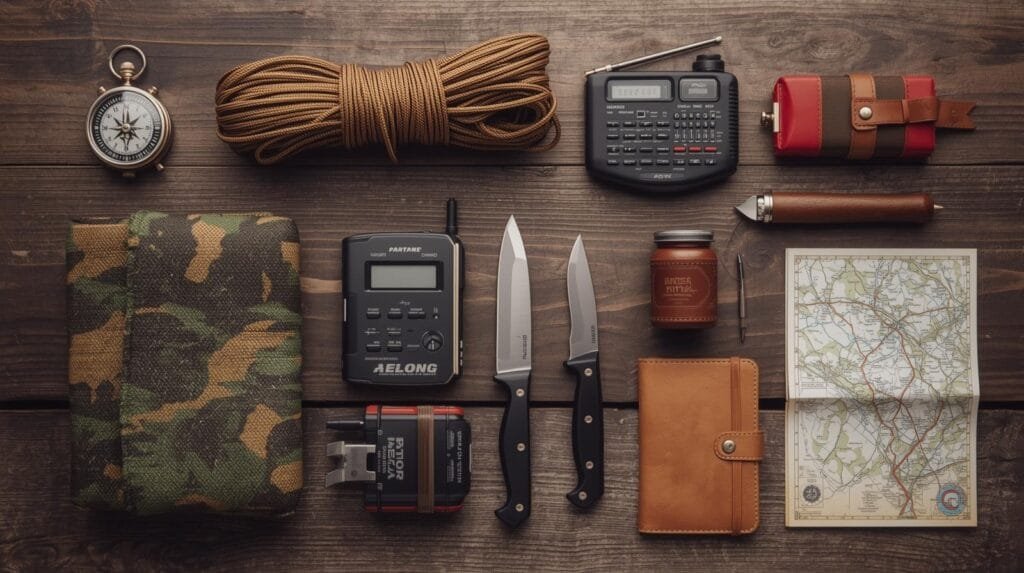
1. Firecraft: Turning Frustration into Flame
A survivalist without fire is just a cold camper with excuses. Mastering firecraft as part of your survivalist skillset means understanding tinder, airflow, and patience — not just carrying a lighter. Making fire using traditional methods is a critical survival skill, especially when modern tools fail. In a wilderness survival situation, fire-making is essential for warmth, water purification, and cooking.
Gear to Know: Ferro rods, magnesium strikers, and Black Beard Fire Starters (because soggy matches are comedy gold, not survival tools). Primitive fire-making tools like the bow drill and hand drill are also essential for starting a fire without modern gear. Of course, true preparedness means not just having the right tools but also building mental resilience and spiritual readiness to stay calm when crisis strikes.
Learn More: Check out REI’s guide to fire building techniques and Outdoor Life’s fire starting methods. Practice survival skills by regularly building a fire with different methods, including primitive techniques, to ensure you’re prepared for any situation.
Field Note:“If your lighter’s dead, congratulations — you’re about to find out how patient you really are.”
2. Water Procurement & Purification: From Mud Puddle to Morning Coffee
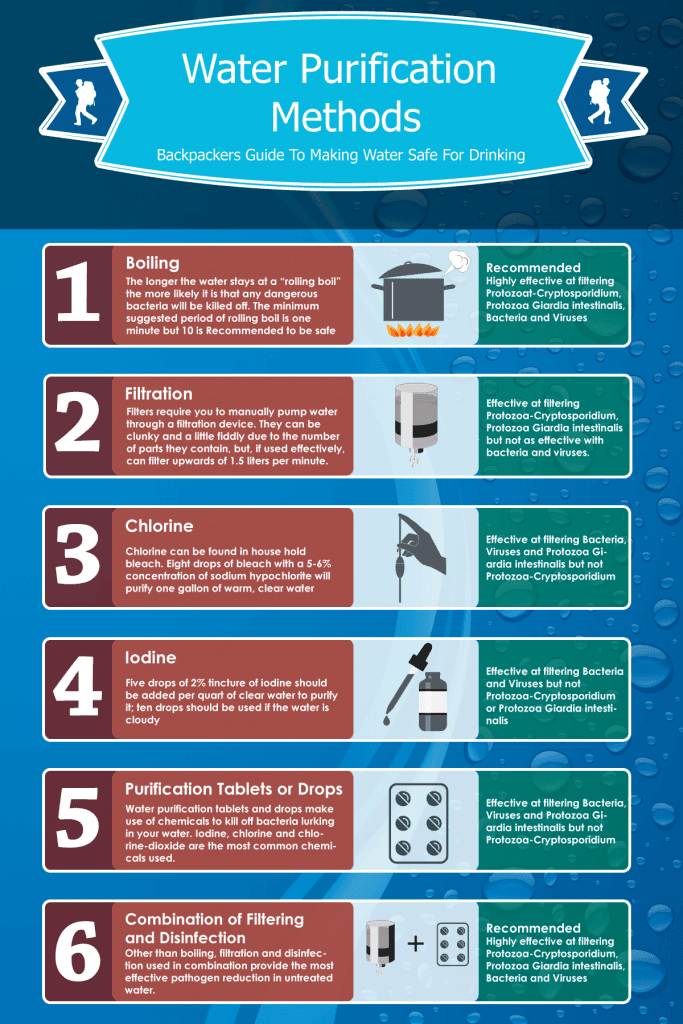
You can last weeks without food — but just days without clean water. Water procurement is a critical component of any survivalist skillset. Learn to find it, filter it, and boil it safely. Always remember to purify water from natural sources to ensure it is safe to drink.
Gear to Know: LifeStraw or Sawyer Mini filters, purification tablets, collapsible bottles, and that old-fashioned pot you forgot about. Water filtration devices are a key component of wilderness survival gear, so make sure you have the means to create potable water in any environment.
Learn More: The CDC’s water treatment guidelines and EPA’s water safety information provide excellent resources for building this essential part of your survivalist skillset.
Field Note:“If it looks clean, it probably isn’t. If it smells clean, it definitely isn’t.”
Water Purification Methods Comparison
3. Shelter Building: The Art of Not Freezing to Death
Mother Nature doesn’t care how tough you think you are. Shelter construction is a foundational survivalist skillset that keeps you alive — whether it’s a tarp lean-to, debris hut, or quick-rigged paracord setup. A well-built shelter helps retain body heat and maintain your body temperature, which is critical in cold weather. In any survival situation, shelter is often your first priority to ensure protection and increase your chances of survival. In emergency situations, a makeshift shelter provides immediate protection from natural elements such as wind, rain, and snow.
Gear to Know: 10×10 tarp, Titan Survival Cord, thermal blanket, and a folding saw.
Learn More:The Boy Scouts of America wilderness survival merit badge includes excellent shelter building fundamentals, and Backpacker Magazine’s shelter techniques are invaluable for developing your survivalist skillset.
Field Note:“There are two kinds of people in a storm: those who built shelter early and those who regret it loudly.”
Shelter Priority by Climate Conditions
| Climate | Primary Threat | Shelter Priority | Build Time |
|---|---|---|---|
| Cold/Wet | Hypothermia | High (Immediate) | 30-60 min |
| Hot/Dry | Dehydration/Exposure | Medium | 20-40 min |
| Temperate | Weather changes | Medium | 30-45 min |
| Extreme Cold | Frostbite/Death | Critical (First action) | 45-90 min |
4. Navigation Without GPS: Because Batteries Lie
When your phone dies, Google Maps becomes a paperweight. Every survivalist skillset should include the ability to read a topo map, use a compass, and orient themselves by sun and stars.
Gear to Know: Suunto MC-2 Compass, Garmin Instinct watch (for when tech works), and USGS topographic maps.
Learn More: The US Geological Survey offers free topographic maps, while REI’s navigation courses can significantly enhance your survivalist skillset. Understanding environmental cues, such as moss growth, water flow, and sun position, is also crucial—especially since these natural indicators can differ in the northern hemisphere.
Internal Link: How to Navigate Without a Compass: Old-School Skills Every Prepper Should Know
Field Note:“Lost is just a state of mind — right before panic sets in.”
5. First Aid & Field Medicine: Duct Tape and Know-How Save Lives
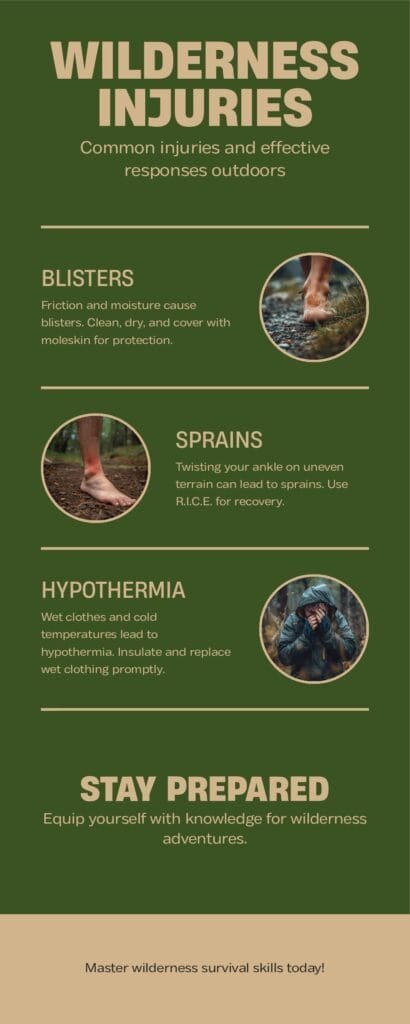
Cuts, sprains, burns — the wilderness doesn’t do first aid for you. Medical knowledge is perhaps the most critical aspect of your survivalist skillset. First aid skills are vital in the aftermath of a natural disaster when professional help may be delayed. Having basic first aid and first aid skills is essential for treating common injuries and providing initial care when professional help is unavailable. Learn to treat injuries before they escalate. Take a real first aid class, not just watch YouTube.
Gear to Know: My Medic MyFAK, Adventure Medical Kits, and yes, duct tape. Always include a comprehensive aid kit and first aid kit in your gear for emergency preparedness.
Learn More:The American Red Cross offers comprehensive first aid training that should be part of every survivalist skillset. Make sure to learn how to treat insect stings as part of your first aid preparation. The Wilderness Medical Society provides advanced wilderness medicine education. It’s also crucial to learn how to handle emergencies and stay calm during medical crises.
Field Note:“If your first aid kit’s still in plastic wrap, so are your survival chances.”
Common Wilderness Injuries & Response
6. Foraging & Food Procurement: Eating Without Uber Eats
When your rations run out, knowledge becomes calories. Food procurement skills are an essential part of any comprehensive survivalist skillset. Foraging and food procurement are key wilderness survival skills, vital for both short-term emergencies and long-term survival in remote environments. Learn to identify edible plants, set small traps, and rig simple fishing setups. Identifying edible plants is crucial for safe foraging, while recognizing medicinal plants can provide natural remedies for health issues. It’s also important to store food for long-term survival and to understand how to utilize natural resources for both food and water. Always cook food to ensure safety and maximize nutrition.
Gear to Know: Wire snares, fishing line, and a good field guide like Edible Wild Plants by John Kallas.
Learn More:The USDA Plants Database helps identify native species, and Outdoor Life’s foraging guide provides practical knowledge for your survivalist skillset.
Field Note:“If you can’t ID it, don’t eat it. Unless you like hallucinating through the night.”
Survival Food Sources Priority
| Food Source | Energy Return | Difficulty | Risk Level | Recommended for Beginners |
|---|---|---|---|---|
| Wild Edible Plants | Medium | Low-Medium | Low (if properly ID’d) | Yes |
| Fishing | High | Medium | Low | Yes |
| Small Game Trapping | Very High | High | Medium | No |
| Insects | Medium | Low | Low | Yes |
| Large Game Hunting | Very High | Very High | High | No |
7. Situational Awareness: Your Built-In Early Warning System
This isn’t paranoia; it’s perception. Situational awareness is the foundation of any survivalist skillset. Awareness keeps you from walking into ambushes, snake pits, or Karen at the trailhead.
Practice scanning your environment, reading body language, and noticing what doesn’t fit.
Learn More: The Department of Homeland Security’s situational awareness resources and Psychology Today’s articles on awareness can help you develop this crucial survivalist skillset.
Field Note: “The best fight is the one you avoided because you actually paid attention.”
8. Self-Defense & Tool Use: Brains Before Blades
Yes, knives are cool. But skill trumps steel. Self-defense expertise is a vital component of your survivalist skillset. Learn how to handle blades safely, improvise weapons, and keep your calm under pressure. Knot tying skills are equally important in survival situations, enabling you to create tools and tackle essential tasks. Tying secure knots is an often overlooked skill, but it is crucial for building shelters and improvising gear.
Gear to Know: ESEE 4 Knife, Gerber Multi-Tool, ASP Baton, a humble walking stick, and a well-assembled wilderness survival kit with versatile tools for self-defense and improvisation.
Learn More:Blade HQ’s knife skills tutorials and safety courses from organizations like Krav Maga Worldwide can strengthen your survivalist skillset.
Field Note:“If you pull a knife you can’t use, it’s just expensive jewelry.”
9. Psychological Resilience: The Mind Is the First to Break
Survival isn’t just physical — it’s emotional endurance under stress. Mental fortitude is perhaps the most underrated aspect of a complete survivalist skillset. Your mindset determines whether you freeze, adapt, or lead. Learning to remain calm under pressure is essential for making logical decisions and avoiding panic. Psychological resilience can save your life in critical situations. Train discomfort regularly: cold showers, night hikes, and time away from screens.
Learn More: The American Psychological Association’s resilience resources and Navy SEAL mental toughness techniques provide insight into building this critical survivalist skillset.
Field Note:“Comfort is the enemy of capability.”
Mental Resilience Training Program
| Week | Exercise | Duration | Survivalist Skillset Development |
|---|---|---|---|
| 1-2 | Cold showers | 5 min daily | Temperature tolerance |
| 3-4 | Fasting (intermittent) | 16 hours | Hunger management |
| 5-6 | Night navigation | Spend 2 hours weekly practicing land navigation basics with a map and compass to improve your hiking and survival skills. | Fear control |
| 7-8 | Isolation practice | 24 hours | Self-reliance |
| 9-10 | Stress inoculation | Varied | Decision-making under pressure |
10. Community & Communication: Because Lone Wolves Starve
No one survives forever alone. Community building is the often-forgotten aspect of a robust survivalist skillset. Build relationships with like-minded preppers, neighbors, and HAM radio nerds. Share skills, gear, and chili recipes. Signaling to attract attention is one of the important survival skills for rescue and communication.
Gear to Know: Baofeng UV-5R radio, Midland GMRS kit, a notepad — because sometimes pen and paper outlast satellites, and signaling devices like whistles and mirrors to attract attention in emergencies.
Learn More: The American Radio Relay League offers HAM radio licensing and training that can enhance your communication survivalist skillset. CERT (Community Emergency Response Team) training builds community preparedness skills.
Field Note:“ Strong networks build stronger survivors.”
Key Takeaways & Next Steps
Your gear is temporary. Your survivalist skillset is permanent. The survivalist who can improvise, adapt, and problem-solve will always outlast the one with the biggest bug-out bag.
Start small: pick one skill each month and master it. Go beyond “owning” gear — learn to own the knowledge behind it. Your survivalist skillset should be diverse, practiced, and constantly evolving.
Survivalist Skillset Proficiency Checklist
| Skill | Beginner | Intermediate | Advanced | Expert |
|---|---|---|---|---|
| Firecraft | Light fire with lighter | Light fire with ferro rod | Light fire in wet conditions | Light fire with primitive methods |
| Water Purification | Boil water | Use filters & tablets | Identify water sources | Build improvised filters |
| Shelter Building | Set up tarp shelter | Build debris hut | Adapt to any terrain | Teach others |
| Navigation | Use GPS | Read compass & map | Navigate by sun/stars | Navigate in zero visibility |
| First Aid | Basic cuts/burns | Splinting/wound care | Field medicine | Emergency surgery basics |
| Foraging | Identify 5 plants | Identify 20+ plants | Hunt/trap small game | Year-round food security |
| Situational Awareness | Notice obvious threats | Read body language | Threat assessment | Predict situations |
| Self-Defense | Basic strikes | Tool proficiency | Multiple scenarios can challenge our peace of mind, but choosing faith over fear can help us trust God during uncertain times. | Teach & lead |
| Psychological Resilience | Handle mild stress | Manage fear | Lead under pressure | Thrive in chaos |
| Community Building | Know neighbors | Active in groups | Lead training sessions | Build networks |
FAQs About Survivalist Skills
Q: What’s the hardest survival skill to master?A: Psychological resilience — because you can’t buy it online. Mental toughness is the survivalist skillset component that requires the most consistent training and real-world application.
Q: Can I practice these skills at home?A: Absolutely. Build a tarp shelter in your yard, filter dirty water, or cook over an open flame in a controlled space. Developing your survivalist skillset doesn’t require wilderness expeditions.
Q: How do I know I’m improving?A: When you stop panicking and start adapting. Your survivalist skillset is improving when skills become automatic under stress. Survival isn’t perfection; it’s progression.
Q: How long does it take to develop a complete survivalist skillset?A: Most people can achieve basic proficiency in 6-12 months with regular practice. However, truly mastering your survivalist skillset is a lifelong journey. The key is consistent practice and real-world application.
Q: Should I focus on gear or skills first?A: Always skills first. Your survivalist skillset will help you use gear effectively and improvise when gear fails. Start with knowledge, then invest in quality tools that support what you’ve learned.
Q: What’s the single most important survivalist skill?A: If we had to choose one core component of the survivalist skillset, it would be psychological resilience. Mental toughness keeps you functioning when everything goes wrong, allowing you to apply all your other skills effectively.
Q: What should I include in a survival kit?A: A survival kit should contain essential items such as water purification tools, first aid supplies, fire-starting materials, a knife, signaling devices, and emergency food. Tailor your kit to your environment and personal needs.
Conclusion: Your Survivalist Skillset Is Your Greatest Asset
Remember, every expert survivalist started as a beginner. The difference between those who thrive in emergencies and those who panic isn’t luck — it’s their survivalist skillset. These ten core skills form the foundation of true preparedness.
Don’t just collect gear. Collect knowledge. Practice regularly. Test yourself in controlled conditions. With a strong survivalist skillset, you’ll be prepared to handle a wide range of wilderness survival situations, from navigation and shelter-building to staying safe from exposure. Build your survivalist skillset one skill at a time, and you’ll develop the confidence and capability to handle whatever challenges come your way.
Your survivalist skillset is the most valuable prep you’ll ever own — and unlike gear, it can never be lost, stolen, or broken.
Affiliate Disclosure
Heads-Up, Fellow Preppers:
Some links in this post are sponsored or affiliate links. If you click and buy, I may earn a small commission — enough to restock my peanut butter and maybe add one more ferro rod to the stash. I only recommend gear I’d be willing to stake a trip on — chosen on specs, owner reports, and hands-on experience where I have it.