

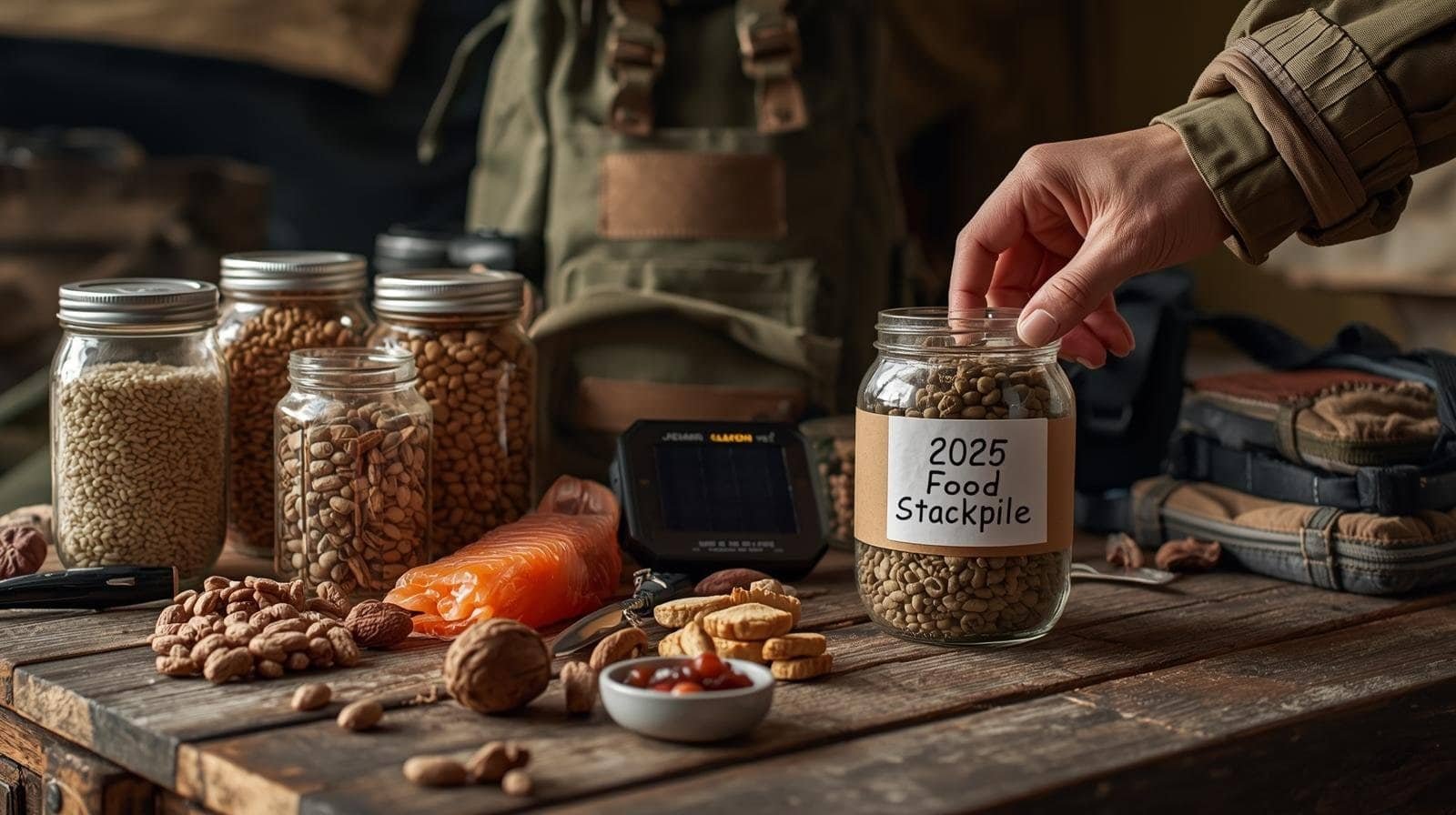

You can survive on Spam and instant noodles. You just won’t like yourself afterward. When disaster strikes, many preppers focus solely on stockpiling calories rather than nutrition. But here’s the harsh truth: surviving on junk food for months can damage your health faster than the crisis itself. Your immune system weakens, your energy plummets, and suddenly, you’re the crankiest person in camp.
Healthy eating for preppers isn’t about kale smoothies in the apocalypse. It’s about fueling your body for endurance, sharp focus, and rapid recovery—so you’re not the first one to tap out when life gets hard. Let’s fix that food stash before it turns into a regret buffet.
What Is Healthy Eating for Preppers?
Healthy eating for preppers means planning your food storage with a focus on nutrition, longevity, and performance—not just convenience. Your goal isn’t to stockpile fancy meals but to build a system that feeds you well today and still works years from now.
According to the USDA’s MyPlate guidelines, balanced nutrition requires attention to all food groups—a principle that applies just as much to emergency preparedness as to daily life. This means balancing macronutrients such as proteins for muscle repair, healthy fats for sustained energy, and complex carbohydrates for stamina. Micronutrients like vitamins and minerals are essential to keep your immune system and brain functioning at their best.
Digestibility is another important factor; you want foods that don’t leave you feeling bloated or uncomfortable. And morale matters too—taste counts. A happy stomach makes a calmer prepper, so don’t underestimate the power of flavor.
Healthy eating isn’t complicated, but it takes more thought than just “buy rice and beans.” It’s about choosing nutrient-rich foods that support your body and mind through the toughest situations.
Why Healthy Eating Actually Matters
Let’s get brutally honest: malnourished people make poor decisions. In stressful situations, your brain needs glucose and essential fats to stay sharp. Your muscles require protein to repair damage, and your immune system depends on vitamins and minerals to fight off illness.
The Centers for Disease Control and Prevention (CDC) emphasizes that proper nutrition is fundamental to maintaining immune function and overall health, especially during times of stress. When you neglect healthy eating, you’re not “toughing it out”—you’re sabotaging yourself.
Ignoring nutrition leads to constant fatigue from empty carbs, brain fog, slower reaction times, weakened immunity, slower wound healing, and cranky moods that can turn teamwork into conflict. Research from the National Institutes of Health shows that heavily processed foods negatively impact cognitive function and energy levels. Your body is your most important survival tool, and it deserves better than sodium-packed regret meals.
Stockpiling Smart: Nutritious Foods That Last
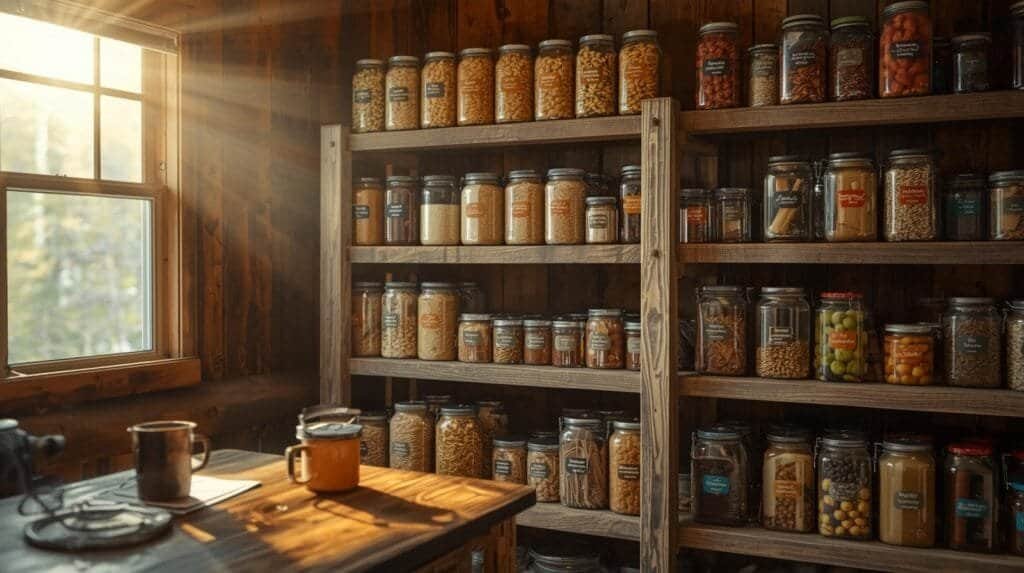
Now, let’s get tactical. You can absolutely build a healthy, long-lasting prepper pantry without sacrificing flavor or nutrition.
1. Protein Powerhouses
Protein isn’t optional—it’s your body’s repair kit. The Harvard T.H. Chan School of Public Health recommends diverse protein sources for optimal health. Stock up on canned tuna, salmon, and chicken, which provide convenient, shelf stable proteins. Freeze dried meats and eggs are excellent for long term food storage, retaining nutritional value and taste.
Plant-based proteins like lentils, black beans, and chickpeas add fiber and variety. Peanut butter is a morale booster in a jar, rich in healthy fats and protein. Powdered protein shakes offer quick nutrition when you need it most.
Prep Tip: Repackage bulk proteins into Mylar bags with oxygen absorbers for 10+ years of freshness, ensuring your protein sources remain viable for emergencies.
2. Complex Carbs for Stamina
Forget instant noodles. Healthy eating requires slow-burning carbohydrates that keep you fueled longer. The American Heart Association explains that complex carbohydrates provide sustained energy compared to simple sugars.
Stock items like rolled oats, brown rice, quinoa, whole-grain pasta, dehydrated potatoes, buckwheat, and barley. These whole grains and root vegetables such as sweet potatoes and winter squash offer fiber and essential nutrients.
Pro Move: Store grains in sealed food-grade buckets with oxygen absorbers. Rotate yearly to maintain freshness and ensure your healthy eating plan stays on track.
3. Healthy Fats That Don’t Spoil Fast
Fat equals energy—but not all fats are bunker-friendly. The Mayo Clinic advises choosing fats that support cardiovascular health and sustained energy.
Good choices include coconut oil, which has a long shelf life; olive oil, which should be rotated every 12 months; canned salmon and sardines, rich in omega-3 fatty acids; and nuts and seeds stored in vacuum-sealed bags.
These fats not only provide essential calories but also support brain function and immune health.
4. Fruits & Veggies That Last (Really)
You don’t need a garden to eat like you have one. Healthy eating for preppers absolutely includes fruits and vegetables—it just requires proper preservation.
The Academy of Nutrition and Dietetics emphasizes that fruits and vegetables are vital sources of vitamins, minerals, and fiber that support immune function. Stock up on freeze dried fruits like blueberries, strawberries, and apples, which retain flavor and nutrients. Dehydrated vegetables such as carrots, peas, and bell peppers add variety and color to meals.
Canned options like tomato paste, canned spinach, and sauerkraut provide vitamin C and probiotics. Powdered greens can be added to soups or smoothies for an extra nutrient boost.
Pro Tip: A scoop of powdered greens in broth turns boring soup into real nutrition, keeping your healthy eating goals intact even in crisis mode.
5. Superfoods & Supplements
The apocalypse doesn’t excuse scurvy. Healthy eating sometimes requires supplementation, especially when fresh foods are limited.
Keep multivitamins as a cheap insurance policy to fill nutritional gaps. Electrolyte powders help maintain hydration and mineral balance. The National Center for Complementary and Integrative Health provides evidence-based information on when supplements can fill nutritional gaps. Instant coffee boosts morale, and shelf-stable almond milk or protein powders add variety. Honey offers a forever shelf life, natural sweetness, and antibacterial properties.
Food Storage Methods: Keeping Your Healthy Eating Supplies Fresh for Years
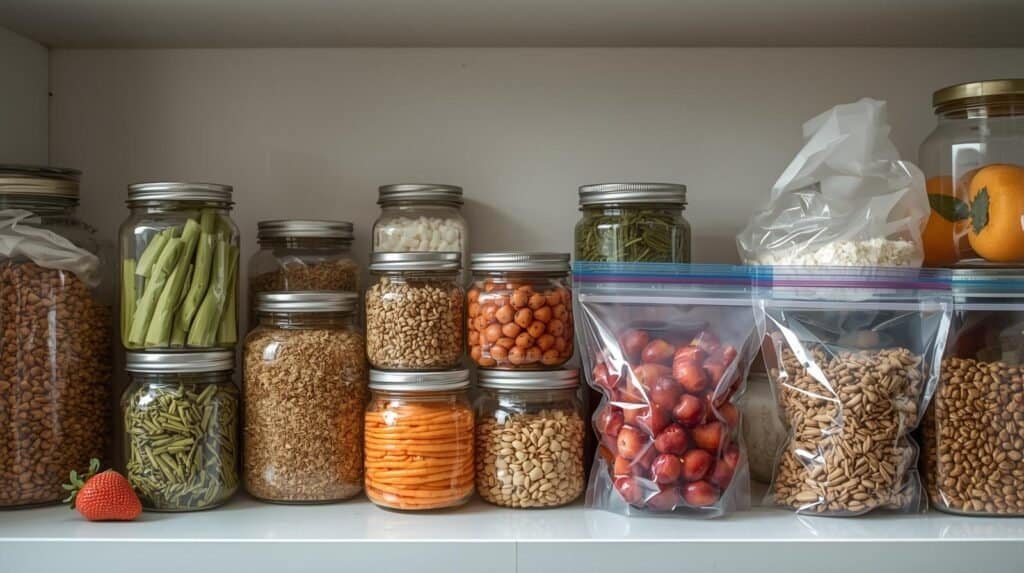
You’ve invested in quality food—now let’s ensure it actually lasts. Proper storage is the difference between nutritious meals and expensive compost. Healthy eating for preppers requires understanding how to preserve food quality over time.
Understanding Shelf Life and Storage Conditions
Temperature, moisture, light, and oxygen are the four horsemen of food spoilage. Controlling these factors helps your healthy eating stockpile outlast most disasters.
Keep it cool: For every 10°F increase in temperature, food shelf life halves. Ideal storage is 50-70°F. Basements are great; attics are food graveyards.
Keep it dark: Light degrades vitamins and causes fats to go rancid. Use opaque containers or dark storage spaces.
Keep it dry: Moisture invites mold, bacteria, and insects. Use desiccants and avoid damp locations.
Keep out oxygen: Oxygen causes oxidation, destroying nutrients and freshness. Use oxygen absorbers and vacuum sealing.
Mylar Bags and Oxygen Absorbers: The Dynamic Duo
Mylar bags create a barrier against light and moisture, while oxygen absorbers remove air that causes spoilage. This combo is the gold standard for long-term food storage.
Fill food-grade Mylar bags about 80% full with dried goods—brown rice, beans, oats, freeze dried foods—then add the correct size oxygen absorber. Seal with a hot iron or hair straightener. Properly done, this extends the shelf life of dried foods to 20-30 years, preserving food quality and nutritional value.
Food-Grade Buckets: Your Bulk Storage Solution
Five-gallon food-grade buckets marked with recycling symbol #2 (HDPE) or #5 (PP) are safe for food storage. The FDA provides guidelines on food-safe plastics and containers. Line buckets with Mylar bags for maximum protection, label contents and dates, and store off damp floors using pallets.
Rotate supplies regularly to maintain optimum quality and ensure your healthy eating plan remains effective.
Vacuum Sealing for Medium-Term Storage
Vacuum sealers remove air from bags, extending shelf life for nuts, seeds, dried fruits, and coffee. Freeze items like nuts before sealing to eliminate insect eggs. Avoid vacuum sealing foods with sharp edges that could puncture bags.
Label sealed bags with contents and dates, and store in cool, dark places. Vacuum sealing typically doubles or triples shelf life, preserving nutrient-rich foods for your emergency supply.
Canning: Traditional Preservation That Still Works
Home canning allows you to preserve meals, soups, and vegetables with full control over ingredients. Pressure canning handles low-acid foods like ground beef and vegetables, while water bath canning works for high-acid foods like canned fruits and pickles.
Always use tested recipes from reliable sources like the National Center for Home Food Preservation. Follow processing times exactly and inspect jars before use.
Properly canned foods last 1-3 years and provide meal-ready nutrition that requires only heating—perfect for healthy meals during emergencies.
Freeze-Drying: The Premium Preservation Method
Freeze-drying removes 98% of moisture while preserving nutrients, flavor, and structure better than other methods. Although home freeze-dryers are costly, they offer superior healthy eating options.
Freeze-dry fruits and vegetables, fully cooked meals, and even dairy products like powdered milk. Freeze dried fruits and freeze dried foods stored properly can last 25+ years, making them ideal for long term food storage and bug-out bags. Oregon State University Extension provides comprehensive guides on various food preservation methods including freeze-drying.
Monitoring and Maintaining Your Food Storage
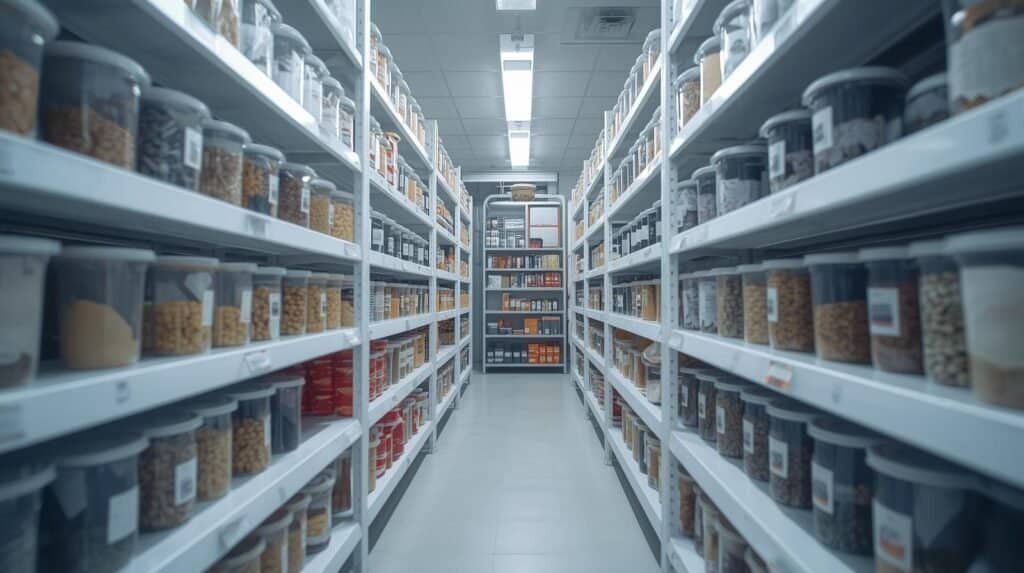
Having a great stockpile means nothing if you don’t maintain it properly. Healthy eating for preppers requires active management, not just passive accumulation.
The Quarterly Inspection Routine
Every three months, inspect your food storage for pest infestations, moisture damage, rust, or bulging containers. Verify stable temperatures and rotate foods based on expiration dates.
This simple routine prevents waste and ensures your emergency food supply remains safe and nutritious.
The FIFO System: First In, First Out
Organize storage so older items are in front and newer ones in back. Always use the oldest items first, replacing them during your next shopping trip. Label purchase dates clearly.
This system guarantees you eat your stored food before it expires, integrating your emergency supply into regular meals and supporting healthy eating habits.
Creating a Food Storage Inventory
Maintain a spreadsheet or notebook tracking what you have, where it’s stored, purchase dates, and expiration. Update it whenever you add or remove items, and share it with family members.
An inventory prevents overbuying and ensures balanced nutrition by knowing exactly what foods and nutrients you have on hand.
Temperature Monitoring Matters
Place a thermometer in your storage area and check temperatures monthly. If temps exceed 75°F regularly, find a cooler location or add insulation.
Temperature control is the single most important factor in food longevity. Healthy eating supplies stored at 70°F last twice as long as those stored at 80°F.
Meal Planning for Survival: Fuel That Feeds and Heals
Healthy eating for preppers isn’t just about storage—it’s about rotation and daily use. Ready.gov recommends practicing with your emergency food supply before you actually need it.
Eat What You Store, Store What You Eat. Rotate supplies by eating from your stash regularly to avoid surprises when the power’s out.
Use 3-Day Meal Kits. Pre-make kits with protein, carbs, and veggies for three full meals. Label by calorie and expiration to simplify meal prep during emergencies.
Batch Cook & Dehydrate. Prepare soups, chili, or stews, then dehydrate and vacuum-seal them. They rehydrate quickly and retain flavor. The USDA’s guide to home food preservation offers safety tips for dehydrating foods.
Plan for Flavor. Spices like salt, garlic powder, chili flakes, and curry powder transform bland canned foods into satisfying meals. Healthy eating doesn’t have to mean tasteless eating.
Simple, Healthy Prepper Meals That Actually Taste Good
Even in survival mode, you can cook better than gas station fast food. Here are some recipes that prove healthy eating is possible with shelf stable ingredients:
Power Oatmeal (Breakfast): Rolled oats + powdered milk + honey + freeze-dried fruit create a 10-minute powerhouse breakfast rich in whole grains, protein, and fruit.
Trail Chili (Lunch/Dinner): Beans + ground beef or lentils + dehydrated tomatoes + chili powder make a filling, high-protein, morale-lifting meal. The American Institute for Cancer Research highlights beans as nutritional superstars packed with fiber and protein.
Tuna Rice Bowl (Dinner): Canned tuna + brown rice + olive oil + salt + pepper + powdered greens combine into a survival sushi bowl that’s simple and nutritious.
Emergency Pasta Primavera: Whole grain pasta + olive oil + dehydrated vegetables + canned chicken + Italian seasoning offers comfort food that supports your healthy eating commitment.
Key Considerations
Shelf Life and Rotation
Label everything and rotate every 6–12 months using the first in, first out system. The USDA FoodKeeper App can help track storage times for various foods, ensuring your healthy eating supplies stay fresh.
Caloric Needs in Emergencies
During crises, calorie needs may increase. The National Academies of Sciences provides guidelines on daily nutritional requirements. Healthy eating in survival mode means adjusting portion sizes while maintaining a well balanced meal.
Mental Health Foods
Chocolate, coffee, and comfort snacks like granola bars and protein bars boost morale. A happy mind makes better decisions, so don’t underestimate the psychological benefits of familiar flavors. Psychology Today discusses how stress affects eating behaviors and the importance of comfort foods in crisis situations.
Water: The Foundation of Healthy Eating
You can’t have healthy eating without adequate hydration. The CDC’s water guidelines recommend storing at least one gallon of water per person per day for drinking and food preparation.
Sustainable Nutrition
Grow sprouts indoors, learn to can, and supplement with wild edibles. The National Center for Home Food Preservation offers tested recipes and methods. Healthy eating is an evolving practice that adapts to your skills and circumstances. The Spruce Eats provides beginner-friendly guides for growing nutritious sprouts indoors year-round.
Food Allergies and Dietary Restrictions
Healthy eating for preppers must account for individual needs. If you or family members have food allergies or dietary restrictions, resources like Food Allergy Research & Education (FARE) provide guidance for managing these challenges during emergencies.
Wrapping Up & My Experience
I’ve eaten enough MREs to know that “calories” and “food” aren’t always the same thing. When I rebuilt my own food storage around nutrition—lean proteins, smart carbs, and healthy fats—I noticed something remarkable: I felt better now, not just “if disaster hits.”
Healthy eating for preppers shouldn’t feel like punishment. It’s an investment in resilience—in your body, your brain, and your family’s strength. The principles of healthy eating apply whether you’re facing a natural disaster or simply trying to live better daily.
So don’t just prepare to survive. Prepare to thrive with healthy eating habits that serve you in any situation.
Additional Resources for Healthy Eating in Emergency Preparedness:
- ChooseMyPlate.gov – USDA nutrition guidance
- Nutrition.gov – Federal nutrition information
- Emergency Food Supply Calculator – FEMA planning tools
- Extension Disaster Education Network – Research-based emergency preparedness information
- American Red Cross Emergency Preparedness – Comprehensive emergency supply lists
- USDA Food Safety and Inspection Service – Guidelines for safe food handling and storage
Remember: healthy eating for preppers is about creating a sustainable, nutritious food system that works for the long haul. Start today, and your future self will thank you.